Big Tech Is Spending Huge Sums on AI, and Investors Are Getting Nervous
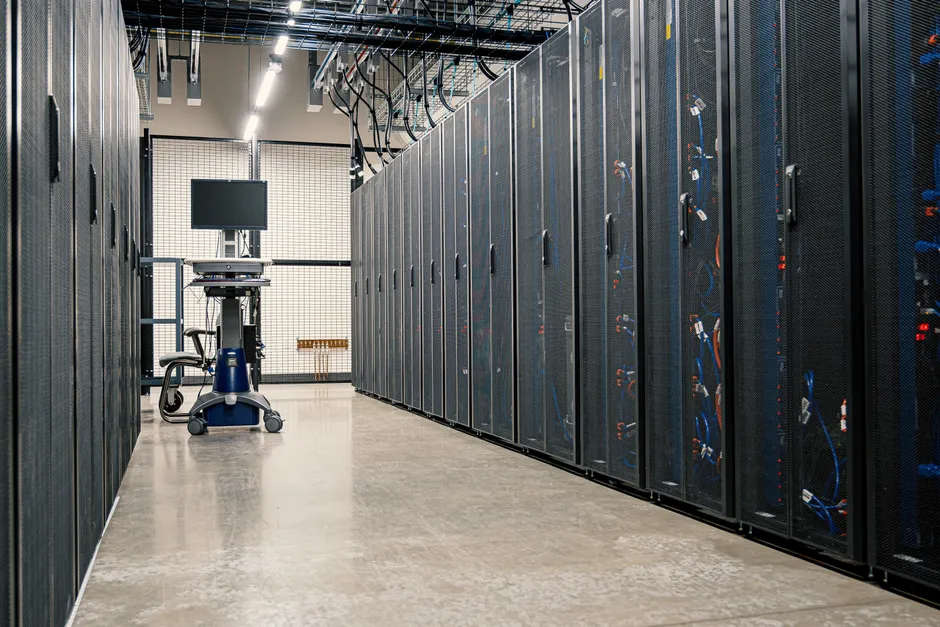
Alphabet, Amazon, Meta and Microsoft have outlined plans to spend more than $740 billion on capital expenditures in 2026. Capital expenditures, or "capex," are long-term investments in buildings and equipment, such as data centers and the chips that power AI. On Friday, October 30, the Nasdaq fell 2.9% amid worry about that spending. A Reuters report on the session put the index's October losses at $2 trillion.
The spending figures are the core of the story. TechCrunch reported that Alphabet expects to spend up to $205 billion on capex in 2026, and expects spending to keep rising in 2027. It spent $51.4 billion in the third quarter alone.
Amazon expects $220 billion in 2026. Meta narrowed its expected 2026 range to $135-145 billion in its October 21 third-quarter release, a figure that also counts certain lease payments. Microsoft expects about $170 billion for the calendar year, down from its earlier outlook because of delays, according to Business Insider. That outlook, which also includes SpaceX, puts the combined 2026 figure at up to $828 billion.
The strain shows up most clearly in free cash flow. This is the cash a company has left after paying its running costs and its investments. Think of it as the money a household has left after rent and repairs. When that number turns negative, the company is spending more than it brings in.
Alphabet reported negative free cash flow of $9.1 billion in the third quarter, its second straight quarterly deficit. Meta posted negative $2.1 billion in the same period. Amazon reported negative $42.4 billion over the prior twelve months, compared with positive $14.8 billion the year before.
Microsoft was the exception. It reported $18.6 billion of positive free cash flow in its latest quarter, and its capex was $45.2 billion, compared with $50 billion projected.
Revenue tells a more mixed story. Microsoft reported quarterly revenue of $92.3 billion on October 28, up 19% from a year earlier. It was the company's tenth straight quarter of record revenue. Amazon's AWS cloud unit grew 39% in the quarter reported October 29. Meta's ad revenue grew 26%.
Google's Search business, which brings in roughly half of Alphabet's revenue, grew 12% in the third quarter. That was its slowest pace in five quarters.
Markets reacted sharply. Alphabet fell 12% on October 29, its worst single day on record, erasing $500 billion in market value. Amazon shares fell 7% after earnings. Meta's stock dropped 10% that same week, despite its ad growth.
On October 30, Nvidia dropped 4%, Broadcom fell more than 5%, and Qualcomm fell 11%. CNBC reported that AI stocks sold off as investors questioned the returns on AI spending. Investors said they needed to see AI profits showing up.
The build-out is also being paid for with borrowed money. Global AI infrastructure debt sales totaled about $450 billion so far in 2026, according to a Bloomberg report from October 12. Gartner, in an estimate cited by Bloomberg on October 25, said more than $3.5 trillion of AI infrastructure spending could be at risk of impairment by 2030. An impairment is a write-down: an asset is worth less than the company paid for it.
For people who work in the industry, the numbers show a change in how the biggest tech companies pay for their infrastructure. For most of the cloud era, the cash coming in from operations covered the buildouts with room to spare. Now the largest spenders are running negative free cash flow, borrowing in financial markets, and tying their next-year plans to rising spending on chips, power and data center buildings. Each of those costs is depreciated, meaning written down over time as the equipment ages. Each also depends on how much of the new capacity actually gets used. Those assumptions will only be tested once the capacity comes online.
In my view, the most important question this quarter raises is not whether AI demand exists. The revenue growth at AWS and Microsoft suggests a real base of paying customers. The open question is the return on each new dollar spent: whether new capacity will be filled at prices that justify its cost, and whether the core advertising and search businesses can absorb the cost of the transition without slowing further. Investors have started to price in that uncertainty, and the selloff in chip suppliers suggests the repricing is not limited to the companies doing the spending.
The broader context here is that the same capacity now straining balance sheets will also run the next wave of AI services. That includes tools that answer questions and systems that carry out multistep tasks on their own. Earlier technology cycles, when computing became cheaper and more plentiful, opened markets that nobody could see at the time of the investment. Whether this cycle follows the same path depends less on the headline spending figure than on whether the money earned per unit of computing rises faster than the cost of building it.


