OpenAI May Rename Its Data Centers "Compute Campuses"

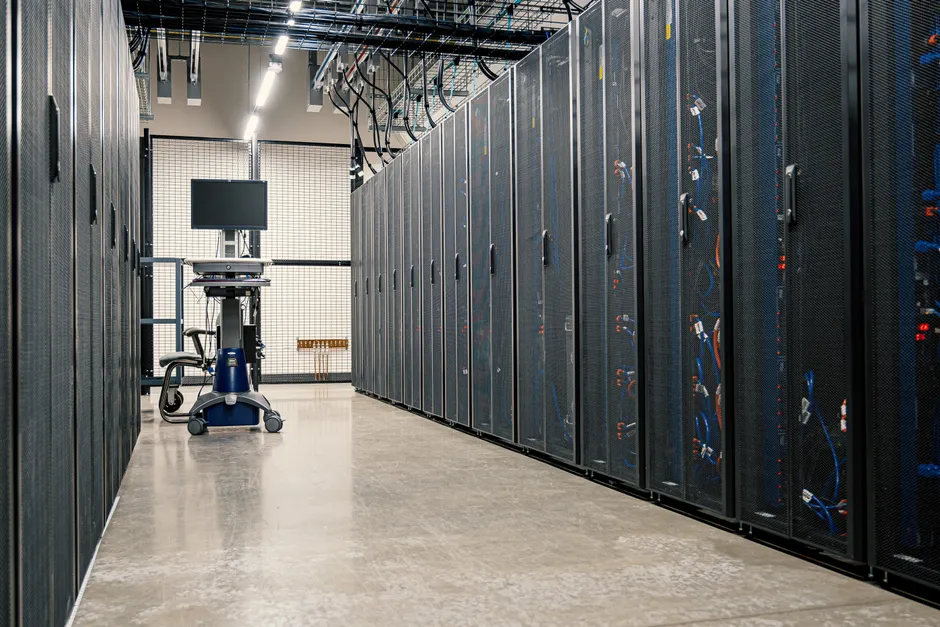
OpenAI is considering calling its data centers "AI compute campuses," according to TechCrunch, which published the report on November 1, 2026. The change is still under consideration. The company has not adopted it as an official name.
The same report says OpenAI is preparing a "PR blitz" for the period after the U.S. midterm elections. The goal is to influence the public debate about AI. This is a planned campaign, and it has not started yet.
Chris Lehane, OpenAI's chief global affairs officer, has called the midterms "a bit of a movie trailer" for 2028. He said he expects AI to be "the" issue in the presidential election that year. In other words, he sees the 2026 races as a preview of a policy fight that he expects to dominate the next national campaign.
On data centers, Lehane described the public conversation as "good and healthy." He also said communities should hold companies responsible and accountable. The goal, in his words, is for data center projects to deliver transformative benefit to the places that host them.
The report also says OpenAI has discussed a set of policy proposals. One is AI "speed limits," which would constrain how quickly the most advanced AI systems are built or released. Another is a push for the U.S. to take a role in developing global AI standards. Both are discussions, not commitments. The report does not explain how either idea would work.
The name is not entirely new. OpenAI says, through its Stargate project, that it is developing and operating large-scale AI compute campuses. That statement appears in a company careers listing for a critical facilities role in San Francisco. The phrase is already part of how the company describes this infrastructure, both internally and to job applicants. What is under consideration is using it as the public name for its data centers.
The broader context here is that a name is a policy tool as well as a marketing choice. A "data center" is a building that houses servers. A "compute campus" is defined by the computing power it delivers, so the focus moves from the building to the work it does. Whether that shift changes how regulators, local officials, and neighbors view a project is an open question. The name alone will not decide the outcome.
In my view, a better test is whether the commitments Lehane describes take concrete form. A name is easy to change. Clear, measurable promises about where the electricity comes from, how the site connects to the power grid, how many local jobs it creates, and how it invests in the community would tell people far more. If those promises are written into agreements that residents can read, the facilities could deliver the local and economic value their supporters describe. In that case, the argument over the name would matter much less.