Apple's iPhone Duo Is Short on Supply, and Buyers May Wait Into Next Year
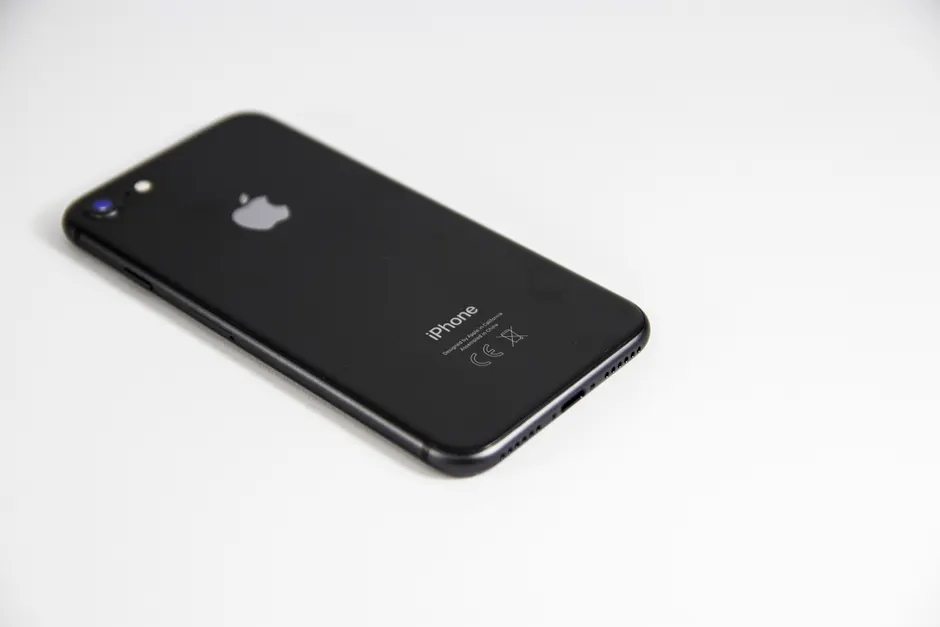
Apple says it cannot yet predict when supply of its iPhone Duo will catch up with demand. Sabih Khan, Apple's chief operating officer, said so on November 2, 2026, during the earnings call for the company's fiscal 2026 fourth quarter. Apple released its quarterly results that same day.
According to TechCrunch's report of the call, Khan said the iPhone Duo was still in short supply on the day of the call. He said the production ramp, meaning the build-up of factory output, is going well. He also said Apple is working hard to get the phone to customers as quickly as it can. Apple CEO John Ternus made a similar point.
For people who did not preorder right away, this has a direct effect. Delivery times now stretch into next year.
The launch was rocky. Bloomberg reported on October 23, 2026 that the phone arrived with long lines and limited stock. Apple's small supply in its stores sold out quickly. The iPhone Duo costs $2,000, far more than Apple's regular iPhones. That makes the shortage a question of who gets a phone first, not only of how many Apple can make.
Apple also launched other hardware that month. The company introduced the 14-inch MacBook Pro with M6 on October 27, 2026. It followed with the all-new MacBook Pro with PROLED XDR Display, which uses tandem OLED technology, on October 28, 2026. Both launches came in the same two weeks as the Duo's store debut. On the call, Khan addressed only the iPhone Duo's supply problem.
Market forecasts add another number. Reuters, citing IDC's forecast, expects Apple to take 44% of the foldable phone market's value in 2026. That is from only 31% of the units sold. "Value" means the money spent, and "units" means the number of phones sold.
The broader context here is the math behind that forecast. A larger share of value than of units means Apple's foldable phones sell for much more on average than other foldables. That fits a $2,000 price. Each phone Apple can make therefore brings in more money. Apple must decide how many to build and how to split them between preorder customers and walk-in shoppers. It is a bit like a bakery with only a few loaves of its most expensive bread. The bakery has to decide who gets one before they sell out.
In my view, the most useful part of the call for anyone planning to buy is what Apple did not offer, which is a ship date. "Hard to predict" is less satisfying than a date. But a date that later slips would frustrate customers and suppliers alike. Buyers who are waiting should expect longer waits, not a quick improvement. The sign to watch is whether delivery times start to shrink for orders placed after the holidays.
Looking further ahead, I think the picture is more encouraging. A phone that sold out on arrival, with a backlog into next year, suggests that a new foldable category can find buyers at a premium price. It also gives Apple a large base of users to build on once supply catches up. Whether the company can close the gap in a predictable way will largely decide the iPhone Duo's first year.


