Why the UK Is Facing an Unprecedented Wildfire Crisis
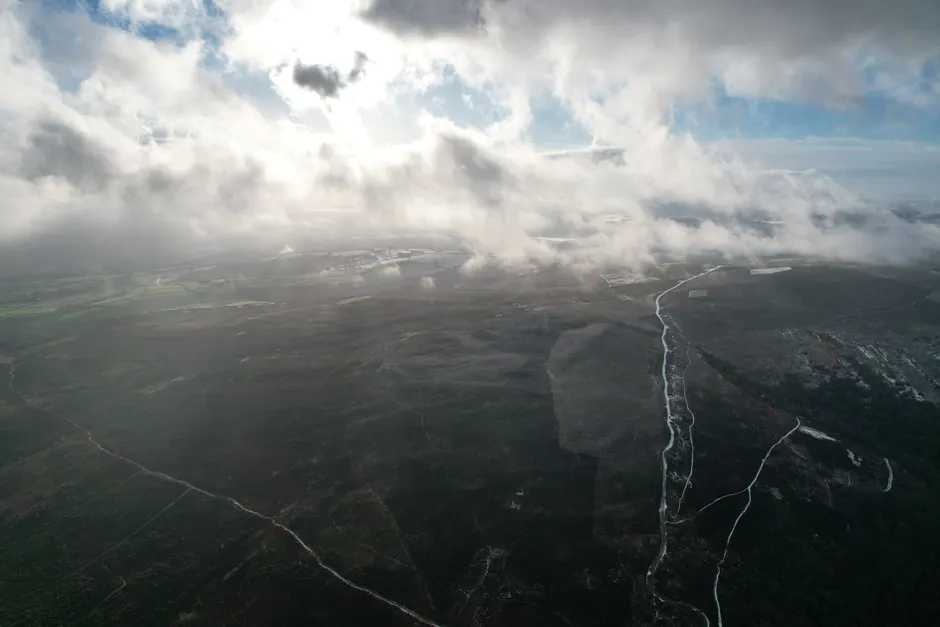
On July 13, 2026, nineteen wildfires burned across the UK at the same time, according to the National Fire Chiefs Council. Residents in Conwy county, north Wales, had to leave their homes as flames swept the Carneddau uplands The Guardian.
Two fire services declared this a major incident — the highest level of emergency response. North Wales Fire and Rescue Service said it was safe for evacuated residents to return home by 5pm. The Derbyshire fire service was still dealing with its major incident at the time The Guardian.
The Carneddau mountains are particularly hard to fight fires on. Local councillor Cathy Augustine called it "very special" but also "really difficult terrain for firefighters" — steep, rocky moorland where teams cannot easily reach the flames. Evacuated residents were initially taken in at a local pub, the Gladstone.
Claire Belcher, who runs the wildFIRE Lab at the University of Exeter, called this outbreak a "firewave" and said it is "the most widespread that the UK has seen." She explained what caused it: wetter winters make plants grow thicker and denser. Then hot, dry summers turn all that vegetation into fuel waiting to burn. Maria Barbosa, a wildfire expert at the UK Centre for Ecology & Hydrology, agreed that climate change is "actively rewriting the vulnerability of the British landscape" The Guardian.
Vikki Thompson, a researcher at the University of Edinburgh who studies extreme weather, described the perfect conditions for fire: "hot, dry, and windy." These three things together — heat, lack of moisture, and wind — create the ideal environment for fires to spread fast and burn hard.
Natural England, which monitors fire risk, called the danger "exceptional" in parts of southern Britain and "very high" across most of England and Wales The Guardian. In the days before July 13, fires broke out in North Yorkshire, County Durham, Greater Manchester, East Sussex, West Sussex, Devon, Somerset, and London. This was not just one area on fire — it was fires across the whole country. The St Albans Review reported fires along railway lines in early July, which happen when extremely hot weather makes sparks from trains and dry plants nearby catch fire St Albans Review.
The fire chiefs have been warning about wildfire danger all summer, not just on one day. On July 13, they warned: "It only takes one spark: Fire Chiefs warn of wildfire risk amid multiple significant wildfires." This came after warnings about the UK's third heatwave and a red heat alert in late June NFCC. Surrey Fire and Rescue Service called the risk "catastrophic" on July 6 Surrey Fire and Rescue Service.
Here is what worries scientists: this is not just one hot summer. If it happens once, that is unusual weather. But if wet winters keep happening, followed by hot, dry summers, that is a pattern — and a sign that things are changing. This matters because fire services have to plan differently. They cannot just get extra firefighters for one hot day. They need to be ready for a longer fire season every year.
The National Fire Chiefs Council is working on new advice about preventing wildfires, with a deadline of July 31, 2026 — but that will come too late to help this year NFCC. They are also holding a conference in September to discuss wildfire planning NFCC.
UK fire teams are also busy helping other countries. They were sent to Venezuela after an earthquake in late June and returned home on July 7. They have also been supporting Ukraine NFCC. These international missions mean fewer firefighters available at home, though fire chiefs have not said this is hurting their response to the current crisis.
Right now, people in north Wales can go back to their homes, but Derbyshire is still under emergency status. The fire risk across most of England and Wales remains very high. Scientists are watching to see if this is just an unusually bad summer or the start of a new normal.


