Google Searches Are Growing Fast, but Search Ad Revenue Slowed
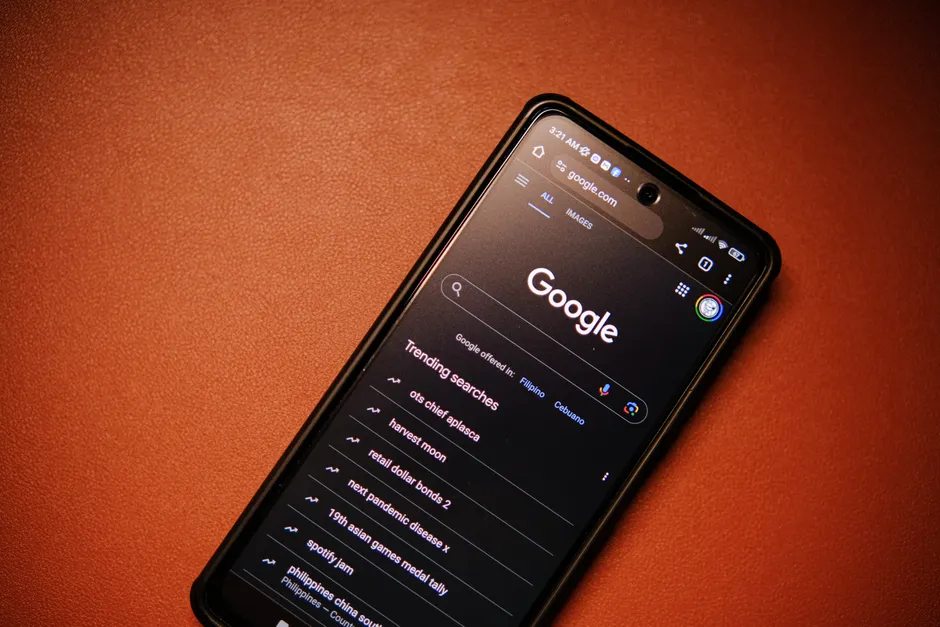
Alphabet, the parent company of Google, said on October 28 that searches on Google grew at their fastest rate in five years during the third quarter of 2026. In the same quarter, revenue from Google Search grew 12 percent from a year earlier. In the previous quarter, it grew roughly 17 percent, according to The Verge. The gap between those two numbers is the main tension in the quarter.
Alphabet reported total revenue of $127.6 billion, up 25 percent. Revenue from Google's services rose 11 percent to $96.3 billion. Google Search and other advertising revenue came to $63.3 billion, according to the company's earnings release.
Total revenue fell short of the $128.2 billion that analysts expected on average, according to Reuters, which used estimates compiled by LSEG. CNBC reported adjusted earnings per share of $2.67, compared with $3.02 expected.
Paid clicks, the times people click on an ad, grew 8 percent. In the previous quarter, that figure was 13 percent. Chief Business Officer Philipp Schindler said the slowdown in revenue growth came mainly from currency effects. Changes in how advertisers in certain industries spent money also played a part. On the earnings call, Google said retail made up the largest share of search advertising growth in the quarter. Before the report, analysts had expected search revenue growth to slow to 14.7 percent from 16.8 percent. Reuters cited that figure before results were released.
The detail that matters most for search is how AI Mode makes money. AI Mode is Google's chat-style search, where people ask follow-up questions in a conversation. It works a bit like a shop that draws new visitors who ask many questions but spend less on each trip. Schindler said AI Mode queries are growing strongly, but they earn advertising money at a lower rate than traditional searches. He also said most AI Mode queries are extra questions, not replacements for searches people already make.
Google is expanding ads into AI Overviews, the AI-written summaries at the top of some results, and into AI Mode. That includes more countries and several back-and-forth exchanges within US AI Mode conversations.
Advertisers appear to be keeping up. Data from Tinuiti showed that its same-store advertisers, meaning businesses that were already advertising, increased their Google paid search spending by 14 percent year over year in the third quarter. They did this while keeping their return-on-ad-spend targets, which measure how much revenue they earn for each dollar spent.
Alphabet plans to spend about $200 billion this year, mostly on AI. That spending covers buildings, data centers, and chips. The company kept its 2026 capital expenditure outlook unchanged when it reported the quarter. It also expects a significant increase in that spending in 2027. Alphabet shares have fallen about 14 percent since the earnings report, according to The Verge's November 4 report.
The broader context here is simple arithmetic. More people are searching, but each AI Mode search currently brings in less ad money than a traditional one. Google is placing ads in these new formats to close that gap. If the extra searches eventually earn ad money at a similar rate, the new space could help pay for the large spending plan. If they do not, the company would be spending heavily on infrastructure while its core ad business grows more slowly than it did just one quarter earlier.
In my view, three things will matter most in the next few reports. The first is how much less AI Mode earns than classic search. The second is whether paid clicks pick up once currency effects fade. The third is whether the 2027 spending increase comes with revenue growth that keeps pace. This quarter answers none of those questions. It does show people using search more often, in a format that is still being worked out as an advertising product.
For readers who follow the industry, the key point is that ads are moving into AI-written answers. Google now reports search volume and ad earnings as separate numbers. Those two figures will show whether AI answers grow the search ad market or simply shift advertiser spending within it.