An Electric Truck Startup Just Raised $240 Million and Is Looking Beyond Delivery Vans
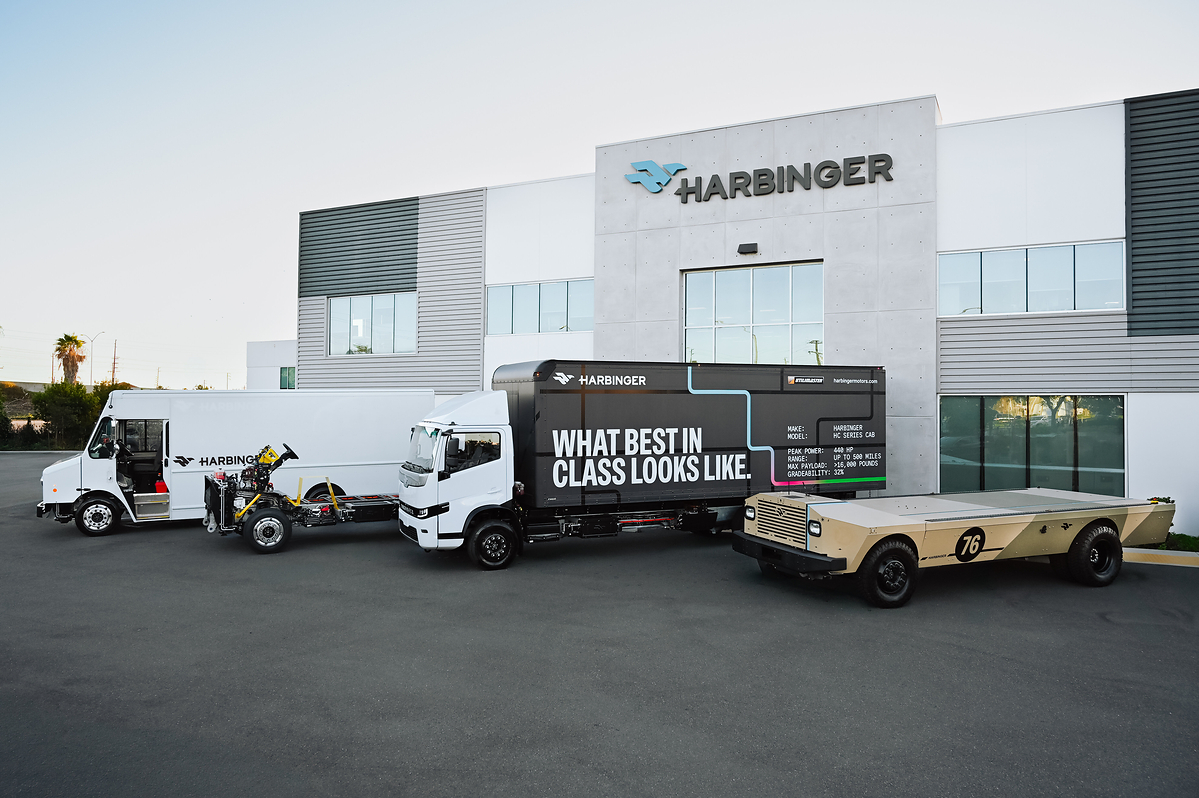
Harbinger, a maker of electric trucks, has raised $240 million in a new funding round, the company announced on November 5, 2026. The round was led by Tiger Global, Capricorn's technology impact fund, and Ridgeline, a firm that invests in defense companies. TechCrunch reported that Harbinger has now raised more than $650 million in total.
Maniv, Greycroft, Leitmotif and Fidelity Management also invested. FedEx, which led Harbinger's earlier Series C round, took part in this one too. FedEx Senior Vice President of Safety and Transportation Paul Melander has joined Harbinger's board of directors.
According to Bloomberg, the money will go toward expanding manufacturing of Harbinger's electric drive technology. TT News reported that the company plans to use that technology in three other areas: defense, autonomy software (programs that help a vehicle drive itself or assist a driver), and energy storage (large batteries that hold power for later use). In other words, the company is presenting this round as funding for three related areas, not only its original truck.
Harbinger was founded in 2022 by former employees of Canoo and QuantumScape, two companies that worked on electric vehicles and batteries. Its first large funding push was a $160 million Series C in November 2025, led by FedEx, THOR Industries and Capricorn. That money was meant to scale up production of U.S.-built electric medium-duty trucks, the mid-sized trucks used for local deliveries. The round also included a first truck order from FedEx.
That order has grown. According to TechCrunch's earlier coverage, FedEx has ordered 2,000 electric trucks from Harbinger, worth more than $300 million. Harbinger's factory plans depend heavily on one major customer, so an order that size gives the company a clear picture of how many trucks it needs to build.
On the product side, Harbinger has bought Phantom AI, an autonomy startup. Phantom's technology adds perception software, which lets a vehicle use sensors and cameras to understand what is around it, along with driving software. Harbinger is also developing hybrid emergency vehicles. It has revealed a driverless hybrid electric vehicle aimed at military use. Its hybrid design pairs a fuel engine that makes electricity with an electric motor that turns the wheels. Think of a camping trailer with its own generator. That setup is more common in off-road and specialized vehicles than in highway freight trucks.
The broader context here is a change in who buys the trucks. A delivery fleet chooses vehicles based on running costs and routes, and it works through a fairly established buying process. Defense buyers follow different timelines, certification rules and specifications. A company that moves into defense has to build relationships and compliance skills that a fleet supplier does not need. Ridgeline's role as a co-lead suggests investors see the shift as deliberate. The round itself does not show how quickly defense work will turn into sales.
In my view, the most useful detail is the pairing of a commercial customer with a defense extension. Motors, battery packs and self-driving software built for delivery fleets could be reused in vehicles that need to run quietly, need less fuel delivered to them, or operate in dangerous places without a driver. Whether that reuse works in practice, in testing and in safety checks, will show up in future product launches, not in this funding round.
For the wider electric truck industry, the round is one clear example. A venture-backed truck maker is raising a large growth round, its biggest fleet customer is investing again, and its product plans now reach into energy storage and government work. The money is meant to build factory capacity. The defense and storage plans are stated intentions that have not yet become deliveries or contracts. What the round makes possible is access to more markets for the same core electric engineering, and a factory where that engineering can be tested.


