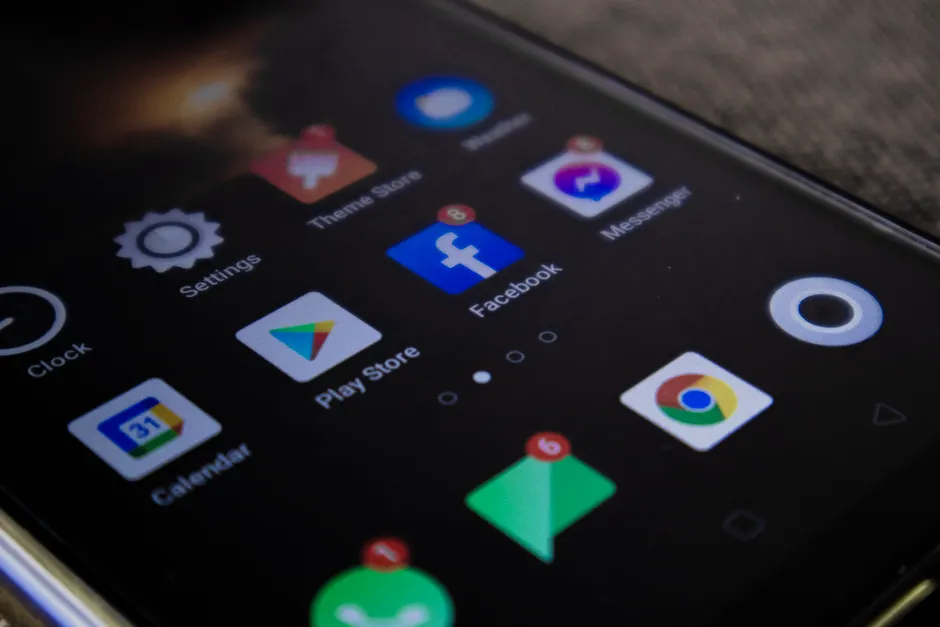
Google Is Letting Other Companies Sell Apps From Its Store — Here's What That Means

Google will allow rival companies to sell apps from its Google Play Store starting July 22, 2026. This is the result of a lawsuit that found Google was unfairly controlling how apps reach Android phones.
Here's the catch: even though apps come from rival stores, Google still handles the payment processing and takes its fee. If you buy an app through a competitor's store, your money still flows through Google.
Rival stores have to pay for the privilege. Google charges $5,000 to review and approve each new store, then $5,000 every year to keep access. The program only works in the United States — stores cannot use it to sell apps elsewhere.
App makers (developers) have a choice. They can tell Google not to include their apps in these rival stores. No app is automatically listed; developers have to permit it.
Why This Is Happening
A few years ago, the company Epic Games — which makes the popular game Fortnite — sued Google. Epic argued that Google unfairly controlled which apps Android users could buy and how much money app makers had to pay Google for each sale. A court agreed, deciding Google had broken antitrust laws.
Google then spent over a year trying to work out a compromise with Epic. They came up with a plan called "Registered App Stores" that would have let rival stores operate more independently, with their own payment systems. In July 2026, both companies decided to drop that idea and let the court's original order stand instead.
The program being launched now is less open than that compromise would have been. It keeps Google's infrastructure and Google's fees in place.
Google has made other changes from the same lawsuit. It now allows app makers to use payment systems other than Google's, and it cut its commission from 30 percent down to 10 percent. In June 2026, Google also started checking and verifying who published apps across several Android stores.
What This Actually Does
A rival app store has to spend $5,000 to start and $5,000 every year. That's not cheap, but companies like Epic Games have enough money to pay it.
The real question is whether a rival store gets anything valuable by offering apps that still go through Google's system and still cost Google's price. If a store's main appeal is "pay less because you skip Google's fees," this program does not provide that. A store that focuses on better recommendations or different app selections might find this useful.
The United States-only rule also matters. Google has similar antitrust cases happening in Europe and South Korea, but nothing about this plan says it has to apply there.
For app makers, the action is simple. Go into Google Play Console and check whether you want your app included in these rival stores. The company gave developers a straightforward way to say no.