Ocado's Big Problem: Falling Profits and a Boss Who Won't Leave Quietly

Ocado's share price fell nearly 15% on July 16, 2026, dropping to its lowest point in over ten years. The company, which runs online grocery deliveries and sells warehouse robotics technology, made a pre-tax profit of £17 million for the first half of 2026. That sounds like a lot of money, but it was down from £607 million in the same period the year before The Guardian.
At the same time, a disagreement at the top of the company became public. Ocado's chair (the person who leads the board of directors) Adam Warby started looking for a new chief executive without telling the current CEO, Tim Steiner The Guardian. Steiner co-founded Ocado in 2000 with two other former Goldman Sachs bankers. Since the company joined the stock market in 2010, he has earned almost £100 million in pay.
Steiner said he has "no intention of being a puppet master" — meaning he would not try to control things behind the scenes after leaving — and said he was "not standing in the way" of hiring a new chief executive The Guardian. But he refused to say whether Warby should stay on as chair or whether the two could keep working together The Guardian.
The plan for when Steiner leaves has changed more than once. On July 6, 2026, several news outlets reported that Steiner would stay as CEO until early 2028 before moving to an advisory role Reuters; The Guardian; The Independent. The week before July 16, Ocado said Steiner would stay for an extra year after stepping down as CEO, in a "founder role" giving strategic advice through to 2029 The Guardian. Forbes called it an "end of era amid bid to revive US growth story" Forbes.
The profit drop looks alarming, but it needs context. The £607 million figure from the year before was boosted by one-off gains, so it was not a reflection of everyday business performance. Ocado is still in a transition phase. Adam Vettese, a market analyst at eToro, said Ocado "remains loss-making, with cash burn still evident, albeit improving" The Guardian. In February 2026, Ocado said it would cut 1,000 jobs to save £150 million and aimed to stop losing cash (meaning it would bring in more money than it spends) in the second half of 2026 Reuters. Shares fell 10% on that news. Ocado now says it expects to stop losing cash by November 2026 The Guardian.
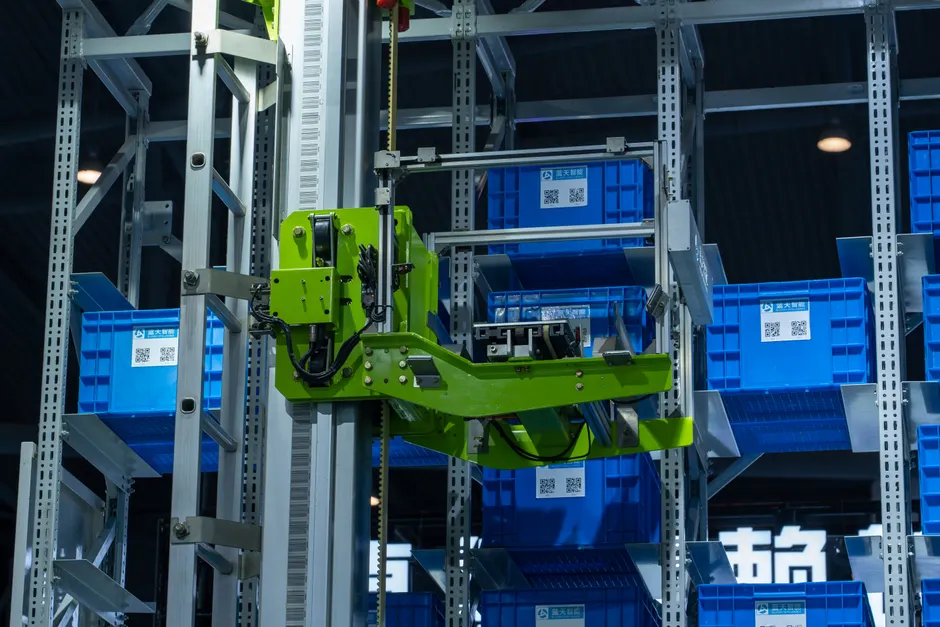
There are also signs the business is growing. Ocado's grocery partnership with Marks & Spencer reported sales up 15% to £1.76 billion for the half year to 31 May 2026 The Guardian. Ocado's Smart Platform — its robot-and-software system that other supermarkets can pay to use — launched in South Korea with Lotte in April 2025 Ocado Group Newsroom. A robot-run warehouse in Poland with Auchan Polska opened in November 2025, and another in Catalonia with Bon Preu was announced in June 2025 Ocado Group Newsroom. Ocado and Asda announced a partnership on May 29, 2026 Ocado Group Newsroom. Fortune and Statista also named Ocado one of the most innovative companies in Europe Ocado Group Newsroom.
Ocado plans to open robot-run warehouses for clients in South Korea, Japan, and Phoenix, US in 2026, and expects to sign new US clients in the six to 12 months after July 2026 The Guardian. These are the real-world results that investors have been waiting to see from the Smart Platform. How well they perform will have a big effect on whether Ocado meets its cash flow target.
The half-year results were posted on Ocado's investor relations website on July 16, 2026 Ocado Group Investors. Notably, the company's newsroom page did not show a dedicated Half Year Results 2026 press release among its listed articles Ocado Group Newsroom, which is unusual for a company that typically promotes its financial results. Ocado had appointed a Chief Revenue Officer in October 2025 Ocado Group Newsroom, suggesting it wanted to strengthen its sales operation before expanding internationally.
The broader context here is that disagreements between a board and a founder-CEO are common in tech companies facing a leadership change, but Ocado's situation carries extra risk. The company's stock market value has long depended on investors believing the Smart Platform could be sold to grocery companies around the world, not just on how much money its UK delivery business makes. A public split between the chair and the CEO at the very moment the company is trying to prove its technology works in multiple countries creates a risk that goes beyond any single set of financial results.
The market's reaction on July 16 was clear. A 15% drop to a decade-low share price shows investors are worried about both the company's finances and who is running it. Whether Warby's separate search for a new CEO speeds up or disrupts the transition depends on whether the board and Steiner can agree on a process they can all defend publicly. Steiner says he will not block a successor, but his refusal to comment on Warby's future leaves the leadership question unresolved.