A Kickstarter Wants Libraries to Own Their E-Books Again
Flaming Hydra has launched a Kickstarter campaign for The Phoenix Project. The effort would let libraries buy e-books, own them, and lend them to their members. The campaign went live on November 15, 2026, according to TechCrunch.
The campaign's tagline is "return of the human internet." Backers would support three things. The first is a one-off print magazine that celebrates the values and fun of the early internet. The second is a new e-book service for libraries. The third is a newsletter subscription and an archiving program designed for libraries.
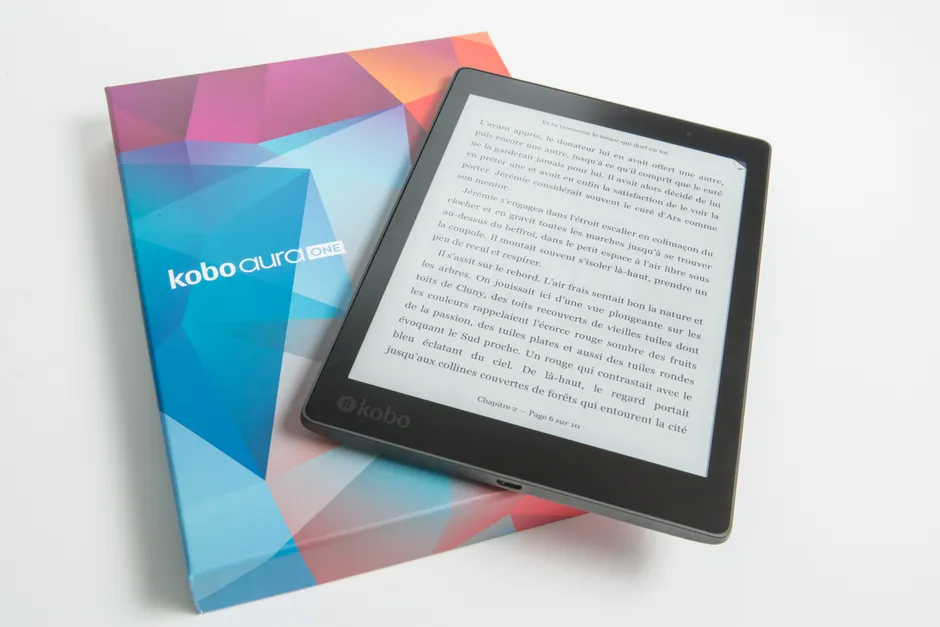
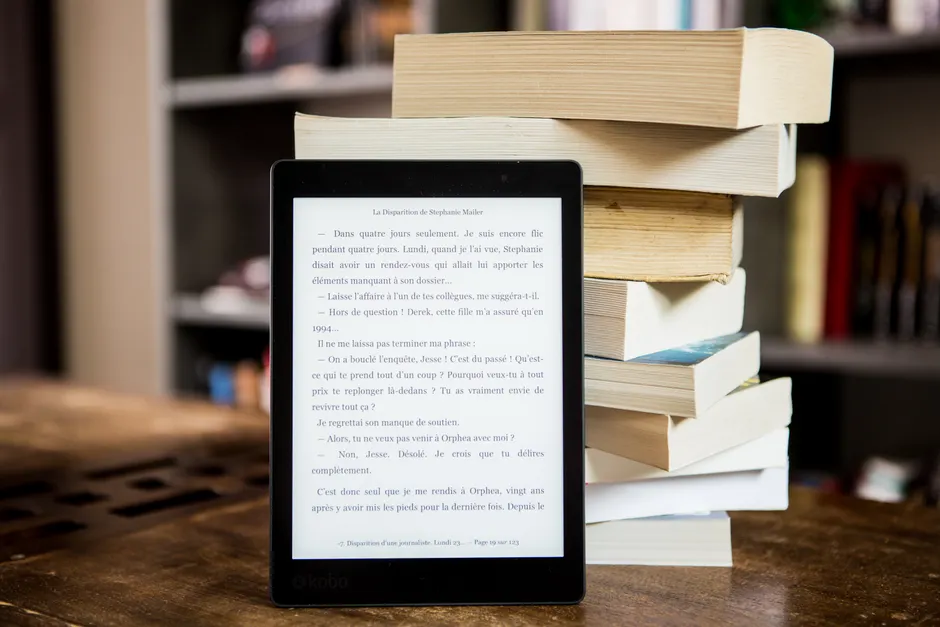
The e-book service is the core of the effort. Libraries would pay for e-books outright and lend them through Lenny for Libraries. The project describes this as an open-source "library in a box" system. Open-source means the software's code is public, so others can inspect it, use it, or change it.
The project starts with five new e-books from Flaming Hydra writers. Maria Bustillos is the publication's lead editor.
The project targets the way most library e-books are licensed today. Bustillos reported in 2020 that a school had to pay $27 per student per year for continued access to copies of The Diary of Anne Frank, according to the same TechCrunch report.
That is a recurring fee for a single title. A library that bought a printed book in the past paid once and kept it on the shelf for as long as it stayed usable.
Owning and licensing are different things for an institution. A purchased copy is a fixed asset that the library can catalog, lend, and keep. A licensed copy is a right of access that can expire, get a new price, or be withdrawn by the rights holder. It works more like a streaming subscription than a bookshelf. Any system that brings digital books back to the owned side has to handle what a physical collection does: lending, long-term storage, and access over many years. The reporting does not explain how Lenny for Libraries handles hosting, logins, or rights management. Those details are still unknown for anyone who wants to judge the platform.
In my view, the tagline is a deliberate appeal to readers who link the early web with open publishing and direct contact between writers and their audiences. Whether a five-title starting collection and a Kickstarter budget can grow into a working lending network for libraries is a separate question. The answer will depend on how many libraries adopt the system, how quickly the collection grows, and whether the newsletter and archiving program becomes a lasting part of the project rather than a perk for backers.
The broader context here is control. If an open-source system lets a library hold its own digital copies and lend them directly, the terms of access no longer depend only on a distributor's licensing schedule. That shift in who holds the keys is why the project's structure may matter more than its magazine.
For now, the project is a crowdfunded proposal. Backers would receive the magazine and help fund the library service. The e-book collection is a starting set of five titles from Flaming Hydra writers.