Netflix Spent $587 Million on Ben Affleck's AI Movie Startup. Here's What We Know

Netflix paid $587 million in cash to buy InterPositive, an AI filmmaking startup co-founded by actor Ben Affleck, according to a regulatory filing for the period ending June 30, 2026 (TechCrunch).
The figure was disclosed in Netflix's Q2 2026 filing, roughly four months after the company announced the acquisition in March 2026 without saying how much it paid. Bloomberg had reported the deal could be worth up to $600 million, so the $587 million cash payment fits that estimate. The filing does not say whether any additional payments are involved (TechCrunch).
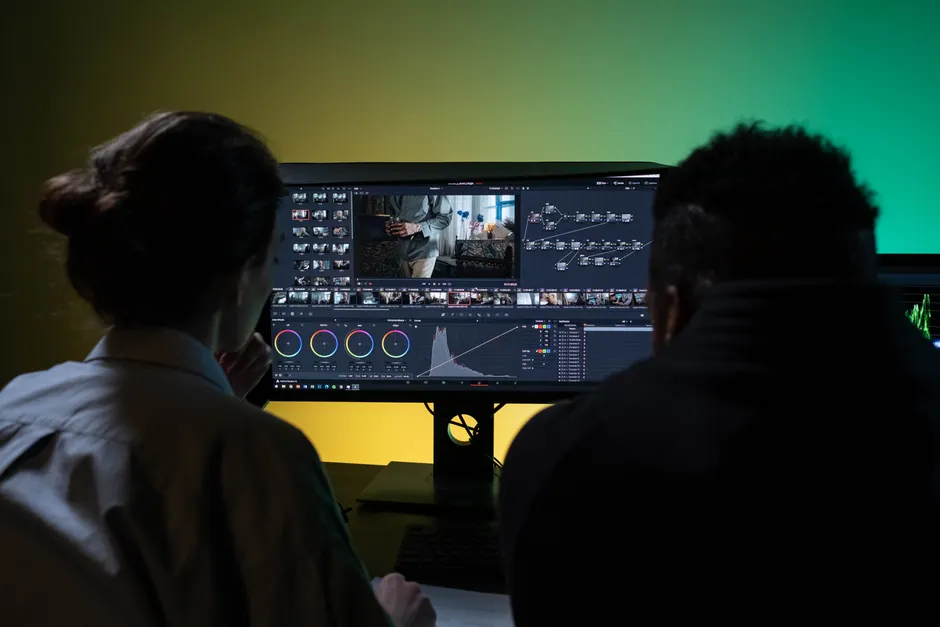
InterPositive makes AI tools that help filmmakers during post-production, which is everything that happens after filming is done: editing, adding visual effects, fixing colors, and adjusting sound. Affleck has said the tools solve practical problems like missing shots, replacing backgrounds, and correcting bad lighting. This means the technology helps fix or improve footage that already exists rather than creating entirely new video from scratch. That difference matters because the film industry is actively debating where AI should and should not be used in the creative process.
When the deal was announced, Netflix said the entire InterPositive team would join the company and Affleck would take on a senior advisory role. In an earlier SEC filing, Netflix said it acquired InterPositive to give its creators a broader set of AI tools (SEC).
Affleck described the acquisition as a way to "protect the power of human creativity." That framing positions AI as a helper for filmmakers rather than a replacement for them. How that principle plays out in Netflix's actual product decisions is still unclear (TechCrunch).
The acquisition also fits into Netflix's wider use of AI. In its Q2 2026 earnings report, Netflix said that about 300 of its titles have used generative AI in some form (TechCrunch). The company did not specify which titles, which AI tools were used, or at what stage of production the AI was applied.
The 300-title number gives a first real look at how far AI has already spread inside Netflix's operations. For creators, vendors, and labor unions watching the industry, it raises a practical question. If Netflix is already using AI across hundreds of titles, buying InterPositive looks less like the start of its AI journey and more like an effort to bring those tools in-house rather than depending on outside companies.
The $587 million price tag is large for a startup whose work, based on available facts, centers on fixing post-production problems rather than generating full videos from scratch. Without knowing InterPositive's revenue, staff size, or patent holdings, it is hard to judge from the outside whether the price matches the substance. The cost suggests Netflix is paying for proprietary technology, a talented team, Affleck's involvement, or some combination of all three.
What is clear from the filing and Netflix's own statements is the direction. Netflix has gone from using AI across hundreds of titles with outside or internal tools to buying a dedicated AI filmmaking company, hiring its staff, and bringing on a well-known creative figure as an advisor. The message to the industry is that Netflix wants to build its AI capabilities internally and is willing to pay nearly $600 million to do so.
For filmmakers, the problems InterPositive targets are familiar. Missing shots, background fixes, and lighting corrections are routine, time-consuming, and expensive parts of post-production that traditionally require skilled artists. Think of it like having a smart photo-editing tool, but for every frame of a movie. If the tools work as described, they would speed up timelines and cut costs on those specific tasks. What is not yet clear is whether that speedup means fewer people are needed or simply that teams can produce more work in the same amount of time.
Netflix has not explained how InterPositive's technology will be built into its production process, whether outside creators will get access to it, or what rules will govern AI-assisted work on its platform. Those details will determine whether this deal actually changes how Netflix makes its shows and movies or just adds another tool to a growing collection.