What's Happening in Odesa and the Black Sea Right Now
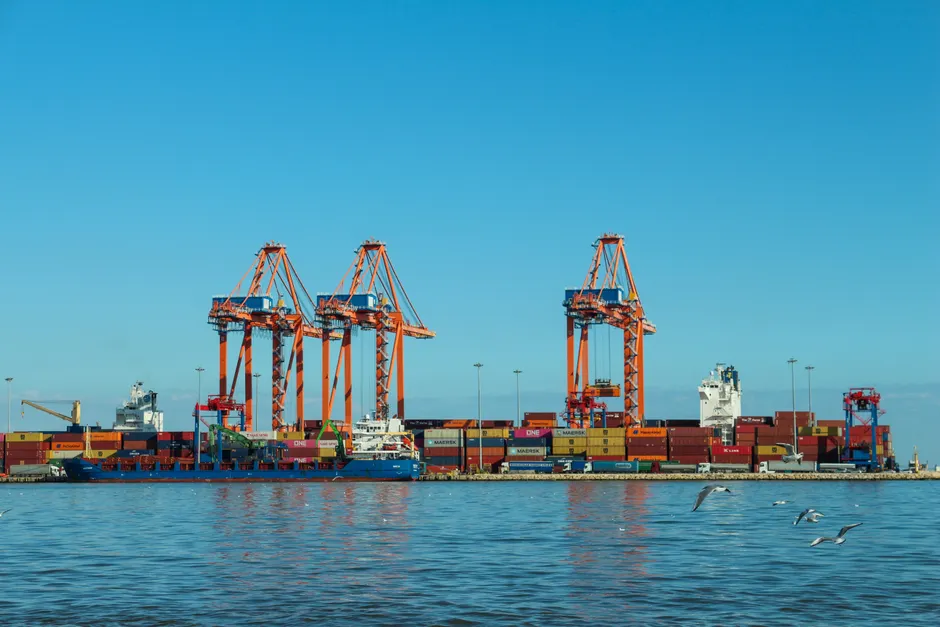
On July 20, 2026, Russia attacked two targets near the Ukrainian port city of Odesa. One strike hit an infrastructure facility, killing at least three people and injuring three others, according to an unnamed Odesa city official cited by Reuters and reported in The Guardian's live coverage of the conflict (The Guardian). The other strike hit a cargo ship carrying corn, killing ten people. The ship was flying the flag of Guinea-Bissau, a small West African country (Reuters).
These two attacks brought the total number of people killed by Russian strikes in Ukraine's Odesa region during July to 28, according to the regional governor (Reuters). That number covers a month of missile and drone strikes against the port city and the infrastructure around it. The attacks have gotten more frequent through the first three weeks of July.
The July 20 infrastructure strike was reported by an unnamed city official via Reuters. No independently confirming report from AP News was found for the specific figure of three killed and three injured. An AP News video published on June 22 had reported a separate Russian missile strike on civilian infrastructure in the Odesa region that killed at least one and injured three, but that report predates the July 20 incident and describes different circumstances.
The strike on the corn ship near Odesa is the latest in a series of Russian attacks on commercial shipping in the Black Sea. On July 14, Governor Oleh Kiper reported that a Russian strike on a civilian cargo ship in Odesa Oblast killed two people. That was the second day in a row Russia had struck a foreign-flagged vessel in the region (Kyiv Independent). On July 17, a Russian drone attack on port infrastructure in Mykolaiv, another nearby city, damaged three civilian foreign-flagged vessels (Reuters).
The pattern of July strikes on Odesa's residential and port areas is extensive. On July 8, a Russian attack killed four and injured six at the Black Sea port. On July 15, a Russian missile struck a seven-storey apartment building, killing three and injuring at least three more (Reuters; Moscow Times; Ukrainska Pravda). On July 16, Russian missile strikes on the port killed two and injured six (Reuters). That evening, a separate strike killed a mother walking with children in a park. Two people died and eight were injured, including three children (NV.ua). On July 17, a Russian missile attack on a residential building killed two more (Reuters).
The broader context here is that both Russia and Ukraine are attacking each other's ships across the Black Sea and the Sea of Azov. Ukraine's drone forces commander reported that Ukrainian drones hit 11 Russian vessels in the Sea of Azov overnight on July 13 and 14 (Reuters). By July 10, Ukraine said it had struck 10 tankers in the Sea of Azov among nearly 50 targets (Reuters). On July 15, Kyiv's top drone forces commander reported that Ukrainian drones had hit 20 Russian vessels in the Black Sea overnight (Reuters). Both sides launched missile and drone attacks on vessels in the Black Sea and Sea of Azov on July 16 (Reuters).
Combined Russian and Ukrainian attacks across both countries on July 16 killed at least 13 people, according to officials (Reuters).
What stands out in the July data is how concentrated the civilian harm has been in Odesa specifically. The 28 deaths reported by the regional governor for the month do not include military casualties, and the targets have ranged from port infrastructure and commercial vessels to residential buildings and public parks. The killing of ten crew or workers on a single corn-carrying merchant vessel on July 20 is the highest single-incident civilian death toll from a Russian strike on Odesa in the available record for the month.
The reciprocal naval drone campaign adds a layer of pressure on commercial shipping routes that both sides depend on for grain and energy exports. Russia's reported preparations to reroute grain exports through the Sea of Azov following Ukrainian drone attacks on its vessels suggest that Kyiv's naval drone strategy is having an operational effect on Russian logistics, even as Moscow's missile campaign continues to exact a mounting civilian toll on Odesa.