Google Is Building a New Chip That Could Make AI Far Cheaper to Run
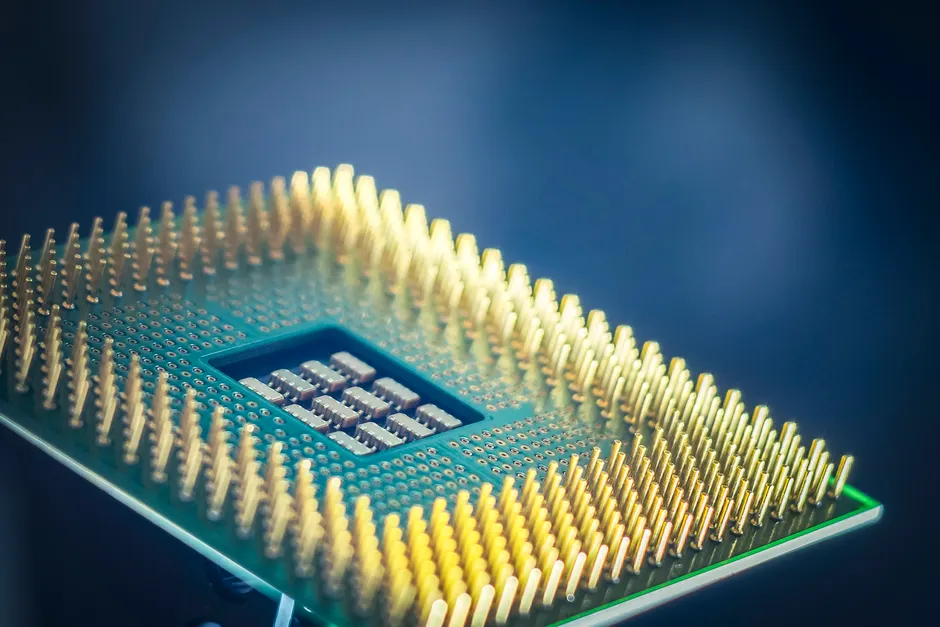
Alphabet is developing a new computer chip called "Frozen v2" that could run Google's AI models six to ten times more efficiently than its current chips, according to a report first published by The Information on July 20, 2026. Reuters independently confirmed the same efficiency figure (Reuters).
The efficiency being measured is how much text an AI model can produce for each unit of electricity it consumes. This matters because once an AI model is trained, the ongoing cost of running it — answering questions, generating text, performing tasks — is driven largely by power consumption. A chip that produces more output per watt of electricity lowers the cost of every query.
The chip is reportedly slated for release sometime in 2028. According to CNBC, Frozen v2 would embed parts of Gemini's architecture directly into the silicon. Gemini is Google's main AI model. Embedding its design into the physical chip means the hardware is built specifically to run that model, rather than being a general-purpose chip that can handle many different ones. Think of it like a kitchen built for one specific restaurant's menu — it can be far more efficient for those dishes, but less useful if the menu changes.
Google did not directly confirm or deny the report. A spokesperson told TechCrunch: "Our teams are constantly researching and experimenting with new innovations to deliver maximum performance and efficiency for our users and customers. While not every project moves into production, this rigorous exploration is central to our full stack approach."
Alphabet shares climbed approximately 3% on the morning of July 20, 2026, following the report (CNBC; Bloomberg).
Google has been building its own AI chips for nearly a decade. Its Tensor Processing Units, or TPUs, have powered Gemini and other AI models for years, according to the company's official blog. The most recent generation, Ironwood, was described by Google as "the first Google TPU for the age of inference" (Google Blog). A later post referred to Google's eighth-generation TPUs as "two chips for the agentic era" (Google Blog). Ironwood delivers more than 4x better performance per chip compared to the prior TPU generation (Google Blog).
A 6–10x improvement would be a steeper jump than Ironwood's already substantial 4x gains. The reason this metric matters is that running AI models, not training them, is now the biggest ongoing cost for companies operating large AI systems. As AI models grow larger and are used for more complex, multi-step tasks, the amount of computing power needed to serve them keeps rising.
The broader context is a competition among large tech companies to build their own chips and reduce reliance on Nvidia, which currently dominates the market for AI processors. Google's TPU program is the most established of these efforts. Nvidia's chips can run virtually any AI model, which gives them flexibility. Google's bet with Frozen v2 is that building a chip designed specifically for Gemini will deliver efficiency that general-purpose chips cannot match.
There is risk in that approach. If the way AI models are designed changes significantly before 2028, a chip built for today's architecture could become less useful. Google's own spokesperson noted that not every research project reaches production, and a two-year gap between this report and the target release date leaves room for delays or cancellation.
What the market reacted to on July 20 was a signal about direction: Google intends to keep tightening the connection between its AI models and the chips that run them. Whether Frozen v2 actually ships and delivers the reported gains will depend on manufacturing availability, software readiness, and whether Gemini's design stays stable enough for the chip to remain useful. For now, the report confirms that Google is investing in the next phase of a strategy it has been pursuing for years.