The US and Iran Are at War — and It's Pulling In Other Countries. Here's What's Going On.
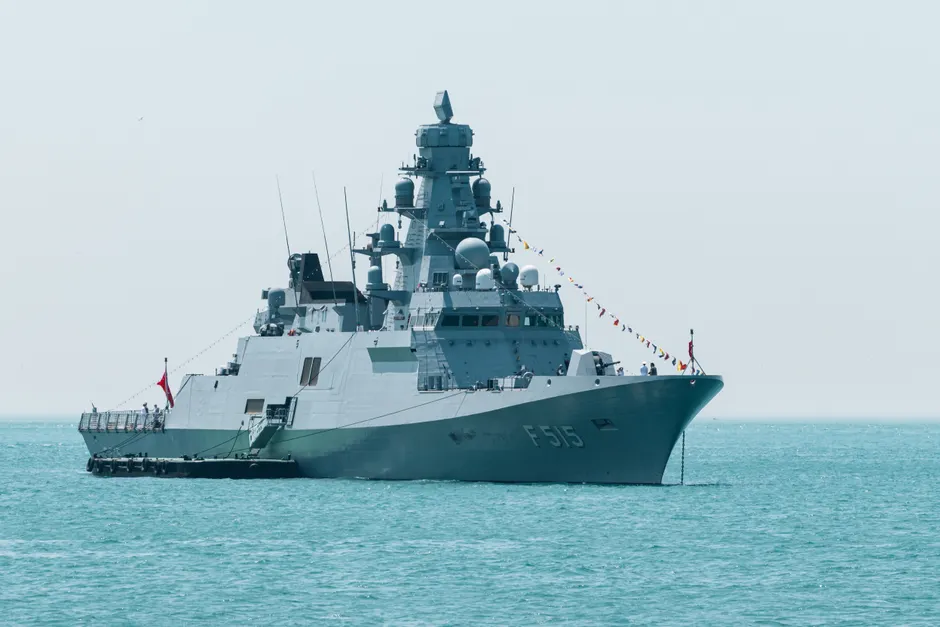
The United States launched its tenth straight night of attacks on Iran on July 21, 2026. At the same time, Iran fired back at neighboring countries Kuwait and Jordan. Explosions were reported in several Iranian cities: Bandar Abbas, Qeshm Island, Chabahar, and Konarak (Al Jazeera).
What started as a fight between two countries — the US and Iran — is now drawing in more and more of the surrounding region.
What the US Is Doing
The US military command for the Middle East, called CENTCOM, has been carrying out attacks on Iran almost every night since early July. By July 19, CENTCOM had completed its ninth straight night of strikes and announced the end of a weekend wave of attacks (CENTCOM).
According to official releases, the US has hit about 140 Iranian military targets using fighter jets and drones, in addition to an earlier round on July 7–8 that hit about 90 targets. Kuwait's state news agency, KUNA, reported that the US specifically went after Iran's coastal surveillance systems, air defenses, ships, missiles, and drones (KUNA).
Iran Strikes Back at Neighboring Countries
Iran has not just been firing at US forces. It has also been attacking nearby countries, especially Kuwait.
Kuwait's air defenses — systems designed to shoot down incoming missiles and drones — intercepted attacks on July 17. Kuwait kept responding to Iranian missiles and drones entering its airspace from the morning of July 18 onward (KUNA). The Kuwaiti military said Iran was still targeting power facilities as of July 19 (KUNA). Another Iranian attack hit a water and power plant in Kuwait and started a fire (CBS News. Reuters, citing Iranian media, reported that a plant in Kuwait that turns seawater into drinking water was also struck (Reuters.
Iran has gone beyond Kuwait, too. On July 8, it attacked sites in Bahrain and Qatar (AP News). Iran's Revolutionary Guards — a powerful, elite military force separate from Iran's regular army — said they were behind attacks on a US-leased base in Kuwait called Ali al-Salem and a base in Bahrain called Sheikh Isa (Reuters. On July 20, AP News reported that Iran also attacked Jordan alongside Kuwait (AP News. An Iranian missile hit Jordan's Aqaba Airport as well (The Hindu.
Why the Strait of Hormuz Matters So Much
A big part of this conflict centers on a narrow strip of water called the Strait of Hormuz, which sits between Iran and Oman. Think of it as a highway for oil tankers — about a fifth of the world's daily oil supply passes through this single route.
Iran declared the Strait closed on July 11, and a ship that entered without authorization was hit (Reuters. Reuters reported on July 8 that the US military carried out new strikes aimed at reopening the Strait (Reuters, and on July 17 that the US boarded a tanker ship near the strait. Former President Trump said that investment deals from Gulf countries would replace the fees Iran normally collects from ships passing through (Reuters.
How This Started
An American service member was killed in Iraq during the conflict in July 2026 (CBS News.
The conflict traces back to a US operation called Operation Midnight Hammer, which targeted Iranian nuclear facilities, including the Fordow Fuel Enrichment Plant — a site deep underground where Iran works on enriching uranium for its nuclear program. The US used specialized 30,000-pound bombs designed to smash through thick concrete and rock, marking the first time these weapons were used in actual combat (Defense.gov. This came after a 12-day war between Iran and Israel in June 2026 (Defense.gov.
What the Bigger Picture Looks Like
The broader context here is that the conflict is spreading, step by step, across the region. Iran's choice to strike infrastructure in Kuwait, Jordan, Qatar, and Bahrain — instead of only going after US military targets — suggests a plan to punish countries that allow US bases on their soil. By hitting power plants and water facilities, Iran appears to be trying to strain daily life in these countries and push their governments to rethink their security ties with Washington.
On the diplomatic front, Lebanese President Joseph Aoun was scheduled to meet with US President Donald Trump at the White House on July 21, 2026 (The Hindu. The meeting takes place as the fallout from the conflict keeps reshaping the region, with the Strait of Hormuz at the center of an escalating standoff.


