A Famous Director Just Made a Short Film Using Only AI-Generated Video

Neill Blomkamp, the director best known for the film District 9, has released "Nightborne," a 13-minute sci-fi horror short film. Every single shot in the film was created using an AI tool called Seedance 2.0, made by the Chinese tech company ByteDance (The Verge). Seedance 2.0 is a text-to-video generator, meaning you type a written description of a scene and the AI produces a video clip based on those words.
The film is the first release from Barley Studios, Blomkamp's new AI startup and production company, which he unveiled on stage at a ByteDance event (YouTube). Barley Studios is the successor to Oats Studios, the experimental short-film outfit Blomkamp previously operated (Dark Horizons). The new venture serves a similar purpose, but built around AI-generated filmmaking rather than the traditional computer-generated effects used in most movies and TV shows.
"Nightborne" is loosely adapted from Peter Watts' 2014 novel Echopraxia. The story follows an American pilot shot down during a US-Syria military conflict who becomes a candidate for Project Nightborne, a government program that converts brain-dead soldiers into remote-controlled weaponized zombies using a control implant in the brainstem (Yahoo Entertainment). The film is presented in a documentary format (YouTube).
The production process combined several elements. Thirty-two human actors agreed to have their faces and voices used in the film, with characters modeled after them. Real concept artists contributed visual development work. The editing was handled by a person named Austyn Daines (The Verge).
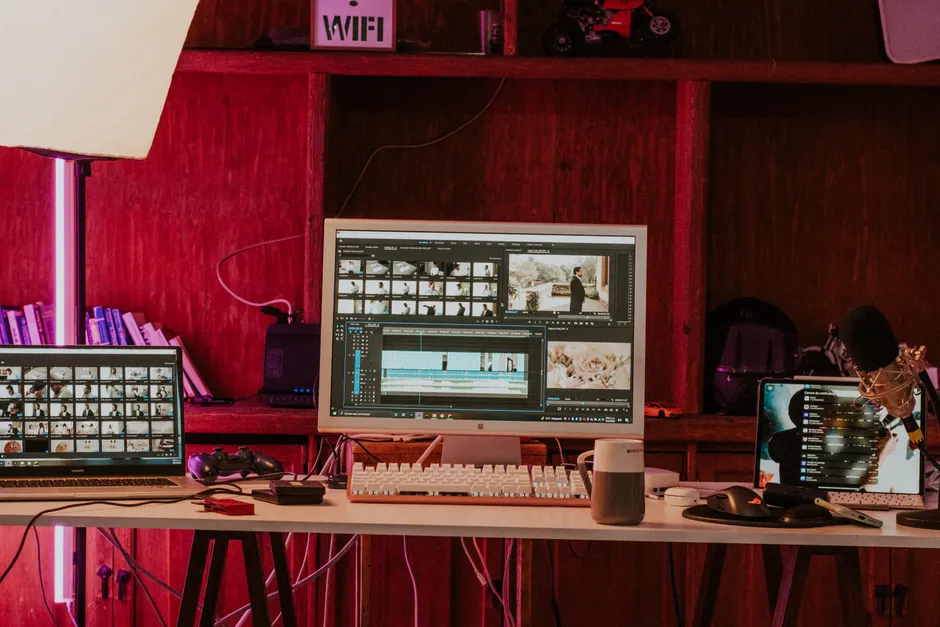
Using Seedance 2.0 as the only video tool comes with a significant limitation: the AI can only produce a few seconds of video at a time. Putting together a 13-minute film from such short clips required a lot of editing work to stitch the pieces into coherent sequences. The documentary style likely helped here, since a documentary format can handle visual jumps and inconsistencies more easily than a regular story-driven film.
Blomkamp described "Nightborne" as a "test start" to show what AI can do in filmmaking. He has said he wants to make a full-length feature film using this AI-generated approach in the future (The Verge). He also noted that he has been experimenting with AI for a couple of years leading up to the release (X, Instagram).
The production credits reveal a hybrid workflow. Despite the emphasis on AI generation, the film relied on human concept artists for visual development, a human editor for assembly, and consenting human actors for face and voice data. The AI system generated the individual shots, but the creative direction before generation and the editing afterward remained firmly human. This is a pattern we have seen before in film production: a new tool enters the process, takes over a specific task, and the surrounding workflow adapts around it rather than the whole system being replaced.
The broader context here is that the 32 actors who agreed to let their likenesses be used raises an important question. How performers' faces and voices are licensed, paid for, and controlled in AI-generated media is still an unresolved issue across the entertainment industry. Blomkamp's production got explicit agreement from each participant, which is the right starting point. Whether that approach works for a feature film with hundreds of characters is an open question he will face if the planned movie goes forward.
Seedance 2.0's short-clip limitation also sets a ceiling on what today's text-to-video tools can do without heavy editing. A 13-minute short film built from clips lasting a few seconds each is a meaningful proof of concept. A 90-minute feature would need roughly ten times as many generated clips, each one needing to keep characters looking consistent, lighting matching from shot to shot, and the physical space making sense across cuts. The documentary format that worked well for "Nightborne" may not hold up for a dramatic feature.
What "Nightborne" does show is that the tools exist and can produce watchable video. The fact that a director of Blomkamp's stature is working with ByteDance on a public stage signals that text-to-video has moved beyond the short novelty clips that filled the last two years and into actual creative production. The distance between a 13-minute test and a full feature film is large, but Blomkamp has framed this as a starting point, not a final statement.