Samsung's New Folding Phones: What You Need to Know About the Galaxy Z Fold 8, Ultra, and Flip 8

Samsung announced three new folding phones at its July 2026 Unpacked event: the Galaxy Z Fold 8, the Galaxy Z Fold 8 Ultra, and the Galaxy Z Flip 8. All three go on sale August 7, 2026 and run on Qualcomm's Snapdragon 8 Elite Gen 5 processor, with Android 17 and Samsung's One UI 9 software on top (The Verge).
The biggest change is that Samsung split its book-style Fold phone into two different models. The Z Fold 8 is aimed at entertainment, with a 7.6-inch main screen and a 5.5-inch cover display, the smaller screen you see when the phone is folded shut. The Z Fold 8 Ultra is aimed at productivity, with a larger 8.0-inch main screen and a 6.5-inch cover screen. The Ultra's screen sizes and resolution match the previous Z Fold 7, and The Verge called it a direct follow-up to that device with a new name (The Verge).
Pricing reflects the split. The Z Fold 8 starts at $1,899.99 for the 256GB / 12GB RAM version, rises to $2,099.99 for 512GB, and reaches $2,499.99 for 1TB / 16GB RAM. The Z Fold 8 Ultra starts at $2,099.99 for 256GB, with the 512GB version at $2,299.99 and the 1TB model at $2,699.99. The Z Flip 8 is the cheapest of the three at $1,199.99 (The Verge).
The Z Fold 8 has a 50-megapixel main camera. The Ultra steps up to a 200-megapixel main camera with 3X optical zoom, meaning the lens magnifies without losing quality, plus a new 50-megapixel ultrawide sensor. Both Fold models use Samsung's Flex Titanium display technology, which makes the crease, the fold line visible across the screen, far less noticeable than on older models (The Verge).
The two Fold models also differ on battery. The Z Fold 8 has a 4,800mAh battery. The Ultra gets a 5,000mAh silicon-carbon battery, a newer type that holds more power in the same physical space compared to standard phone batteries. That matters in a folding phone, where the hinge and two screens leave less room inside. The Ultra also charges at 45W wired and 20W wireless, and supports up to 16GB of RAM (The Verge).
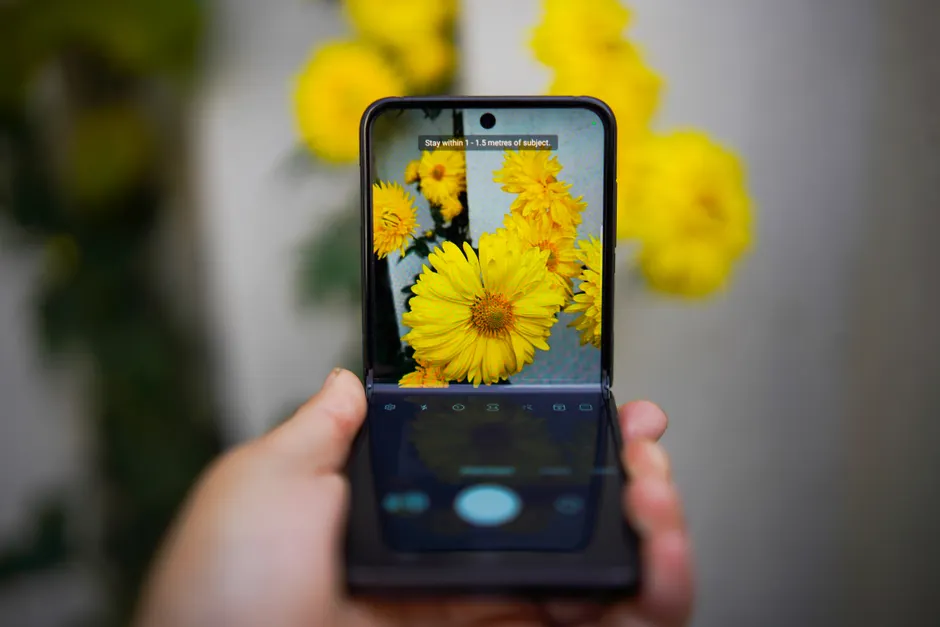
The Z Flip 8 got the fewest updates of the three, according to The Verge. Its battery and camera are the same as the previous Z Flip 7. The one notable change is the switch from Samsung's own Exynos 2500 chip to the Qualcomm Snapdragon processor, matching the Fold models. Samsung did make the Flip 8 thinner and lighter than before (The Verge). Using Qualcomm chips across all three phones means Samsung picked one chip supplier for this generation instead of mixing two.
On the software side, One UI 9 introduces Gemini Intelligence, which automates tasks, and Now Nudge, which proactively suggests helpful actions based on what you are doing (The Verge). Putting Google's Gemini AI directly into Samsung's own software signals a deepening partnership between the two companies on artificial intelligence built into the phone itself, going beyond the cloud-based Gemini app features in earlier versions.
Color options for the Z Fold 8 include lavender, graphite, cream, and pistachio, with pistachio only available on Samsung's online store. The Ultra comes in violet shadow, graphite, cream, and shadow green, with shadow green as the Samsung.com exclusive (The Verge).
Samsung is pushing hard on preorder deals. The company is offering up to $1,200 in trade-in credit toward the Z Fold 8 and Z Fold 8 Ultra through its own store, plus $200 in Samsung credit, a $30 reservation credit, and $100 off with code PAYPAL100. Amazon is bundling a $350 gift card with preorders of both Fold models, and Best Buy is offering a $200 gift card on the Ultra. Samsung is also discounting select Samsung products by up to $100 with foldable preorders (The Verge; Samsung).
A leak of Z Fold 8 Ultra images and specs that surfaced before the event also included a version with 24-karat gold plating (The Verge). Whether that version actually goes on sale remains unclear from the announcement itself.
The broader context here is that folding phone prices have not really come down, even though this is the eighth generation of these devices. The Z Fold 8 starts at $1,899.99 and the Ultra at $2,099.99, keeping them firmly in premium territory. Splitting the Fold into standard and Ultra versions mirrors what Samsung already does with its regular Galaxy S phones, which come in base, Plus, and Ultra tiers. The question for foldables is whether enough people are buying them to support that kind of split. The heavy preorder incentives, especially Samsung's $1,200 trade-in offer, suggest the company is trying to lower what you actually pay out of pocket rather than cutting the listed price, keeping foldables positioned as premium products while making upgrades easier for people who already own one.
The Ultra's 200-megapixel camera and higher-capacity battery mean a folding phone that no longer asks buyers to accept big compromises on photos or battery life compared to a standard, non-folding flagship. Whether that is enough to attract people who have stayed away from folding phones so far is the question this holiday shopping season will begin to answer.