New York's Mayor Wants Netanyahu Arrested. Here's Why He Can't Do It.
New York City Mayor Zohran Mamdani said on July 22, 2026, that the U.S. government should arrest Israeli Prime Minister Benjamin Netanyahu under a warrant from an international court. But he also admitted that he, as mayor, does not have the power to make that happen. The Guardian
"I call on the federal government to join the international criminal court and to execute both this warrant as well as any warrant the international criminal court holds," Mamdani told reporters. NPR, France24, the Washington Post, and Democracy Now all covered his remarks. They came less than a day after he posted a video on the mayor's official X account on July 21. The Guardian
In that video, Mamdani called Netanyahu a "war criminal" who is "not welcome in New York City." He was blunt about what his office can and cannot do: "It is clear that we do not have the independent legal authority to enforce this warrant. The federal government, however, does – and I call on them to join the ICC and execute this warrant." At the July 22 press conference, he went further, calling Netanyahu the "architect of horrific genocide." Washington Post
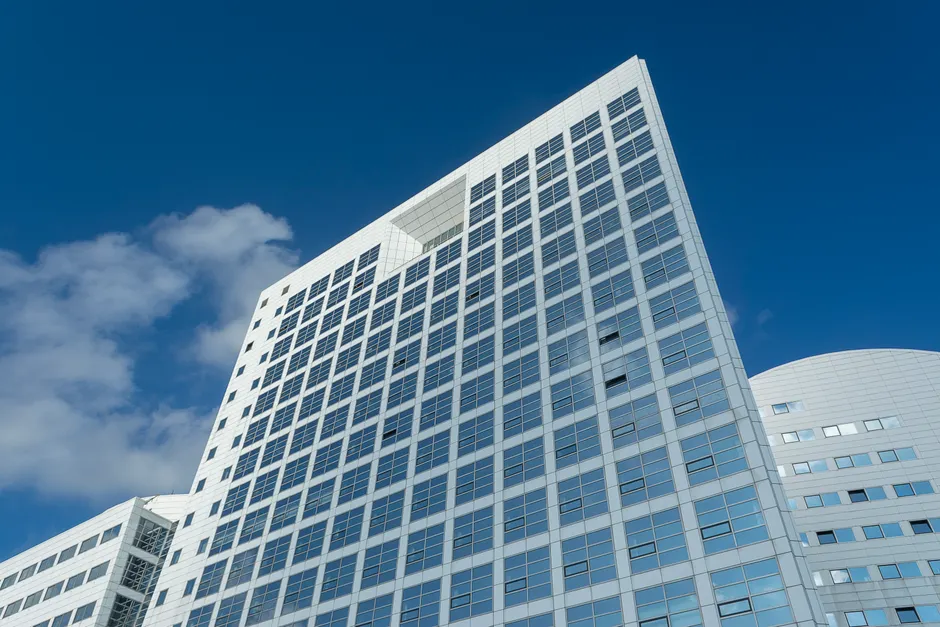
The International Criminal Court, or ICC, is a global court based in The Hague, Netherlands, that prosecutes individuals for the most serious crimes, like war crimes and genocide. In November 2024, the ICC issued arrest warrants for Netanyahu and former Israeli defence minister Yoav Gallant. It accused them of using "starvation as a method of warfare" and committing "murder, persecution, and other inhumane acts." These are charges under the Rome Statute, the treaty that created the ICC and lists the crimes it can pursue. But neither the United States nor Israel is a member of the ICC, so the court's warrants do not automatically carry legal force in either country. The Guardian
Mamdani became mayor on January 1, 2026. Before that, he represented the 36th New York State Assembly District, which includes Astoria, Ditmars-Steinway, and Astoria Heights. During his 2025 campaign for mayor, he pledged to arrest Netanyahu if the prime minister came to New York City. He told the New York Times around July 18, 2026: "I believe that Prime minister Netanyahu belongs in The Hague." His campaign promise and his current statements are consistent. But the legal reality has not changed: the New York Police Department cannot act on an ICC warrant unless the federal government tells it to.
The federal government's stance is the opposite of what Mamdani wants. President Trump posted on Truth Social around July 20, 2026, that Netanyahu "will not be arrested" on U.S. soil. Secretary of State Marco Rubio threatened in July 2026 to "dismantle" the ICC by pushing other countries to leave it. That signals an administration that does not simply ignore the court but wants to actively break it apart.
The broader context here is a gap between what a mayor can say and what international law can enforce. ICC warrants only apply to countries that have joined the Rome Statute. The United States has not joined, so its leaders get to decide whether to cooperate with the court. A mayor's public call, no matter how much attention it gets, has no formal power in the ICC's process or in the U.S. legal system. Think of it like a neighborhood watch leader asking the FBI to raid a house — they can make noise, but they have no authority to act. What Mamdani's statements do have is political weight. They keep the ICC warrants in the American news cycle at a time when the federal government is trying to discredit the court. And they create a public record of a local official pushing a position the federal government has rejected.
Whether this changes federal policy toward the ICC anytime soon is unlikely. The more likely effect is symbolic: a well-known mayor using his platform to keep attention on the Netanyahu warrants through a channel — city-level political pressure — that the ICC's system was never built to use. The warrant itself remains unenforced in any place Netanyahu is likely to visit. And the gap between what Mamdani is asking for and what he can actually do is something his own words now openly acknowledge.


