Chip Stocks Have Been Wildly Bumpy Lately — Here's What's Going On
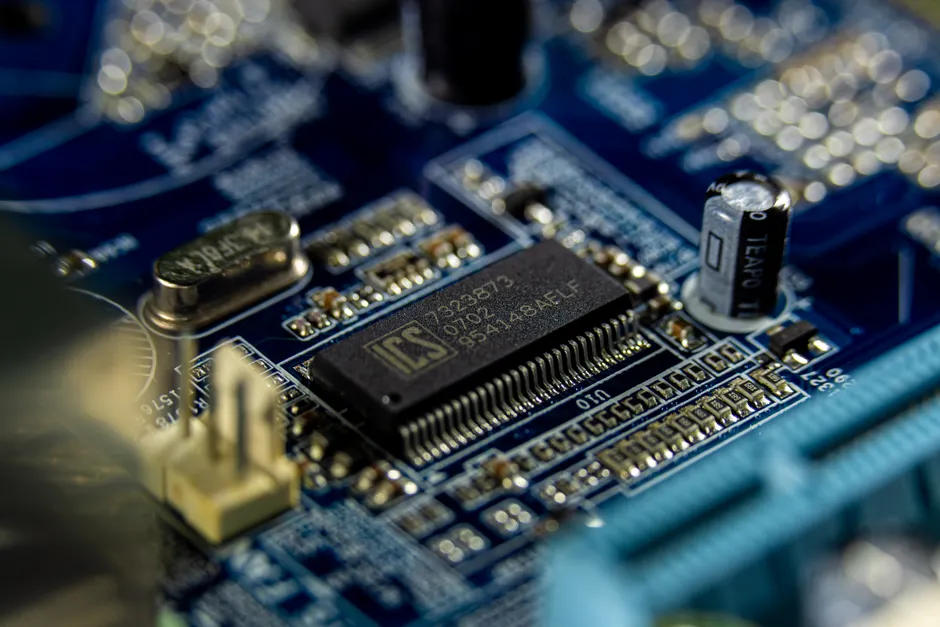
U.S. semiconductor (chip) stocks had a rough July 2026, extending a bumpy stretch that has now lasted over two months with no sign of calming down. Investors are dealing with prices that, even by the chip sector's own high standards, leave little room for anything to go wrong (Reuters).
Think of volatility as how much a stock's price bounces around day to day. High volatility means bigger swings — up or down. In June 2026, a key chip-stock index called the SOX recorded volatility levels matching those from the 2000 dot-com bubble, a period famous for its dramatic market swings. That is a rare comparison, and it tells us this is not just a passing rough patch (Benzinga). By July, the rough start to the month pointed to more bumps ahead, not fewer (Reuters).
The options market — where traders bet on future price moves — tells the same story. As of May 7, 2026, a popular chip-stock fund called SMH had an implied volatility reading of 46. That number reflects how large a price swing traders expect. At 46, it was more than 2.5 times the level for the S&P 500, which tracks 500 large U.S. companies and is considered a stand-in for the overall market (CNBC). In plain terms, traders were pricing in daily swings for chip stocks roughly 2.5 times bigger than for the market as a whole.
The timing matters. The SMH reading dates to early May. The SOX dot-com comparison dates to June. The July reporting confirms the rough patch continued into the current month. Taken together, these data points describe a situation that has gotten more intense, not less, over three months.
The price tags on chip stocks add another layer of concern. Investors were already wrestling with high valuations — meaning stock prices are expensive relative to what the companies earn — as of July 2026 (Reuters). When a sector known for big swings is also priced high, a drop hits harder because you are falling from a greater height.
The broader context here is about understanding your risk, not predicting where prices go next. The 2.5x gap between chip-stock expected swings and the broad market's expected swings is the most useful number in this story. It tells you that holding chip stocks right now requires absorbing roughly two and a half times the turbulence of holding the overall market. For anyone balancing their investments, that means chip stocks are demanding a lot more risk tolerance than a typical broad-market holding.
The dot-com comparison is worth a note of caution. Volatility at 2000-era levels can last a long time, as it did during the original bubble's slow unwind. The current data does not tell us whether we are in the early, middle, or late stage of this bumpy period. What it does tell us is that, as of mid-July 2026, things had not settled down.
None of this is a prediction about whether chip stocks will go up or down. High volatility means big swings in both directions. Chip stocks could rally sharply from here, and these readings would still accurately describe the risk at the time they were measured. The takeaway is about risk: semiconductor exposure currently demands materially more risk tolerance than broad-market exposure, on top of prices that investors themselves already called stretched.


