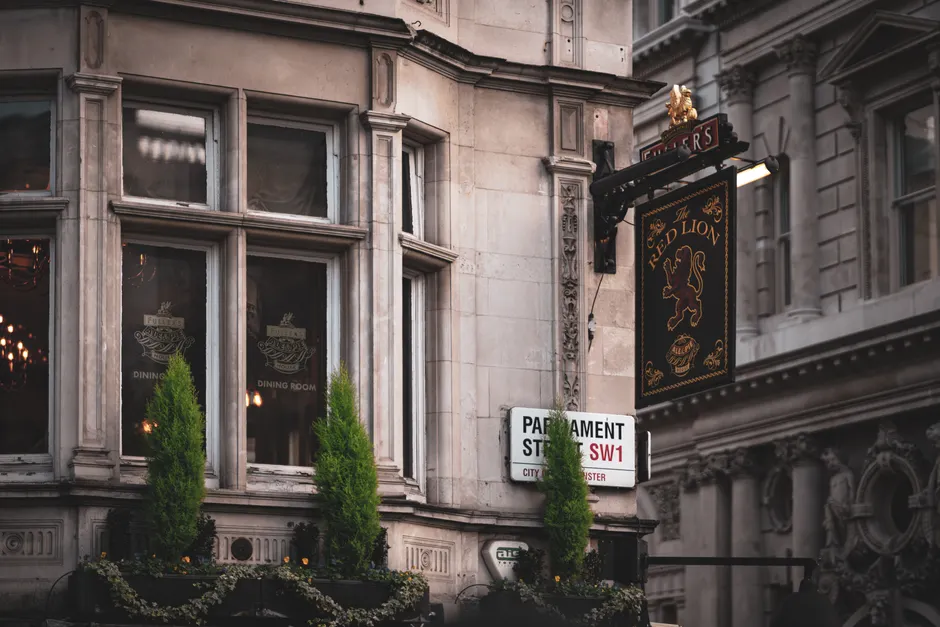
New PM Andy Burnham Cuts Taxes for Pubs and Music Venues — Here's What It Means

Prime Minister Andy Burnham has announced a 20% cut to the tax on business properties for pubs, clubs, and live music venues in England. The cut starts in April 2027 and is the first big policy move of his time as prime minister. The package is worth £100 million and is expected to help nearly 32,000 establishments, according to government figures (The Guardian).
The announcement came on July 23, 2026, just three days after Burnham took office on Monday, July 20. The speed of the move suggests the new government wants to act quickly on supporting high streets and the nighttime economy — areas where business costs have been a long-standing problem for venue owners.
Business rates are a tax that businesses pay based on the property they occupy. If you own a shop, pub, or office, you pay this tax every year. It is similar to council tax, which households pay, but for commercial properties instead of homes. Critics have long argued that this tax is unfair to high-street businesses, such as pubs and shops, because online retailers often pay less since they may operate from large warehouses with lower tax values.
The £100 million package will be funded partly by reviewing existing tax discounts for businesses that the government says do not make a positive contribution to communities. Vape shops were singled out as an example. This means the Treasury can offer help to pubs and venues without raising the overall tax burden, but it will inevitably create winners and losers.
The government estimates that the typical pub will save about £1,100 in the next financial year. The relief is also targeted: the very largest live music venues are excluded, so the benefit goes to smaller and mid-sized operators that struggle most with high property costs.
The new 20% cut builds on an earlier 15% discount for pubs and live music venues announced by Rachel Reeves earlier in 2026. Together, the two measures substantially reduce what eligible venues owe. Local authority guidance for the earlier relief was published on gov.uk in February 2026 (gov.uk), and under the 2026-27 arrangements, eligible pubs and live music venues have their bills frozen in real terms after the 15% relief is applied, according to Mansfield District Council (Mansfield District Council).
The official government press release was headlined "Burnham means business: PM slashes business rates bills for pubs, clubs and live music venues" (gov.uk). The announcement was also reported by Reuters (Reuters) and The Mirror (The Mirror).
John Healey, named chancellor in the Burnham administration, said the government would return to its promise to overhaul the wider business rates system, including relief for small businesses, at the budget. A full overhaul has been promised by successive governments but repeatedly delayed.
There is a broader angle worth considering. By taking tax discounts away from vape shops and similar businesses to fund the pub and venue cut, the government is making a clear value judgment about which businesses deserve support. This is not a neutral technical change. It reflects a preference for community-oriented establishments over those the government sees as offering less communal benefit. Operators in the categories facing reviews will likely watch the criteria closely, and the definitions of "positive contribution" and community value will be where political and legal disputes concentrate.
For the venues themselves, the combined effect of the 15% and 20% discounts is significant. A typical pub saving £1,100 a year on property tax, on top of the existing discount, means a real reduction in fixed costs at a time when energy, staffing, and supply costs have been squeezing margins across the hospitality sector. The exclusion of the largest live music venues narrows the scope but fits the government's logic: directing support to operators that lack the scale to absorb rising costs on their own.
The timeline also matters. The 20% cut does not take effect until April 2027, so there is a long wait before venue owners see the benefit in their bills. In the meantime, the existing 15% discount and the real-terms freeze for 2026-27 remain the support in place. Healey's promise of wider reform at the budget adds another layer of uncertainty: if the whole business rates system is overhauled before or alongside the new discount's start date, the interaction between the two could change the final outcome for individual operators.