What Happened When World Leaders Came to Washington for Lindsey Graham's Funeral
Funeral ceremonies for Senator Lindsey Graham began in Washington on Tuesday, July 28, 2026, and they brought two world leaders to the city: Israeli Prime Minister Benjamin Netanyahu and Ukrainian President Volodymyr Zelenskyy. Both were scheduled to meet Donald Trump at the White House during their visit. Zelenskyy was also set to meet with the U.S. Senate on Tuesday evening, where a vote on new sanctions against Russia was expected. Sanctions are punishments — usually economic — that one country puts on another to pressure it into changing its behavior The Guardian Al Jazeera.
Graham, a Republican from South Carolina, died on Saturday, July 11, 2026, at the age of 71. He died shortly after returning to Washington from a trip to Kyiv, the capital of Ukraine. Medical findings reported by the Associated Press said he likely died after an aorta tear — a rupture in the body's largest artery, which carries blood from the heart Associated Press. U.S. senators paid tribute to him on Monday, July 13, 2026 Reuters. The most recently published source, The Guardian, describes the cause as a heart condition.
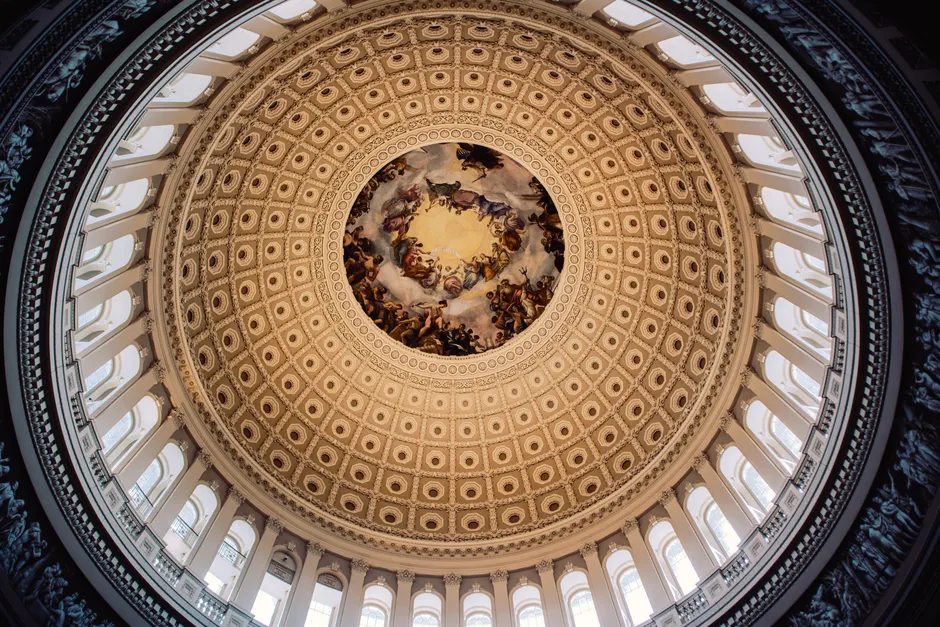
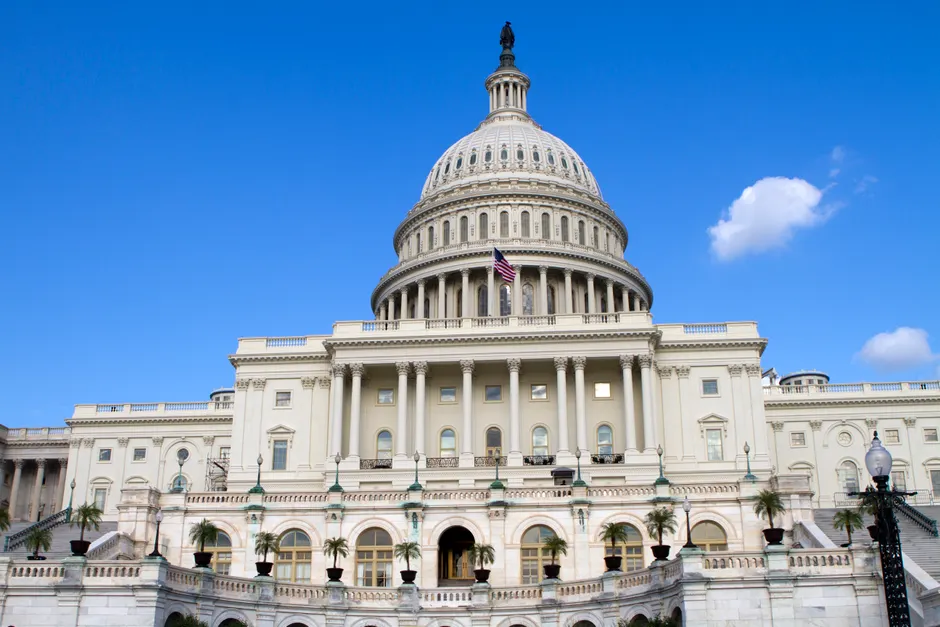
The funeral events took place across two cities. On Tuesday, events began on Capitol Hill in Washington, where Graham served eight years in the House of Representatives and 23 years in the Senate. His casket was moved from the Capitol Rotunda to the Washington National Cathedral for an afternoon service. Trump was among the scheduled speakers. On Wednesday, July 29, ceremonies continued in South Carolina. They included a military flyover by F-16 jets at the state house in Columbia, a procession to First Baptist Church, and a private family burial in Pickens County. That is where Graham was born in the town of Central, alongside his younger sister Darline, who succeeded him in the Senate. Trump had said publicly on July 13 that Darline should be appointed as the temporary replacement senator Reuters.
Graham's last diplomatic trip was to Kyiv in early July, where he met Zelenskyy while working on a new sanctions bill against Russia. That bill now awaits a vote in the Senate. Reuters reported on July 27 that the vote was expected this week Reuters. The timing of the vote with Zelenskyy's visit gives the White House meeting a concrete piece of legislation to point to, though the outcome of the vote is not guaranteed.
Zelenskyy was hoping for a better White House meeting than the last one. In February 2025, his meeting with Trump became famous for being openly hostile. The relationship between Trump and Zelenskyy has been a steady factor in how much support the U.S. gives to Ukraine. The funeral gave both sides a natural reason to meet and try to reset the relationship without having to arrange a separate visit.
The situation with Netanyahu is more tense. Reports said Trump and Netanyahu's relationship had been under strain, including angry arguments over Netanyahu's threat to start bombing Beirut again. The U.S. has not joined Israel's attacks on Lebanon. However, footage that came out after Graham's death showed that he had personally urged Netanyahu to expand the bombing.
That footage was released by the Wall Street Journal. It was filmed behind the scenes in February 2026 on the first day of joint U.S.-Israeli military strikes on Iran. In the video, Graham said: "I almost cried… It's the best thing I've ever done. He loves blowing stuff up," referring to Trump. He compared the two leaders to famous wartime partners: "Trump and Bibi [Netanyahu] are like Roosevelt and Churchill. They're the right two guys to confront this evil."
The same footage captured Graham predicting that it would take three to four weeks of attacks on Iran for the government there to start losing control of its cities. That has not happened. On the first day of the strikes, at least 175 people were killed, most of them schoolchildren, in the Iranian city of Minab. The Guardian's reporting indicates these deaths were most likely caused by U.S. missiles in what is called a "double tap" strike — a tactic where a second attack hits the same target area shortly after the first one, often catching people who came to help the wounded The Guardian.
The contrast between Graham's private excitement about the Iran strikes and the civilian deaths in Minab, along with his prediction that never came true, hangs over the diplomatic meetings taking place around his funeral. Netanyahu and Zelenskyy are in very different positions in Trump's foreign policy world. But both depend on continued American military and political support, which Graham spent his final weeks in the Senate trying to secure.
On the Israel issue, the House of Representatives defeated an attempt to cut off aid to Israel on July 15, 2026. The vote split Democrats Reuters. The failure of that measure showed that Congress still supports Israeli military operations, even as the escalation in Lebanon put pressure on that support within the executive branch — the part of government led by the president.
The broader context here is that Graham's death removed someone who served as a personal link between Trump and two leaders whose wars depend on American decisions being made in the coming months. His sanctions bill, his trip to Kyiv, and his private push to expand the Iran and Lebanon military campaigns are all unfinished work. The side meetings at the funeral may or may not move any of these forward. The fact that Graham is no longer part of these conversations matters for where both conflicts go next.
What is left is a moment where three leaders who have clashed with each other in the past are gathered in a setting that calls for politeness and cooperation. Whether the funeral leads to real diplomatic progress or simply follows the expected formalities will depend on what happens in the White House meetings and on the Senate floor this week.