China Can Now Make Its Own Chip Machines — and Chip Stocks Crashed
Asian chip stocks tumbled on July 28, 2026. A broad index of regional chip shares fell as much as 7.5%, its worst one-day drop since early March (HedgeWeek). In South Korea, Samsung fell 13.4% and SK Hynix dropped 14.7% (Reuters). China's ChiNext 300 index slid 4.7% the same day (CNBC).
The trigger was a July 27 report from The Information saying China has started mass-producing its own chipmaking machines through a state-backed company (The Information). Reuters confirmed the report the same day (Reuters). Tom's Hardware called it a major breakthrough in chipmaking equipment (Tom's Hardware).
Bloomberg reported that the global selloff in chip stocks deepened in Asian trading on July 28, pointing to China's progress in chipmaking technology as the trigger (Bloomberg). The declines followed losses in prior sessions, extending a rout that had already been pressuring chip company valuations.
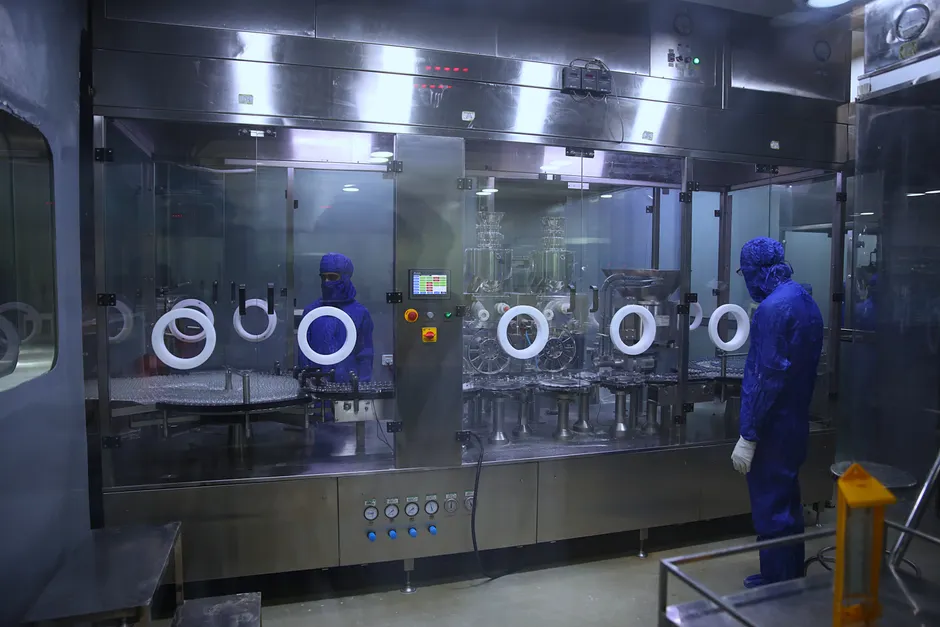
Here is what the news is about. Making computer chips requires a machine called a lithography tool. Think of it as an extremely precise projector: it shines light through a pattern to print tiny circuits onto a silicon wafer. The finer the pattern, the smaller and more powerful the chips. Until now, one Dutch company called ASML has been the only maker of the most advanced version of these machines, and export controls have blocked it from selling them to China.
The report says a Chinese state-backed firm is now building similar machines at scale. That would narrow a major bottleneck in China's effort to make its own chips — at least for mid-range manufacturing.
The selloff hit South Korea hardest because Samsung and SK Hynix are two of the world's biggest memory chip makers. Their share prices are built on assumptions that they will keep their pricing power and market share in the memory chips used in computers, phones, and servers. A China that can supply its own chipmaking machines threatens those assumptions. A 13–15% drop in one day for companies this large is not a routine adjustment. It signals that investors are rethinking how secure Korean chipmakers' advantage really is.
The ChiNext's 4.7% drop is harder to read. The index is heavily weighted toward Chinese tech companies, some of which would actually benefit from China making its own chip equipment. The selloff suggests that on July 28, fear of a deepening U.S.–China technology conflict — and the sanctions or retaliation it could trigger — outweighed any optimism about self-sufficiency. Investors may also be worried that faster Chinese progress will prompt tougher export controls, which could disrupt supply chains for Chinese chip designers who still rely on foreign parts.
The breadth of the selloff matters. A 7.5% decline in a broad Asian chip index is not about one company or one country. It points to a regional reassessment of where the chip industry is headed. If investors are pricing in both more Chinese supply and the geopolitical friction that comes with it, the drop in valuations could last beyond a single day.
What remains uncertain is whether the Chinese machines actually work well enough for competitive chipmaking. Building the equipment is not the same as running it in a factory at the yields — the share of working chips per batch — that commercial production requires. That gap is substantial. But the market is pricing the threat now, not waiting for proof. That is a pattern familiar to anyone who has watched how chip stocks react to geopolitical and technological risk.


