The U.S. Just Banned Foreign-Made Robots and Power Inverters. Here's What That Means.

On July 28, 2026, the FCC announced a ban on importing foreign-made advanced robots and power inverters into the United States. The agency said the ban addresses "unacceptable risks to the national security of the United States or the safety and security of United States persons" (The Verge). The ban adds both product categories to the FCC's "Covered List" of restricted equipment, with the relevant entry dated July 28, 2026 (FCC Covered List).
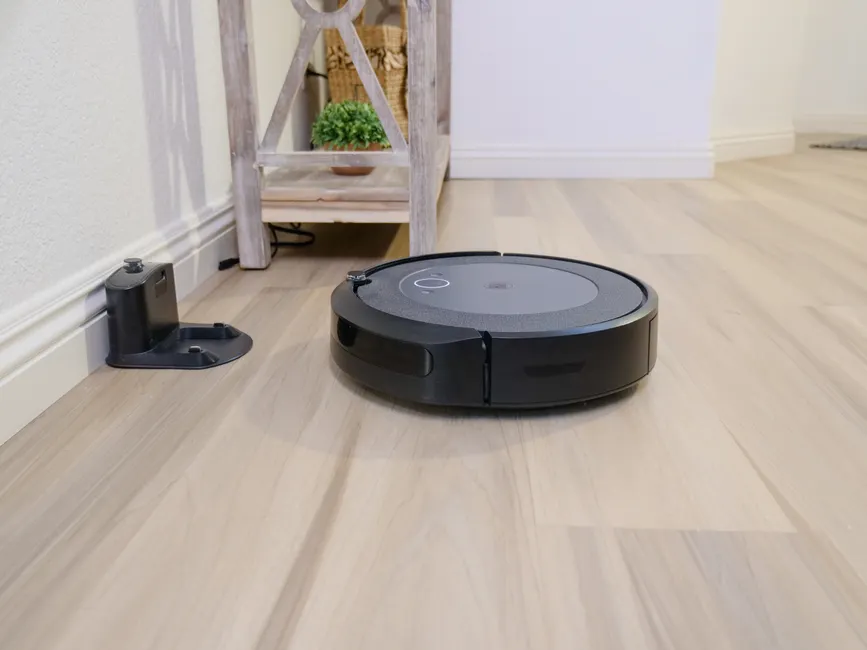
The ban is broader than it sounds. It covers mobile robots, including humanoid and four-legged models, but it also reaches machines you might not think of as robots. Under the FCC's definition, an "advanced robotic device" is any machine that can move around, avoid obstacles, or navigate on its own; has a sensor (like a camera); includes a chip for connecting to the internet; and weighs more than 4.4 pounds, counting its docking station if it has one (The Verge; FCC FAQ). By that definition, a foreign-made robot vacuum would be banned from import going forward unless the manufacturer gets a special exemption.
Reuters first reported the ban. Sources told Reuters that the FCC is expected to exempt many non-Chinese suppliers from the restrictions (The Verge). China is home to some of the biggest power inverter makers, including Sungrow and Huawei. Huawei is already on a U.S. blacklist. Power inverters are devices that convert electricity from solar panels into the kind of electricity that powers homes and businesses, so banning foreign-made inverters ties directly into the energy systems that support large-scale computing, including the data centers driving the AI boom.
The official document justifying the ban specifically references reporting by The Verge about security flaws in a DJI robot vacuum called the Romo (The Verge; FCC NSD document). It is unusual for a news investigation about a consumer product to appear in a formal national security document, and it suggests that everyday connected devices are now being judged by the same standards as critical infrastructure.
If you already own a foreign-made robot or inverter, you can keep using it. Existing products already in the United States are not affected by the ban (The Verge). The FCC also said all covered devices can continue receiving security updates and compatibility fixes through January 1, 2029, so an import ban does not also become a cutoff for fixing problems on devices people already use.
For companies that want to import new devices, there is a waiver process. But the waiver application does not ask manufacturers to improve the security of their products. Instead, every applicant must provide a detailed plan to start making the devices in the United States (The Verge).
The broader context here is that this turns a national-security measure into an industrial-policy tool. The bar for continued import is not better security but a promise to build factories in the U.S. That is a reasonable policy choice if the goal is to make the supply chain more self-reliant, but it is a different goal than the one the FCC stated. Anyone buying robots or inverters for their business should understand that the real question is not "is this device secure?" but "does the manufacturer have a plan to build in the U.S.?"
The FCC published an FAQ page about the ban, including whether companies can import new models just for testing (FCC FAQ). The Covered List also says that robots with a "Conditional Approval by DoW" are exempt from the restrictions (FCC Covered List).
The January 2029 deadline gives organizations about two and a half years of continued support for devices they already own. After that, any device that cannot be imported or replaced with a U.S.-made alternative will stop getting security updates entirely. For anyone using foreign-made robots or inverters in their operations, that is the date to plan around.
This is not the first time the FCC has used its supply-chain rules to restrict equipment from countries it sees as security risks. The Covered List already includes Huawei, ZTE, and other Chinese telecommunications equipment. What is new is that the list now reaches beyond networking gear into consumer robotics and energy equipment, which are much closer to the products ordinary people buy. In my view, the fact that a vulnerability in a vacuum cleaner helped trigger a national security ban suggests the list of restricted products will keep growing.