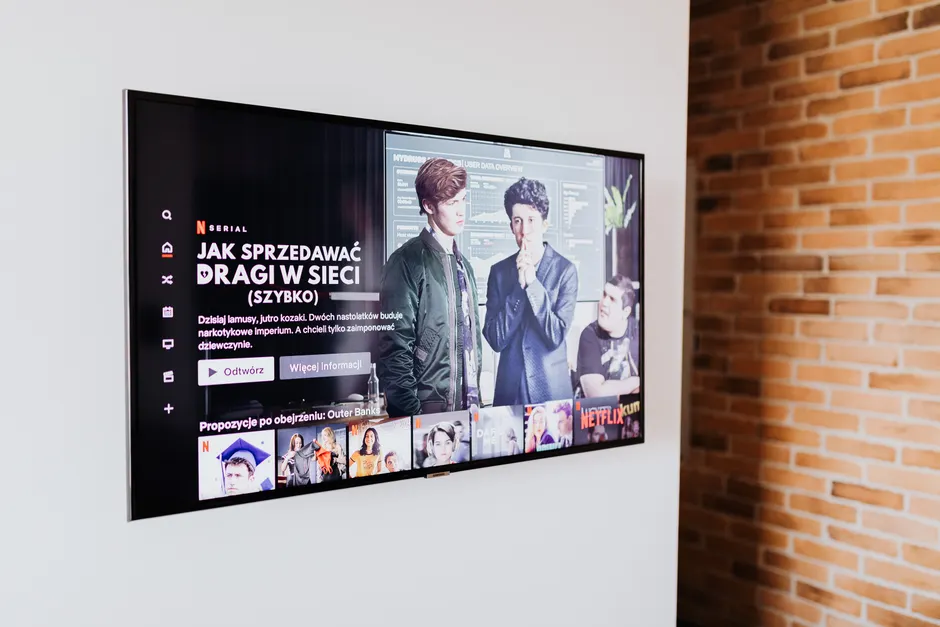
Netflix Beats the BBC as the Service UK Viewers Pick First
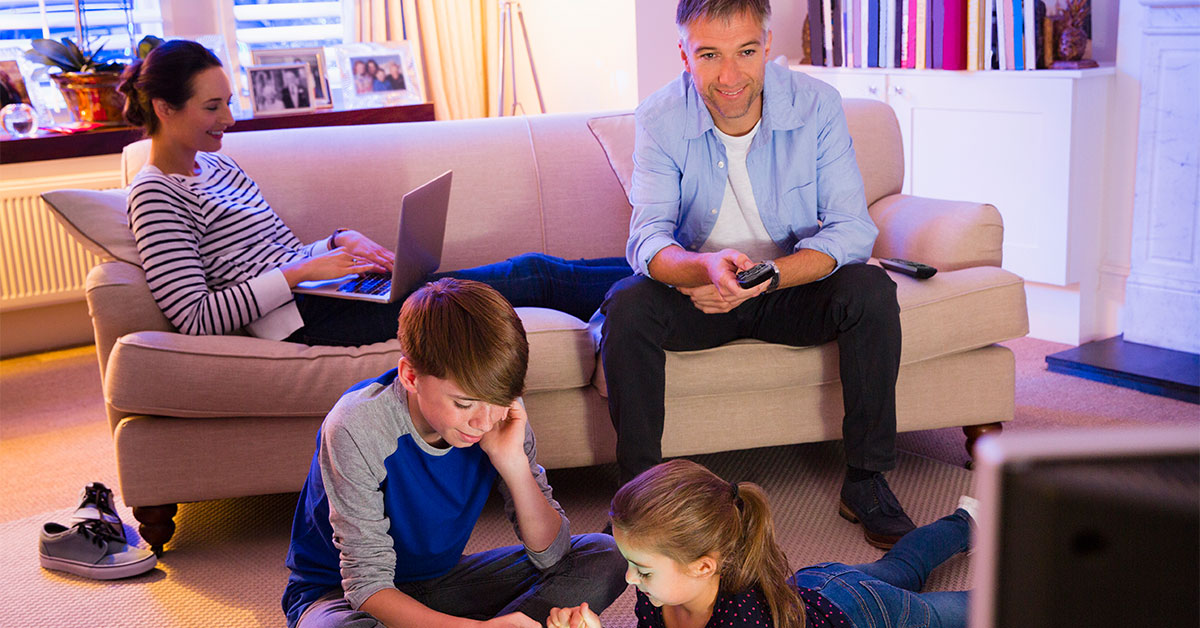
Netflix has become the service UK viewers would most likely choose to watch, according to Ofcom's 2026 Media Nations report published on 29 July 2026. 26 percent of UK viewers named Netflix as their go-to, just ahead of the BBC at 25 percent. ITV was further behind at 15 percent. This is the first year Netflix has pulled ahead of the BBC in Ofcom's survey (Engadget).
The age breakdown tells a clear story. Netflix is already the top pick for 25-to-34-year-olds. Among 16-to-24-year-olds, YouTube ranks higher than any traditional TV channel. And it is not just young people: UK viewers over 75 are also moving away from traditional TV toward YouTube, something that would have seemed unlikely even three years ago.
YouTube viewing in the UK has doubled since 2022. Brits now watch an average of 41 minutes of YouTube per day across all devices. That figure reflects the broader shift from scheduled TV — where you watch whatever is on at the time — to on-demand services where you choose what to watch and when (Engadget).
The BBC, meanwhile, is shrinking. The corporation announced the cancellation of Blankety Blank, Celebrity Mastermind, and Live at the Apollo as part of a cost-saving effort. The BBC is cutting £500 million (approximately $664 million) over the next five years and will reduce around 150 hours of original TV programmes by the end of 2028 (Engadget; BBC Media Centre).
The streaming world itself keeps changing. Amazon Prime Video made advertising the default for its UK users starting in February 2025 (Ofcom Media Nations 2025). Ofcom's survey also found that 13 percent of Netflix subscribers reported downgrading their subscription, meaning they switched to a cheaper plan. That suggests viewers are becoming more price-sensitive even as Netflix gains overall share (Ofcom Media Nations 2026). Ofcom also publishes an annual tracker looking at how UK adults feel about public service broadcasters like the BBC and their on-demand services, offering another view of how audiences see the institutions behind the programmes (Ofcom).
The broader context here is a long-term shift in how people in the UK decide what to watch. The BBC's 25 percent figure is not a sudden collapse. It is the result of a trend that has been building for years as Netflix has invested heavily in its catalogue, used recommendation algorithms to keep viewers engaged, and made it effortless to watch something on demand rather than tuning into a scheduled channel. The one-point gap between Netflix and the BBC is narrow, and the survey asks people what they would choose rather than measuring actual viewing time. But the direction is clear, and with the BBC cutting programmes and budgets at the same time, it is hard to see what would turn the trend around soon.
One thing worth pausing on is YouTube's role. Its doubling of UK viewing minutes since 2022, and its growing popularity among viewers over 75, points to a different kind of competition than the battle between paid streaming services. YouTube competes for the same attention as Netflix and the BBC, but in a very different way: its videos are created by users rather than TV studios, and it is paid for by advertising rather than monthly fees. For public service broadcasters, this means pressure from two sides at once — a well-funded subscription service like Netflix above them, and a free, ad-supported, algorithm-driven platform like YouTube below.
The 13 percent of Netflix subscribers who downgraded their plans is also an early sign that people are getting tired of paying for multiple subscriptions, even for the most popular service. Whether that leads to more cancellations, switches to cheaper ad-supported plans, or simply a limit on how much Netflix can keep growing will shape the market over the next year.
For the technology and media sectors, the Ofcom data confirms that the UK has crossed a clear line: a publicly funded broadcaster is no longer the first choice for most viewers. What is not yet clear is whether the BBC's investment in its iPlayer streaming service and its digital strategy can hold its position, or whether the gap with Netflix and other streaming services will keep widening as those companies continue to spend more on content and use data to personalise what viewers see.