The Fed Kept Interest Rates the Same. Here's Why Markets Got Nervous.

The Federal Reserve left interest rates unchanged at its meeting on July 29, 2026. The Fed sets a benchmark interest rate that influences what you pay on mortgages, credit cards, and savings accounts. Chairman Kevin Warsh used his press conference to repeat that the central bank is committed to bringing inflation — the rate at which prices for goods and services rise over time — back down to 2% Reuters. Warsh told reporters there is no higher informal target for inflation. The only goal is 2% Reuters. The decision to hold rates steady came even though investors in futures markets were expecting one rate hike in 2026, as Warsh seeks to bring inflation down to the Fed's target MarketWatch.
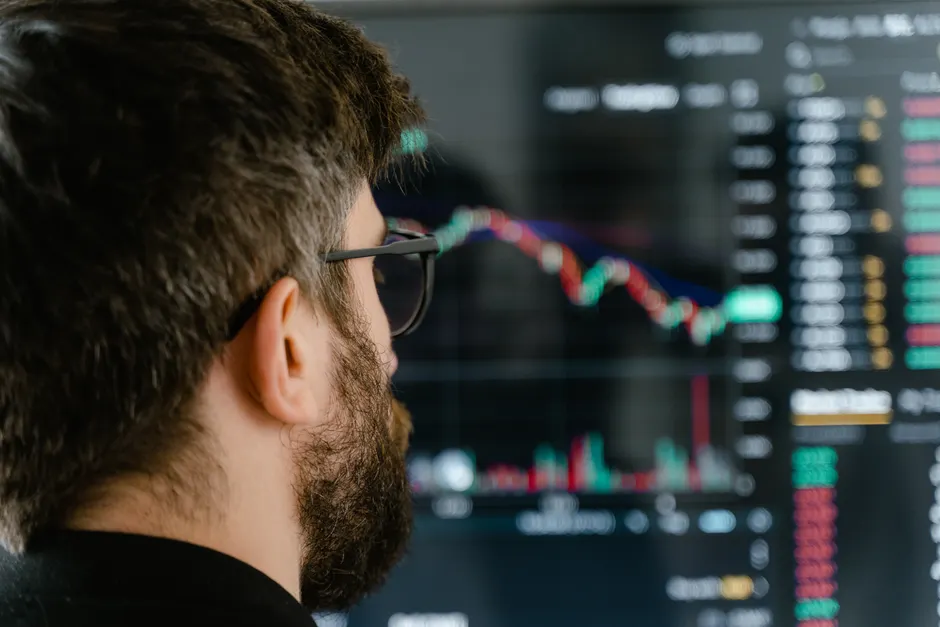
The hold itself was simple. What made investors nervous was Warsh's communication style. He adopted a new approach of not offering what's called forward guidance — hints about where interest rates are likely headed in the future MarketWatch. Bloomberg reported on July 29 that Warsh's "bare-bones communication style" has left investors doubting his commitment to curb inflation Bloomberg. CNBC's live coverage was headlined "Warsh says Fed won't hesitate to stop inflation, but bond market has doubts" CNBC. CNN framed the reaction even more bluntly: "The bond market to Kevin Warsh: What are you doing about inflation?" CNN.
During the press conference, Warsh repeatedly stated that the central bank is committed to reining in inflation CNN. The market's skepticism comes down to a basic tension. Warsh is promising a hard 2% inflation goal while taking away the main tool investors use to figure out where rates are going. Think of forward guidance like a weather forecast for interest rates. Without it, investors in government bonds have to guess what the Fed will do next, with no clear signal to guide them. The doubt reflected in coverage from Bloomberg, CNBC, and CNN suggests the market is not yet convinced the talk will be backed by action.
This dynamic was already visible before the meeting. AP News reported on July 28 that Warsh faced pressure to combat inflation ahead of the July gathering AP News. The Treasury market had been sending Warsh a warning about rates even before the decision, against the backdrop of an Iran war outbreak MarketWatch. A war abroad adds a risk where the economy could slow down while prices keep rising at the same time. That makes the Fed's job harder when inflation is already above target. Warsh's testimony at the Semiannual Monetary Policy Report to Congress on July 14, 2026, before the U.S. House Committee on Financial Services, provided the legislative backdrop for the current policy stance Federal Reserve.
Warsh's policy approach is still taking shape. The Federal Reserve Board published a press release on July 9, 2026 announcing leadership and monetary policy objectives and quoting Chairman Warsh Federal Reserve. The June 17, 2026 FOMC meeting minutes, published July 8, document Warsh voting on a monetary policy action Federal Reserve. On July 30, 2026, the Fed announced five task forces to examine areas central to the broad conduct of monetary policy Federal Reserve.
The broader context here is a central bank in the early phase of a major review of how it makes policy decisions, led by a chair who has deliberately shut off the signaling channels the market has relied on for over a decade. The five task forces suggest the Fed is reexamining the foundations of its approach. When investors price risk, they are essentially placing bets on what interest rates will do. With no forward guidance, an active policy review, and an inflation-fighting vow that the bond market openly questions, the range of possible outcomes for interest rates is unusually wide. Futures markets leaning toward one hike is a single estimate. The uncertainty around that estimate, given the current lack of communication from the Fed, is what the bond market is pricing in — and that uncertainty affects anyone who borrows, lends, or saves.