Anthropic Just Signed a $10 Billion Deal for AI Computing Power. Here's What's Going On.
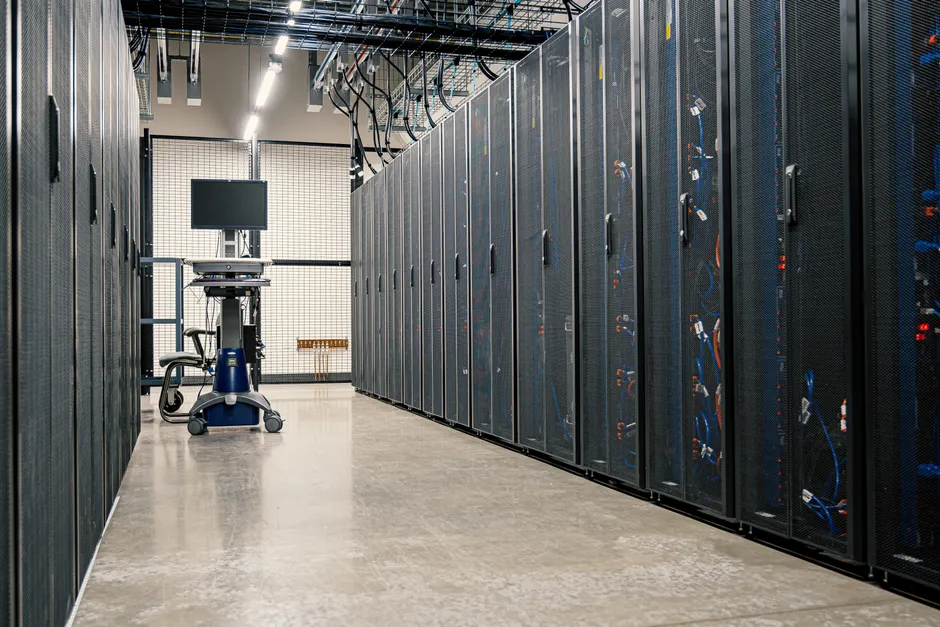
Anthropic, the company behind the Claude AI assistant, has agreed to pay $10 billion over six years to a brand-new company called Volta for computing power, according to a Bloomberg report published August 4, 2026, with Reuters independently confirming the details (Bloomberg, Reuters). Volta will provide that power from a data center in Norway that delivers 133 megawatts of capacity, roughly enough electricity to power a small city (TechCrunch).
The Norway facility will use Nvidia's Vera Rubin systems, which are Nvidia's newest and most advanced AI chips. Volta is part of Nvidia's Cloud Partner program, a group of companies that install Nvidia chips in their own data centers and rent out the computing power (TechCrunch). Volta's partner in the deal is Bitdeer, a cryptocurrency mining company that will help build the data center (TechCrunch).
Volta was founded earlier in 2026. The company raised $300 million in startup funding at a valuation of $2.4 billion (Yahoo Finance). Before the deal was made public, Volta had mentioned working with an AI company but had not said which one (TechCrunch). Bloomberg cited anonymous sources familiar with the deal in its original report; Reuters likewise cited people familiar with the matter (Bloomberg, Reuters).
The Volta agreement follows other recent computing deals announced by Anthropic. The company recently announced new deals with SpaceX and Amazon, with Amazon investing an additional $5 billion in Anthropic (TechCrunch).
The broader context here is that a company founded just months ago landing a $10 billion contract is an unusually aggressive bet on both sides. Anthropic is locking in computing capacity for years to come from a provider that has not yet proven it can deliver. Volta, for its part, is promising to build advanced infrastructure at a large scale before it has any track record. The involvement of Bitdeer, a crypto-mining company, fits a wider trend of crypto-mining businesses shifting their power and facility resources toward AI computing, where access to large amounts of electricity is the hardest problem to solve.
The choice of Nvidia's Vera Rubin chips also matters. Anthropic is committing to a next-generation technology through a partner that has not finished building its facility yet. That makes the deal as much a reservation for future chip supply as a contract for computing power available today. The 133-megawatt Norway site sets a concrete limit on how much power is available, and the six-year term suggests Anthropic expects its need for computing power to keep growing throughout that period.
In my view, the more telling detail is how quickly the landscape of AI computing providers is splitting apart. Anthropic already has deep ties to Amazon through investment and computing agreements. Adding SpaceX and now Volta suggests the biggest AI companies no longer want to depend on one cloud provider or even two. They are spreading their needs across startups, established cloud platforms, and less traditional operators. The reason is simple: the demand for AI computing power is growing faster than any single provider can keep up with. Securing power and chips years before they are needed is becoming standard practice, not an exception.
What this means in practice, if Volta and Bitdeer successfully build the Norway facility, is a wider range of computing suppliers for one of the leading AI companies. If they do not, Anthropic has lined up other providers as backup. Either way, the deal shows that the hardest thing to get in AI today is not money but access to electricity, chips, and the expertise to run large data centers.


