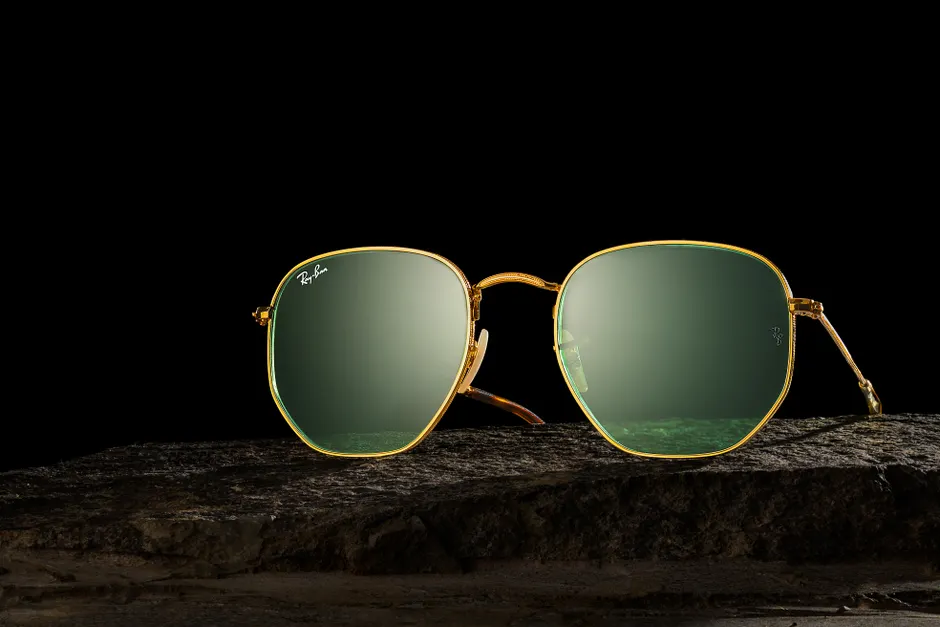
England and Wales Ban Meta Smart Glasses From All Court Buildings
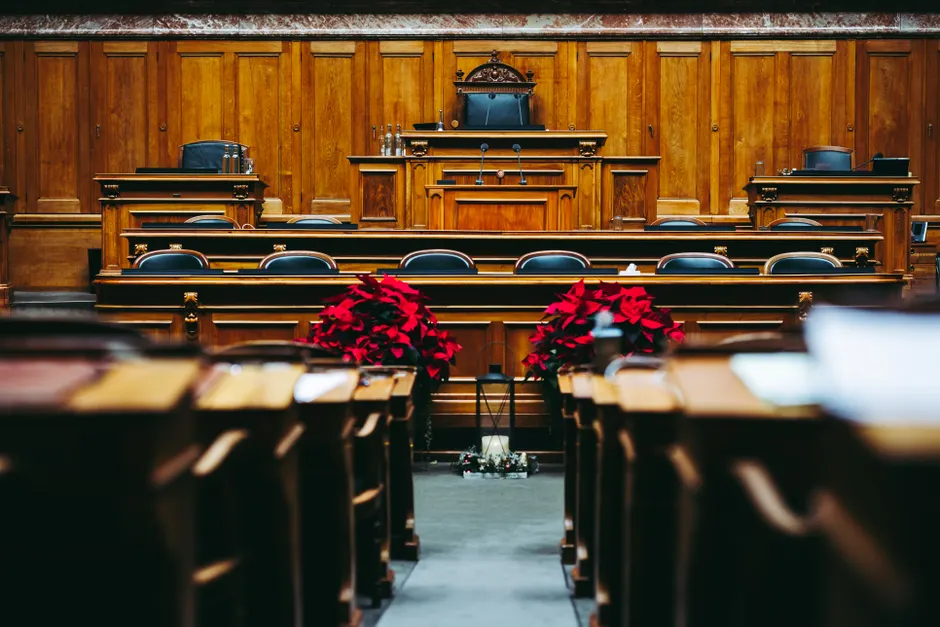
His Majesty's Courts & Tribunals Service (HMCTS) has banned Meta smart glasses from all criminal, civil, and family court buildings in England and Wales, effective immediately. Anyone attempting to enter a court building wearing the devices will have them confiscated at the door and returned upon departure Engadget.
The prohibition flows directly from existing courtroom photography restrictions. Cameras are already barred from courtrooms, and because Meta glasses incorporate built-in cameras, their use in courts is prohibited on the same legal basis. A court spokesperson confirmed that there are clear restrictions on taking images or videos within courts and tribunals, which is why the use of Meta glasses is prohibited. Taking images or videos in court buildings without official permission is a criminal offence and can be prosecuted as contempt of court Engadget.
The policy extends to any wearable recording device, not just Meta-branded hardware BBC.
HMCTS has carved out an exception for smartphones: visitors may bring them into courtrooms provided they are not used to record. The service will not extend a similar accommodation to smart glasses. The distinction rests on form factor. A smartphone can be visibly stowed; a head-mounted camera cannot be readily distinguished from ordinary eyewear, and its activation is harder to police in real time Engadget.
UK government guidance on entering court or tribunal buildings already requires visitors to surrender most electronic items at security, including mobile phones, smart watches, tablets, and memory sticks gov.uk.
The court ban follows a specific incident earlier this year in which a man was accused of being assisted or coached during cross-examination at a London court through the use of smart glasses. The claimant denied the accusation BBC.
New York's state court system recently announced a similar prohibition, enacted explicitly to prevent secret recordings Engadget.
The courtroom restrictions are part of a broader wave of venue bans across the UK. Pub chain Wetherspoons, high-end restaurants, members' clubs, theatres, music venues, and comic book conventions have all prohibited the devices. Comic-Con's promoter banned Meta glasses from its events to stop secret filming of guests and attendees PetaPixel BBC.
The driver is straightforward privacy concern. A University of Sydney study identified hundreds of Instagram videos in which male "pick up artist" content creators secretly filmed women and posted the footage online, with approximately 60 percent depicting behaviour classified as potential harassment The Independent. Some influencers have faced public backlash and lost followers over the devices, which have been colloquially dubbed "pervert glasses" The Guardian.
Ray-Ban Meta glasses have seen strong commercial adoption since launch but face mounting privacy scrutiny and emerging competition that could constrain further growth Reuters.
The policy line HMCTS has drawn is worth examining. The smartphone exception acknowledges that a pocketable device with a camera can be regulated through behavioural rules: keep it stowed, do not record. Smart glasses collapse the gap between carrying a camera and operating one. When the recording interface is a voice command or a temple touchpad, and the form factor is indistinguishable from prescription eyewear, the compliance model that works for phones breaks down. Enforcement would require constant visual surveillance of every wearer's hands and verbal output, which is impractical in a courtroom context where security staff are already managing queues, bags, and weapons screening.
The earlier London incident, in which a litigant was alleged to have received real-time coaching during cross-examination via smart glasses, illustrates the specific threat to judicial integrity that the ban addresses. A courtroom depends on testimony being the witness's own. A discreet heads-up display or audio feed from a remote party fundamentally compromises that premise in ways a courtroom camera ban alone was never designed to prevent.
The wider venue bans point to a social negotiation that is still in its early stages. Wearable cameras are not new; Google Glass encountered similar pushback more than a decade ago. What has changed is that Meta's partnership with Ray-Ban produced a form factor that passes as ordinary eyewear, and the device has achieved enough market penetration to matter. When adoption was marginal, venues could afford indifference. At current volumes, each venue owner must decide whether the friction of policing the devices is worth the goodwill of the minority who wear them.
The courts have answered that question first. The optics are unambiguous: a judicial system cannot tolerate a recording device that cannot be visually distinguished from someone's glasses. Other venues are reaching the same conclusion for their own reasons. The pattern suggests that the market for always-on wearable cameras will be shaped as much by where they are refused entry as by where they are welcomed.