Meta to Kill Camera Function on Ray-Ban Smart Glasses If Privacy LED Is Tampered With
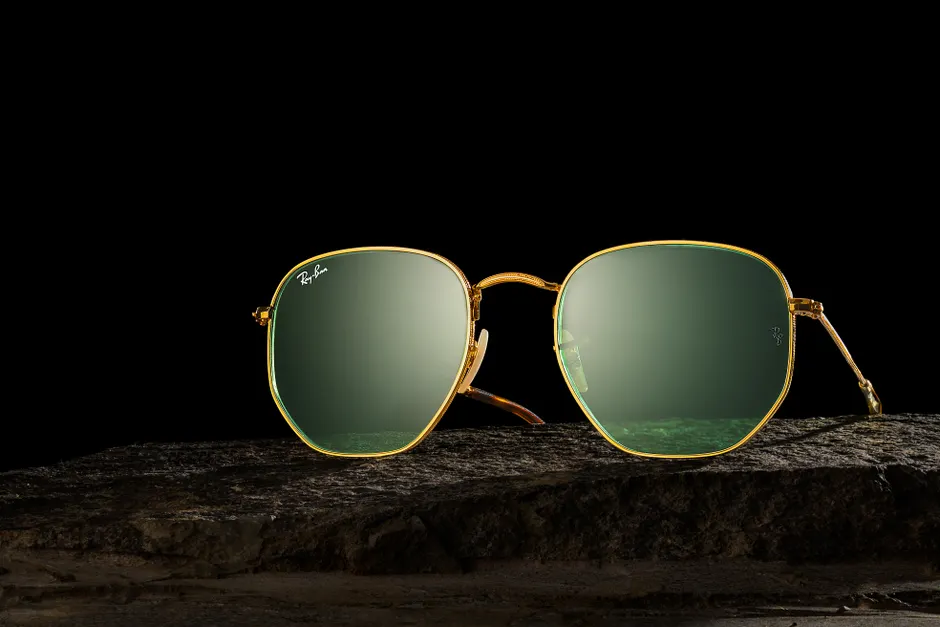
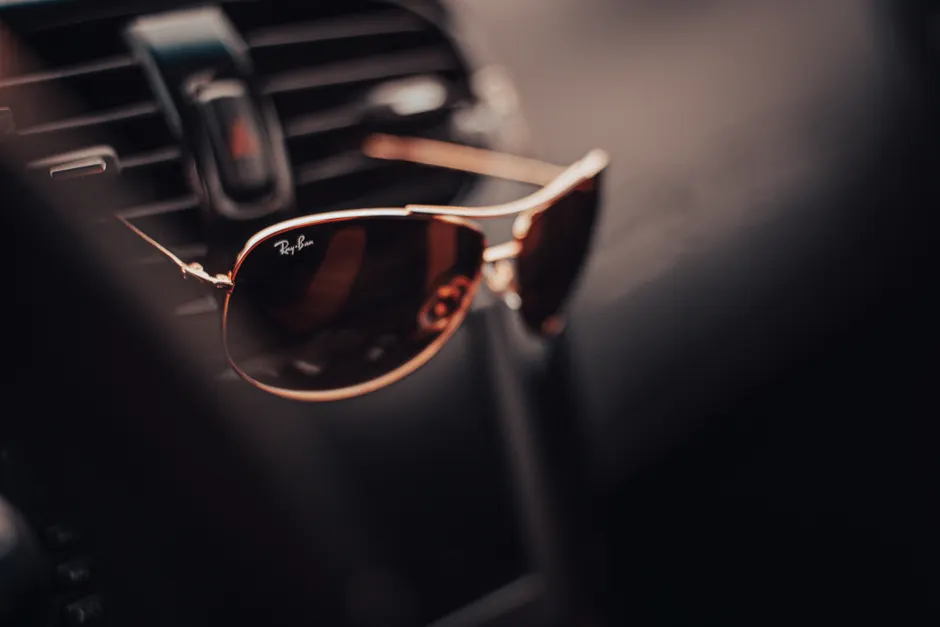
Meta will push a software update that disables the camera on its smart glasses when it detects that the device's privacy LED has been physically tampered with or destroyed, the company confirmed in July 2026. Alex Himel, Meta's VP of wearables, told The Verge that the update targets modders who have drilled into the LED housing on Ray-Ban Meta and related devices to defeat the recording indicator.
The LED sits on the front of the glasses and illuminates whenever the camera is capturing photo or video, a design meant to signal to bystanders that they may be on camera. Since the product's launch, a cottage industry of modification guides and third-party kits has circulated online, instructing users on how to physically disable or occlude the light while leaving the camera functional. The new update is a firmware-level countermeasure: rather than relying solely on the LED as a passive disclosure mechanism, the glasses will now actively monitor the light's operational status and cut camera functionality if it detects the LED has been damaged or removed.
This builds on a lighter-touch feature already present in Meta's second-generation glasses, which prompts users to uncover the recording light if it is blocked with tape or another object The Verge. That existing prompt addresses temporary occlusion; the new tampering-detection layer is aimed squarely at permanent, hardware-level modification — the drilled-out LED housing rather than a strip of electrical tape.
Meta has not published the exact detection method — whether it relies on a photodiode circuit, a continuity check across the LED's connection, or some combination — nor has it specified a rollout timeline for all affected models. The company's own FAQ addressing the glasses about.fb.com frames the change as part of an ongoing effort to reinforce the privacy signal the LED was designed to provide, without detailing engineering specifics.
The update follows a string of reports of the recording light being defeated in the field. In June 2026, BGR reported that several women had described being filmed without consent by people wearing Ray-Ban Meta glasses whose privacy LEDs had been blocked or modified BGR. Those accounts, combined with the visibility of LED-mod tutorials online, put pressure on Meta to demonstrate that the indicator light is more than a cosmetic disclosure that determined users can simply route around.
Regulatory and institutional responses have moved on a parallel track, independent of Meta's own product decisions. New York State is set to ban camera glasses from all courthouses later in July 2026, according to syracuse.com. Philadelphia courts have already banned all smart AI eyeglasses outright, with the NBC Philadelphia report noting that violators could face arrest. Neither jurisdiction's policy distinguishes between glasses with functioning privacy LEDs and those without; the bans are categorical, applied to the device class rather than to specific tampering behavior.
The tampering-detection update does not resolve the underlying tension that has dogged camera-enabled wearables since the original Google Glass rollout more than a decade ago: a light on the frame only communicates anything if the person being recorded happens to notice it and understands what it means. Courthouse bans sidestep that problem entirely by removing the ambiguity — no glasses, full stop — rather than trusting a hardware indicator to do disclosure work in a crowded public setting.
Worth flagging: Meta's fix addresses a specific, narrow failure mode — deliberate physical destruction of the indicator — and does so well. It does not address covert recording by other means, nor does it change the calculus for someone who simply doesn't register that a small green light on someone's temple means they're on camera. The gap between "the light works" and "bystanders understand what the light means" is a UX and public-awareness problem that firmware alone cannot close.
In this author's view, the more durable signal of where this technology is headed sits in the courtroom bans rather than in Meta's patch. Institutions writing categorical prohibitions into policy, rather than trusting an indicator light to self-regulate behavior, suggests that camera-glasses adoption is running ahead of any settled social contract about disclosure. That gap narrowed briefly with smartphones, largely because the visible act of holding a phone up to record became its own kind of disclosure. Glasses remove even that cue, which is precisely why the LED existed in the first place — and precisely why disabling the camera when the LED is defeated, rather than merely nagging the user, is the more defensible engineering response.
None of this diminishes the underlying utility case for AI glasses, which continues to expand with each hardware generation. But the privacy-LED saga is a reminder that consumer trust in a wearable camera platform is built or eroded one incident at a time, and that firmware fixes arrive only after the incidents already happened.