UK Prime Minister Convenes Second Cobra Meeting of 2026 as Heat, Wildfires, and Drought Converge

The UK prime minister will chair a Cobra emergency committee meeting on the afternoon of Wednesday 12 August 2026, as extreme heat, wildfires, and drought place simultaneous pressure on public services and water resources across England and Wales. Temperatures of 33C are forecast for Wednesday, rising to as high as 38C on Thursday, according to the Met Office.
It is the second time Cobra has convened on heatwaves this year, following a meeting during high temperatures in June. Ministers from Defra, the Home Office, and the health department, along with officials from the Environment Agency, will attend. A Downing Street spokesperson said the government understood that firefighters, farmers, and NHS staff were all facing challenges connected to the weather.
The Met Office has said the UK is on course for its hottest summer on record, with parts of the country now experiencing their fifth heatwave of the season. Rare amber "extreme heat" warnings have been issued for London, parts of the south-east, East Midlands, east of England, West Midlands, and South Yorkshire, running from 9am to midnight on Thursday. Met Office chief forecaster Chris Bulmer said high pressure is becoming dominant and temperatures will build day-by-day, with southerly and south-easterly winds tapping into hot conditions over Europe.
The wildfire picture is stark. Firefighters have responded to 966 wildfires across England and Wales so far this year, including 185 in the first ten days of August, according to the National Fire Chiefs Council. July was the busiest month on record for wildfires, with 458 incidents. On Tuesday, Fire Brigades Union general secretary Steve Wright warned the country faces a "national emergency" because of the wildfires.
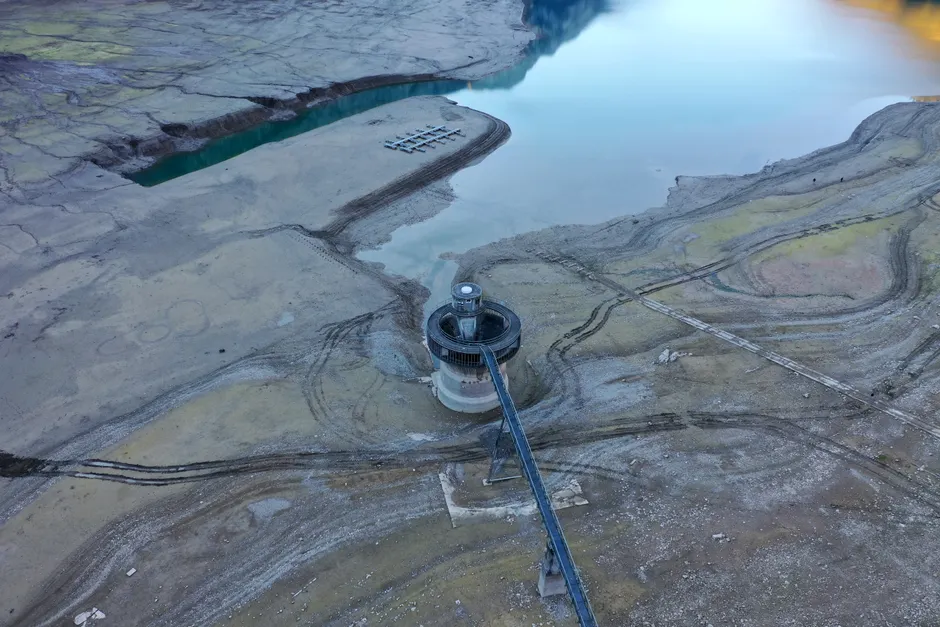
Drought conditions have intensified in parallel. The Environment Agency reports that 71.3% of England is now experiencing "flash drought," following the country's driest July on record. Nearly three-quarters of England and the whole of Wales are in drought, after a record dry July and a very dry start to August combined with high temperatures to put pressure on water resources. The National Drought Group had already stepped up its response after the UK's third heatwave of 2026 in July, when three heatwaves had already occurred and the outlook remained largely settled.
Southern Water has applied for a rare non-domestic drought order that would ban businesses from non-essential water use, including cleaning cars and filling swimming pools. The company cited an "exceptional" lack of rain threatening supplies in Hampshire and the Isle of Wight, and warned that 165,000 people in the Southampton West supply area could face restricted supplies. Environment secretary Angela Eagle will decide on the application, which would be the first such ban since May 2006.
The government has advised the public to pay attention to UK Health Security Agency heat alerts, drink plenty of fluids, and check in on family, friends, and neighbours at high risk. The Met Office's heatwave alert system includes a "Level 4" designation, which means illness and death may occur among the fit and healthy, not just in high-risk groups. The historical benchmark for such concern is the 2003 European heatwave, which caused around 35,000 premature deaths across northern Europe, including approximately 2,000 in the UK.
The convergence of these threads gives the Cobra meeting its significance. When wildfire response, drought management, water supply restrictions, and health service capacity all demand coordination simultaneously, the emergency committee mechanism becomes the venue where competing operational priorities across departments must be reconciled. The attendance of Defra, the Home Office, the health department, and the Environment Agency in a single room reflects the cross-cutting nature of the challenge: wildfire suppression requires fire service resourcing, drought declarations trigger water company decisions, and heat alerts place demand on the NHS at a time when the system is already under seasonal pressure.
The broader context here is one of escalating frequency. Two Cobra meetings on heat in a single year, five heatwaves in parts of the country, and a wildfire season that has already set records in July all point to a trajectory in which the UK's emergency planning infrastructure is being tested by conditions that would have been exceptional a decade ago. Southern Water's drought order application, if approved, would mark only the second such intervention in two decades, and the decision now rests with the environment secretary as temperatures continue to climb toward Thursday's forecast peak.