UK Convenes Second Emergency Cobra Meeting of 2026 as Fifth Summer Heatwave Pushes Temperatures Toward 38°C
The UK government convened an emergency Cobra meeting on 12 August 2026 in response to extreme heat, the second such meeting convened that year to address a heatwave. Prime Minister Andy Burnham chaired the meeting as parts of the country faced the fifth heatwave of summer 2026, with temperatures forecast to reach 38°C. The Guardian
The Met Office had issued an amber extreme heat warning covering large parts of England, in effect from 9am on 12 August through midnight the following day. The warning zone encompassed London, St Albans, Cambridge, Oxford, Milton Keynes, Peterborough, Leicester, Birmingham, Nottingham, Lincoln, and Sheffield. Temperatures were expected to reach 33°C on 12 August and climb to as high as 38°C the following day, with the Met Office indicating that peaks of around 37°C were likely in places. The Guardian The BBC reported that more UK weather records were broken during the August heatwave as temperatures were set to spike again. BBC
Summer 2026 is on course to be the UK's hottest summer since records began, according to the Met Office. The country recorded its second-warmest June and July on record, with temperatures hitting 38°C in June and 35°C in July. At the halfway point of the season, the UK mean temperature sat 1.8°C above the seasonal average, compared with 1.1°C above average at the same point in 2025. A Met Office outlook published on 21 July had already suggested heat could return later in August, though it cautioned that further heatwaves would depend on how strongly weather patterns developed. Met Office Met Office
The Met Office had previously extended extreme heat warnings from Monday through Thursday during an earlier June heatwave, with temperatures widely exceeding 35°C and reaching 38°C. Met Office
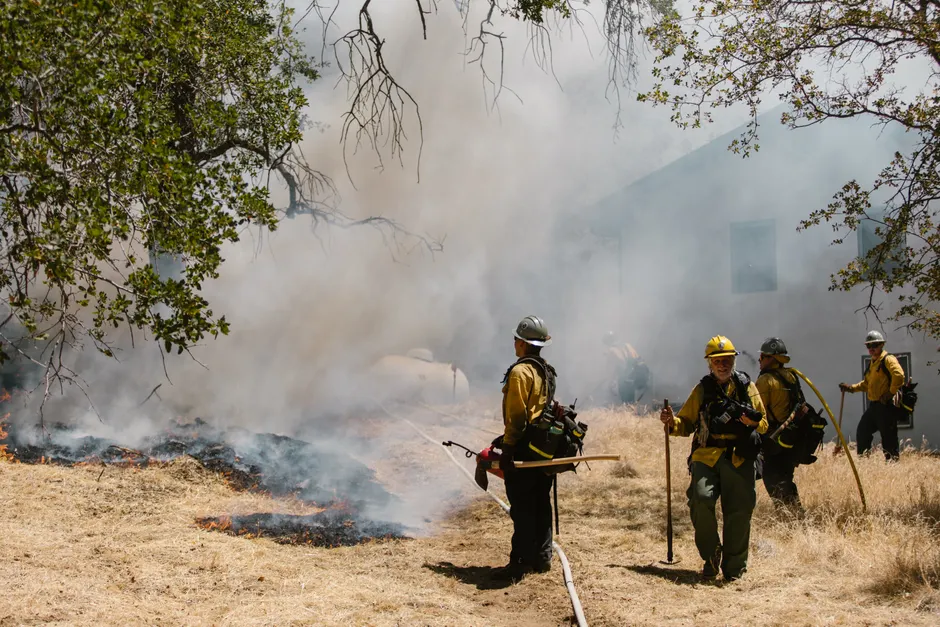
The wildfire picture has grown acute. The National Fire Chiefs Council reported that firefighters responded to 966 wildfires across England and Wales in 2026, including 185 in the first ten days of August alone. A blaze at Dunwich Heath in Suffolk burned through over 371 acres (150 hectares) of heathland and required more than 600 firefighters to bring it under control. The Guardian
Fire Brigades Union general secretary Steve Wright said the country faced "a national emergency," with wildfires seen across the UK. The Guardian
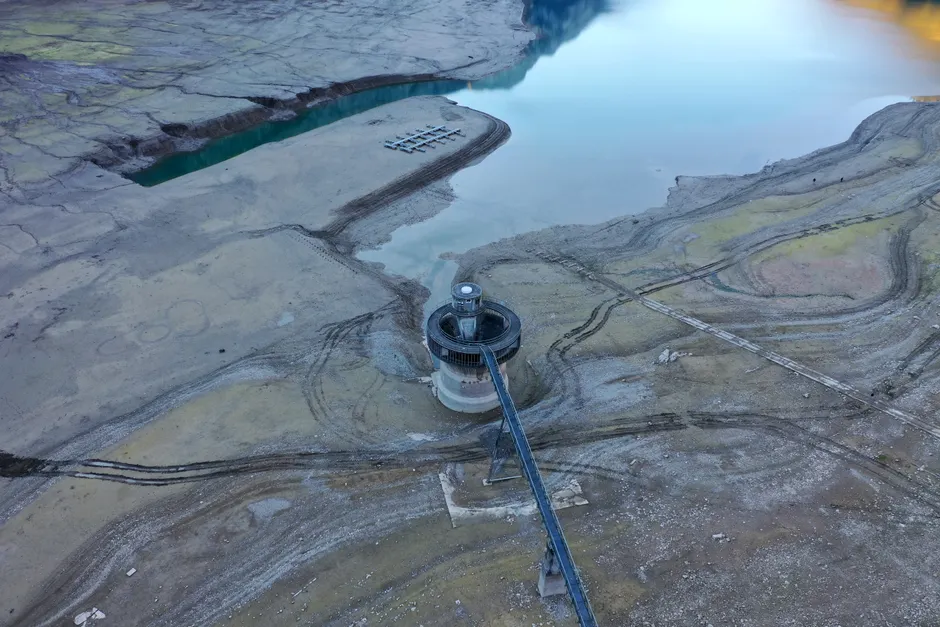
Drought conditions compound the strain. Nearly three-quarters of England and the entirety of Wales were in drought as of August 2026. Southern Water applied for a drought order that would restrict businesses in Hampshire and the Isle of Wight from using water for non-essential activities. If approved by environment secretary Angela Eagle, the order would be the first such ban since May 2006. The Guardian
The convergence of record-setting heat, cascading wildfire activity, and deepening drought creates a compounding risk profile that UK emergency management structures were not designed around. Cobra (Cabinet Office Briefing Room A) is the government's crisis coordination mechanism, typically activated for terrorism, major accidents, or public health emergencies. Its twice-invoked use for heat in a single year signals that extreme heat is now being treated at the operational level as a civil contingency on par with those categories. The first drought order in two decades, if granted, would formalize what hydrologists have been tracking through the summer: a systemic water-stress event across multiple regions, not an isolated supply shortfall.
The seasonal trajectory offers little room for optimism. With the Met Office already confirming that 2026 is tracking as the warmest summer on record and five separate heatwave episodes logged before mid-August, the baseline conditions (dry fuel loads, depleted reservoirs, stressed fire services) will persist into autumn regardless of any short-term temperature relief. The decision pending before the environment secretary on the Southern Water drought order will be a closely watched test of whether the government is prepared to impose restrictions on commercial water use at a scale it has not contemplated in twenty years.