Boat Capsizes on Lake Kariba in Zimbabwe: Overloading and Bad Weather Suspected as Rescue Operations Continue

A vessel carrying over 90 people capsized on Lake Kariba in northern Zimbabwe on Tuesday, August 11, 2026, with multiple people feared dead and rescue operations under way. The Zimbabwe Republic Police confirmed the incident and said the boat was carrying 90 passengers and five crew when it overturned, though it may have been overloaded. Rescue and recovery efforts are ongoing, and police said more details, including the number of people who died and those rescued, would be released in due course. (BBC)
The discrepancy in passenger counts is significant. Zimbabwe police put the number at 95 (90 passengers plus five crew). However, the AP news agency quoted Zimbabwe's Civil Protection Unit as saying registered ticket sales showed 114 adults were on board, with possibly an unknown number of children below ticketing age. If the CPU figures are accurate, the vessel was carrying substantially more people than the police count suggests, raising immediate questions about capacity enforcement on lake transport. (BBC)
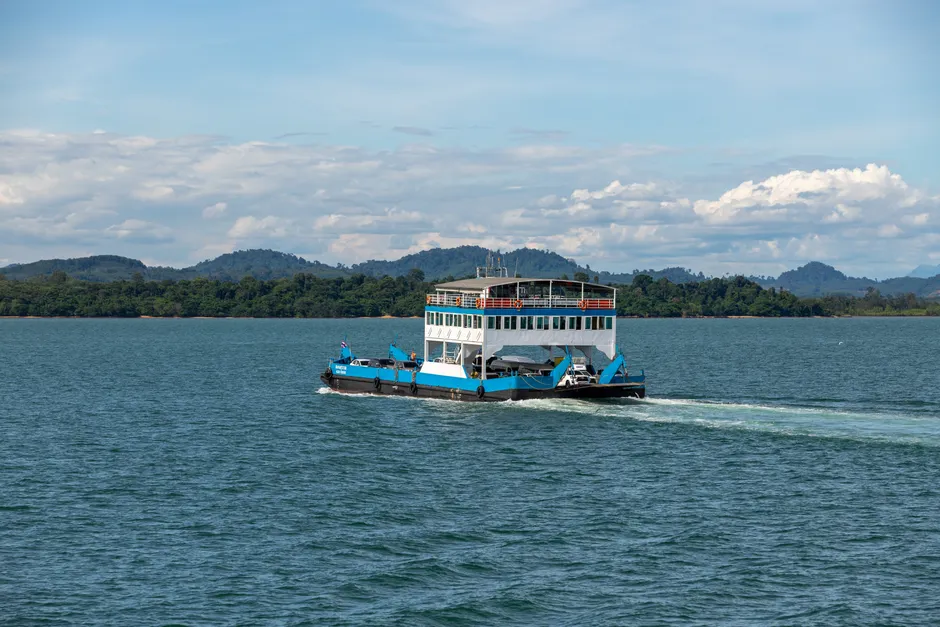
The capsized vessel was a Rural Infrastructure Development Agency (RIDA) boat, according to ZBC News. (ZBC News) Local member of parliament Mutsa Murombedzi posted a video on X of the boat at the start of the journey, explaining that locals used it to travel across the lake to Kariba town, a journey of about five hours. The route is a regular transport link for lakeside communities.
A witness who spoke to AFP said the vessel left in the morning in bad weather and may have been hit by a wave and overturned. ZBC News reported more specifically that the boat was hit by a strong wave that caused water to fill the engine compartment about a kilometre from Andorra Harbour. The combination of adverse weather, possible overloading, and water ingress into the engine compartment points to a cascading failure scenario in which no single factor alone may have been sufficient to capsize the vessel. (BBC; ZBC News)
Early breaking reports on August 11 indicated that at least five people were feared dead and three others had been rescued. By August 12, Al Jazeera reported the death toll had been revised upward to at least 15. The evolving casualty figures reflect the early stage of the rescue operation and the difficulty of confirming fatalities on a large body of water with limited visibility and challenging conditions. (ZBC News; Al Jazeera)
Lake Kariba straddles the border between Zimbabwe and Zambia and is one of the world's largest man-made reservoirs. It supports transport, fishing, and hydroelectric power generation for both countries. The lake's economic role means that vessels of varying sizes and regulatory compliance operate on its waters, serving communities that depend on lake transport for access to towns, markets, and services. The five-hour crossing to Kariba town that Murombedzi described underscores the distances involved and the reliance on boats that may not meet commercial ferry standards.
The conflicting passenger manifests, if confirmed, point to a familiar pattern in inland waterway accidents across the region: ticketed passengers supplemented by unticketed travellers, often children, who are not recorded on official manifests. This complicates both rescue planning and accountability after the fact. The CPU's reference to "an unknown number of children below ticketing age" is a particular concern, as children are disproportionately vulnerable in capsizing events and are the hardest to account for in recovery operations.
The involvement of a RIDA boat rather than a private commercial operator also raises governance questions. If the vessel was state-affiliated infrastructure, the expectations around maintenance, capacity compliance, and weather-related operational decisions carry different weight than they would for an informal private operator. Whether RIDA had protocols for suspending service in adverse weather, and whether those protocols were followed, will likely be central to any subsequent investigation.
Zimbabwe has experienced major lake and river transport accidents before, and each has prompted calls for stricter enforcement of passenger limits, mandatory life jacket requirements, and weather-based sailing restrictions. Whether this incident produces durable regulatory change or remains another tragedy followed by interim measures and gradual amnesia depends on political will and resource allocation that extend well beyond the immediate rescue phase.
For now, the operational picture remains fluid. Rescue teams are working at the site, the death toll is uncertain and rising, and the full passenger count has not been definitively established. The gap between 95 (the police figure) and 114-plus (the CPU's ticketed figure) is itself a measure of how much remains unknown.