Zimbabwe's Lake Kariba Ferry Disaster: Death Toll Rises to 44 as Search Continues

At least 44 people died after an overcrowded ferry capsized on Lake Kariba in northern Zimbabwe on Tuesday, August 11, 2026, according to police who revised the toll upward twice on Wednesday afternoon The Guardian.
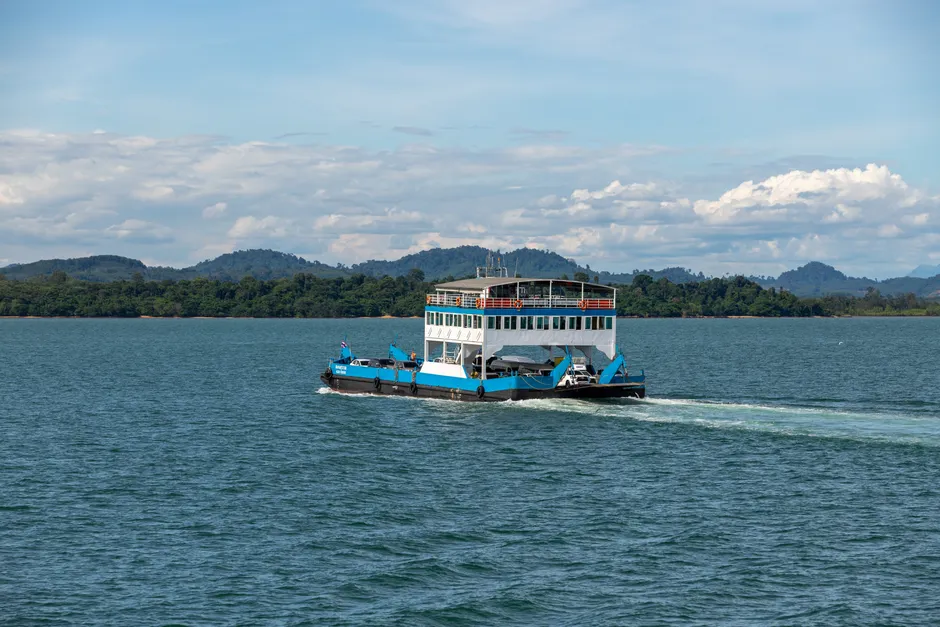
The ferry, identified by Zimbabwe's national broadcaster ZBC as a Rural Infrastructure Development Agency (RIDA) vessel, had a certified capacity of 90 people but was carrying 114 adult passengers, five crew members, and an unknown number of children, according to Zimbabwe's civil protection unit (CPU), which cited ticket sales The Guardian. A crew member told ZBC the actual number onboard was 153 when the ferry overturned after hitting large waves. The vessel capsized near Long Island in the afternoon, according to The Herald The Herald.
A passenger told ZBC that the boat began taking on water about 30 minutes after departing the lakeshore town of Kariba, heading for islands and fishing camps. A survivor described luggage beginning to fall overboard shortly after the RIDA boat left the harbour, an early indication of instability consistent with an overloaded vessel.
The death toll evolved rapidly over 24 hours. The CPU initially confirmed 15 deaths with 27 people known missing. The Herald, reporting on August 11, also cited 15 confirmed dead and 77 rescued. By the morning of August 12, Reuters reported that fifteen bodies had been recovered Reuters. Then, on Wednesday afternoon, Zimbabwe police posted two updates on X within 32 minutes, first reporting 38 deaths and then 44 known deaths.
The CPU flew a specialised underwater team to the area as search and rescue operations continued through Wednesday. Rescue teams remained on the lake, ZBC reported.
Lake Kariba is the world's largest human-made lake by volume, stretching roughly 150 miles along Zimbabwe's northern border with Zambia. It was created in the 1950s during British colonial rule when the Zambezi River was dammed, a project that displaced approximately 57,000 people. The Kariba Dam supplies at least a third of both Zambia's and Zimbabwe's electricity, making the lake both a vital transport corridor for lakeshore communities and a strategically critical piece of energy infrastructure for both nations.
The broader context here is that Lake Kariba has a documented history of fatal maritime incidents, particularly involving overcrowded vessels. In 2014, 26 people, 24 of them children, drowned in Zambia's part of the lake when a boat transporting them to independence day celebrations capsized. On the Zimbabwean side, five people drowned in a 2021 boat incident and three were feared dead in an October 2023 capsizing. The pattern points to a persistent regulatory and enforcement gap on a body of water that serves as a lifeline for remote fishing camps and island communities with limited road access.
The discrepancy between the CPU's ticket-sale-based count of 119-plus passengers and the crew member's figure of 153 underscores the difficulty of establishing manifest accuracy on vessels serving informal lake routes. Children, who may not have been ticketed, further complicate the accounting. The gap between certified capacity and actual load, whether 119 or 153, is the central operational fact: the vessel was carrying at least 30% more passengers than its rated capacity, and possibly closer to 70% more, in conditions that produced large waves.
For a ferry serving islands and fishing camps on a lake known for sudden weather shifts, the margin between a routine crossing and a mass-casualty event appears to have been measured in passenger count and wave height. Whether Zimbabwe's regulatory authorities respond with enforceable load limits and inspection regimes for RIDA-operated ferries will determine whether this disaster registers as a turning point or another entry in a recurring pattern.