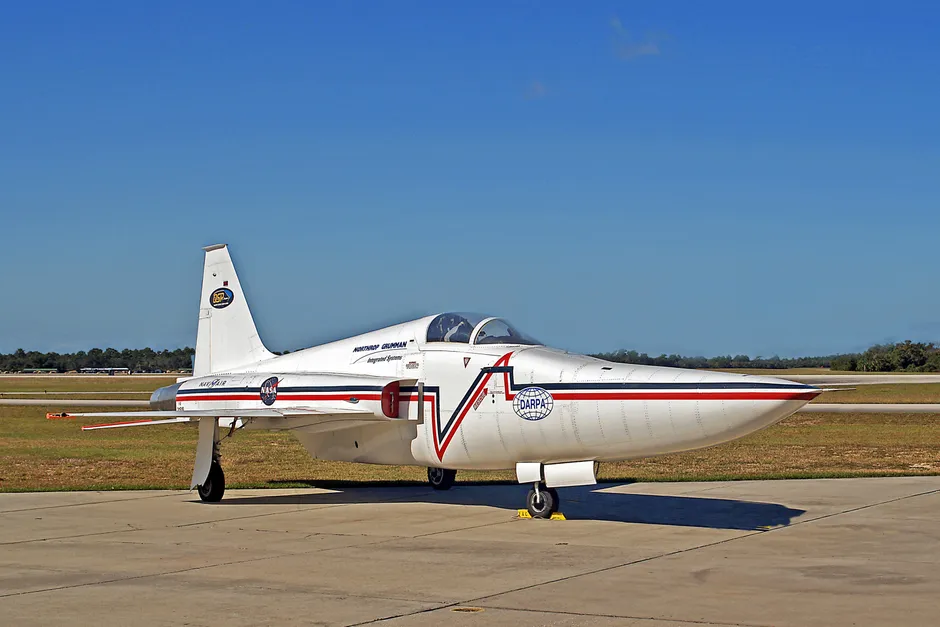
Heart Aerospace's X1 demonstrator completes first all-electric flight

Heart Aerospace's X1 demonstrator, a full-scale prototype all-electric aircraft, completed its first flight on August 12, 2026, at Plattsburgh International Airport in Upstate New York. The aircraft flew for 27 minutes, reaching an altitude of 1,100 feet on battery power alone. The entire flight, including takeoff and landing, consumed less than $5 worth of electricity. Heart Aerospace reports that the X1 is the largest electric aircraft ever to fly. (Engadget, Heart Aerospace)
The X1 is a full-scale demonstrator representative of Heart Aerospace's planned ES-30 production aircraft, designed to validate key technologies and aerodynamics. It is described by the company as the heaviest electric vehicle ever built, designed to move up to 30 passengers. The demonstrator has a maximum speed of 259 km/h and a maximum altitude of 2,000 feet. (Heart Aerospace, Heart Aerospace on YouTube)
The FAA issued Heart Aerospace a Special Airworthiness Certificate for the X1 on July 23, 2026, clearing the way for the start of the demonstrator flight test campaign at the Plattsburgh base. The company had transported the full-scale X1 demonstrator aircraft to the United States in advance of the first flight. (Heart Aerospace, Heart Aerospace on Instagram)
Heart Aerospace plans to follow the X1 with the ES-30, a fixed-wing 30-seat hybrid aircraft designed to service regional airports. The ES-30 targets an all-electric range of 125 miles, rising to 500 miles with its hybrid engine. The company aims for the ES-30 to enter service by 2031. Executives at United Airlines and Air Canada praised the X1 and expressed interest in adding electric planes to their fleets. (Engadget)
The operating cost figure stands out as the headline metric for the expert audience. An entire flight cycle for less than five dollars of electricity is a data point that speaks directly to the unit economics of electric aviation, bypassing the hype cycle that often accompanies climate-tech milestones. Whether that cost figure scales linearly to a 30-seat production aircraft carrying a real payload over 125 miles is the open question the X1 test campaign is now positioned to answer.
The flight envelope reported here, 27 minutes at 1,100 feet, is a conservative first-hop profile typical of initial airworthiness validation. The X1's documented maximums of 259 km/h and 2,000 feet suggest substantial headroom remains for the test team to expand the envelope in subsequent flights. The ES-30's target ranges of 125 miles all-electric and 500 miles in hybrid mode place the production aircraft squarely in the regional aviation segment, where routes under 500 miles have faced persistent economic pressure from pilot costs, fuel volatility, and competition from surface transport. The 2031 service entry target gives Heart Aerospace roughly five years to move from demonstrator validation through certification, a timeline that is ambitious but not unprecedented for a clean-sheet regional aircraft program.