Christian Eriksen Collapses Again — and His ICD Does Its Job
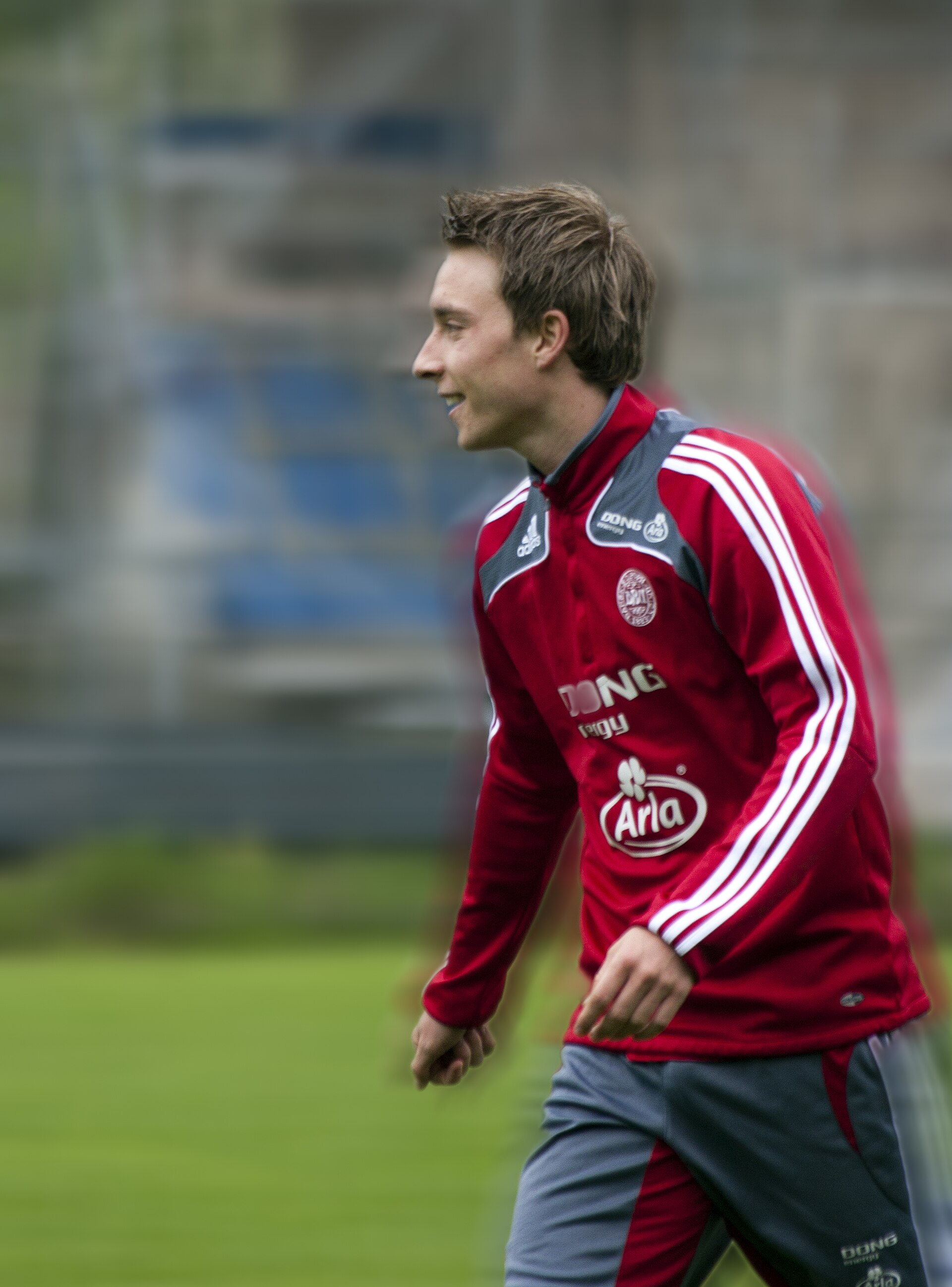
Eriksen Collapses in the 65th Minute
Christian Eriksen collapsed on the pitch during Denmark's friendly against Ukraine on June 8, 2026 — five years after a cardiac arrest at Euro 2020 that halted play, shocked a global television audience, and forced an immediate reckoning with cardiac safety protocols across professional football. This time, however, the outcome turned on a piece of hardware already sitting inside his chest.
According to BBC Sport, Eriksen went down in the 65th minute. Denmark's team doctor, Morten Boesen — the same physician present at the 2021 incident — subsequently released a statement confirming that the implantable cardioverter-defibrillator in Eriksen's chest responded as it should, per Yahoo Sports.
That is the critical sentence. Not that Eriksen collapsed, but that the device activated correctly.
What an ICD Does — and Why It Matters Here
An ICD is a small, battery-powered device implanted subcutaneously or just beneath the pectoral muscle, connected to the heart via one or more leads. Its core function is continuous rhythm monitoring. When it detects a life-threatening arrhythmia — ventricular fibrillation or ventricular tachycardia — it delivers a controlled electrical shock to restore sinus rhythm, effectively acting as an internal defibrillator that responds within seconds, faster than any medical team could intervene from a touchline.
As The Athletic reported on June 8, 2026, the device works by correcting abnormal heart rhythms and discharging when necessary. In Eriksen's case, that discharge appears to have done precisely what it was engineered to do before external intervention was required.
This distinction — internal versus external defibrillation — carries clinical and procedural weight. In 2021, Eriksen's life was preserved by a rapid CPR response from teammates and the swift deployment of an AED by medical staff. The margin was narrow. An ICD eliminates much of that margin by acting autonomously, within the chest, in the seconds immediately following onset.
The Device's History in Eriksen's Career
Following his cardiac arrest at Euro 2020, Eriksen underwent surgery and had an ICD implanted. At the time, UEFA's then-current regulations created an immediate problem: the governing body's rules effectively barred players with ICDs from competing in UEFA competitions, a policy that prevented Eriksen from returning to Inter Milan. He subsequently joined Brentford in January 2022, playing in the Premier League — a league whose medical regulations did permit ICD-implanted athletes to compete under appropriate clinical oversight.
Speaking publicly in February 2022, Eriksen said he had no qualms about playing with the ICD implant, Reuters reported. That stance, expressed then, now carries a different kind of resonance. He was not wrong to trust the technology.
His return to elite football at Brentford, and later at Manchester United and back on the international stage with Denmark, was always accompanied by a question that no one could fully answer in advance: would the device hold up under the specific cardiac stresses of professional match play? June 8, 2026 provides a data point, albeit a sobering one, on that question.
A Pattern That Football Has Seen Before
We have seen this pattern before in elite sport — the intersection of advanced cardiac intervention and competitive return-to-play decisions — but rarely so publicly and rarely with such direct before-and-after comparison. The debate following Marc-Vivien Foé's death on the pitch during the 2003 Confederations Cup, or Piermario Morosini's cardiac arrest in 2012, each produced waves of policy review and medical protocol tightening. What distinguishes Eriksen's situation across both 2021 and now is the degree to which the medical response has been visible, documented, and subject to public accountability. Dr. Boesen's prompt statement is itself part of that accountability architecture — a signal to governing bodies, clubs, players, and their families that monitoring and transparency are active, not performative.
What Happens Next
Boesen's confirmation that the ICD responded correctly will likely trigger several parallel processes. First, Eriksen's device data will be reviewed by his cardiologists; modern ICDs log every detected event and therapy delivery, giving clinicians a granular record of what occurred in the 65th minute and in the minutes preceding it. Second, Danish football authorities and UEFA — which has since updated its regulations regarding ICD-implanted players — will almost certainly conduct their own medical reviews before any return-to-play decision is considered. Third, the incident will feed into the ongoing clinical literature on ICD use in competitive athletes, a body of evidence that has grown meaningfully since 2021 but remains contested in terms of risk thresholds.
The immediate question of Eriksen's participation in the 2026 FIFA World Cup — scheduled to begin in North America later this month — will now be subject to that full medical review process. Whether he features depends not on public sentiment but on cardiological assessment and the governing body's protocols.
The Broader Stakes for Athlete Cardiac Care
The June 8 incident also arrives at a moment when cardiac screening in professional football is more rigorous than at any prior point in the sport's history, yet still inconsistent across confederations and national leagues. Pre-competition ECG screening, echocardiographic assessment, and established emergency action plans are now standard in top-tier European competitions, but implementation depth varies below the elite level.
Eriksen's case — because of its visibility and its narrative continuity from 2021 through today — has functioned as a sustained public argument for those protocols in a way that institutional white papers rarely achieve. The fact that the ICD activated correctly on June 8 is not a vindication of complacency; it is a confirmation that the clinical decision made in 2021, and the regulatory accommodation that followed, produced the intended outcome under real match conditions.
That is worth stating plainly. The device worked.