
Sports
France rally from 14 points down to edge Wallaroos 29-26
Carys BevanBased on 5 sources3 min read•2m ago
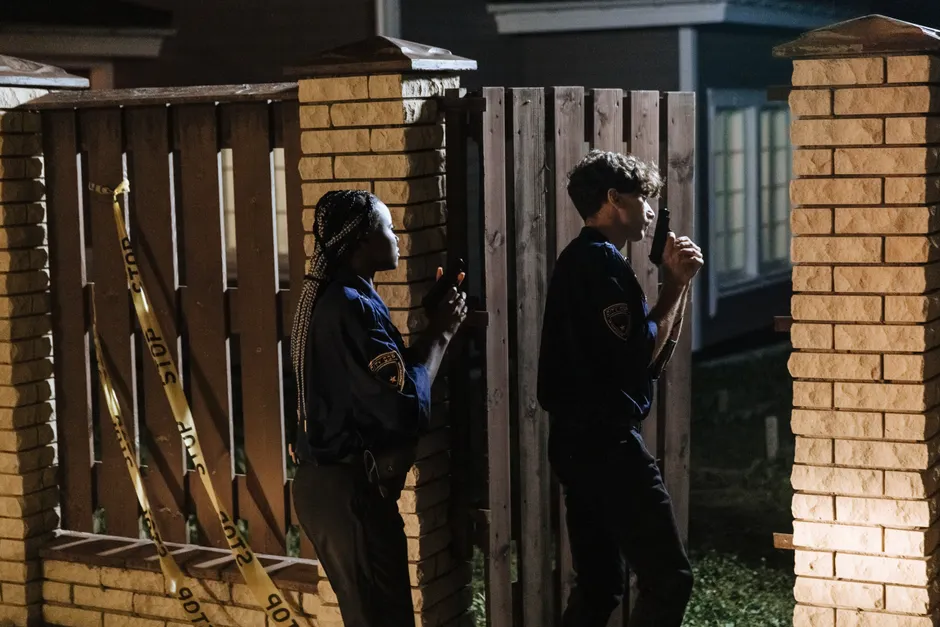
Police charged three men after three separate deaths in NSW on Saturday. This explainer breaks down what police allege in each case and the court process ahead.

Ed Sheeran opened his Sept. 19 solo concert in Philadelphia with remarks on Gaza, calling the situation catastrophic and unjustifiable. The speech followed the removal of opener Macklemore and further withdrawals from his tour.

How 55 bills, 48 meeting mornings, urgency and shortened deadlines stretched the Justice Committee and the select committee system.

Ruby Rose has paid tribute to Hayden Panettiere as her best friend, saying they spoke daily for five years. Panettiere died on Aug. 16 at age 36, with an investigation into her death still ongoing.

Brisbane edged Hawthorn in a dramatic AFL preliminary final at the MCG, with Hugh McCluggage kicking the winner after a controversial late holding-the-ball call. Hawthorn players confronted umpires and fans threw bottles, prompting condemnation from coach Sam Mitchell and the AFL Fans Association.

Mark Ruffalo publicly urged California Attorney General Rob Bonta and 11 other states not to settle their antitrust case blocking Paramount Skydance's $111 billion Warner Bros. Discovery takeover. The plea follows an unconfirmed report of settlement talks and comes ten days before a key merger payment deadline.

California's Sept. 19 election package sets reporting rules, mail-ballot processing standards, and penalties while keeping universal vote-by-mail for November.

Ed Sheeran used his Philadelphia show on Saturday night to address Macklemore's removal from his US tour and to state his position on Israel, Gaza and the West Bank. He said the removal decision was not his and criticised pressure from venues. He called the Gaza crisis catastrophic and said he is seeking ways to help victims.

Prime Video has cancelled 'Ride or Die' after one season. The eight-episode action dramedy starring Octavia Spencer and Hannah Waddingham premiered on 15 July 2026. The decision was reported on 20 September 2026.

Ed Sheeran returned solo in Philadelphia, addressed Macklemore's removal for the first time, and faced ticket and staffing fallout as the Loop Tour continues.
Ed Sheeran opened his Sept. 19 solo concert in Philadelphia with remarks on Gaza, calling the situation catastrophic and unjustifiable. The speech followed the removal of opener Macklemore and further withdrawals from his tour.
Ruby Rose has paid tribute to Hayden Panettiere as her best friend, saying they spoke daily for five years. Panettiere died on Aug. 16 at age 36, with an investigation into her death still ongoing.
Mark Ruffalo publicly urged California Attorney General Rob Bonta and 11 other states not to settle their antitrust case blocking Paramount Skydance's $111 billion Warner Bros. Discovery takeover. The plea follows an unconfirmed report of settlement talks and comes ten days before a key merger payment deadline.
Ed Sheeran used his Philadelphia show on Saturday night to address Macklemore's removal from his US tour and to state his position on Israel, Gaza and the West Bank. He said the removal decision was not his and criticised pressure from venues. He called the Gaza crisis catastrophic and said he is seeking ways to help victims.
Police charged three men after three separate deaths in NSW on Saturday. This explainer breaks down what police allege in each case and the court process ahead.
California's Sept. 19 election package sets reporting rules, mail-ballot processing standards, and penalties while keeping universal vote-by-mail for November.
Ed Sheeran returned solo in Philadelphia, addressed Macklemore's removal for the first time, and faced ticket and staffing fallout as the Loop Tour continues.

Former students accuse Lombok pesantren leader Ahmad Imanuddin Sumar of assault, a case that points to wider enforcement problems in Indonesia's Islamic boarding schools.

Flock Safety turned to voluntary buyouts as city contracts ended and morale slipped, leaving layoffs as the backup plan.

Meta's Muse cited private Messages without granted access, then gave a false technical explanation. Meta says access is opt-in — the deeper issue is that the agent invented its reasoning.

Trump proposed renaming AI, forming an AI Force, and appointing a new AI Czar while pushing back on oversight calls amid agent warnings.

SpaceX targets Sept. 28 for Starship's first orbital flight, a 10-hour, six-orbit mission carrying 26 working Starlink V3 satellites.
Brisbane edged Hawthorn in a dramatic AFL preliminary final at the MCG, with Hugh McCluggage kicking the winner after a controversial late holding-the-ball call. Hawthorn players confronted umpires and fans threw bottles, prompting condemnation from coach Sam Mitchell and the AFL Fans Association.

Pat Brown stopped John Hedges in the sixth round at Co-op Live Arena in Manchester on 19 September 2026 to win the vacant British and Commonwealth cruiserweight titles and extend his knockout record to 7-0.

Barcelona beat Sevilla 3-1 away on 19 September 2026 to extend their La Liga lead. Raphinha scored all three goals, his second successive hat-trick, taking him to 12 league goals.

Brisbane beat Hawthorn to reach a fourth straight AFL grand final and will face minor premier Fremantle at the MCG next Saturday, with coach Chris Fagan urging his experienced side to chase a three-peat.
How 55 bills, 48 meeting mornings, urgency and shortened deadlines stretched the Justice Committee and the select committee system.

The Greens propose ending one-way rent reviews for small business and giving councils power to auction long-empty shops.

Labour would separate wholesale from retail at Foodstuffs and Woolworths to help smaller grocers. How operational separation would work and how it differs from National's plan.

National pledges no screens in early childhood centres and limits in Years 1-3, plus a School Start Check, if re-elected.

Three top Russian diesel refineries cut output after drone strikes, straining a refinery system already at peak runs and keeping oil above $100.

U.S. stocks edged lower Sept. 18 as 5% Treasury yields pressured valuations after a chip-led rebound and Bitcoin above $80,000.

UBS placed Palantir ($175.18, -1.5% YTD) in a 14-name AI basket and called it cheap versus peers with a rebound ahead. Level versus path matter, and broad AI spending does not guarantee gains for any one vendor.

Bastion won preliminary conditional OCC approval for a national trust bank, extending a 2025-2026 pipeline of digital-asset charters that still must meet conditions before operating.