Maternal Blood Tests Move Closer to Full Fetal Genome Analysis
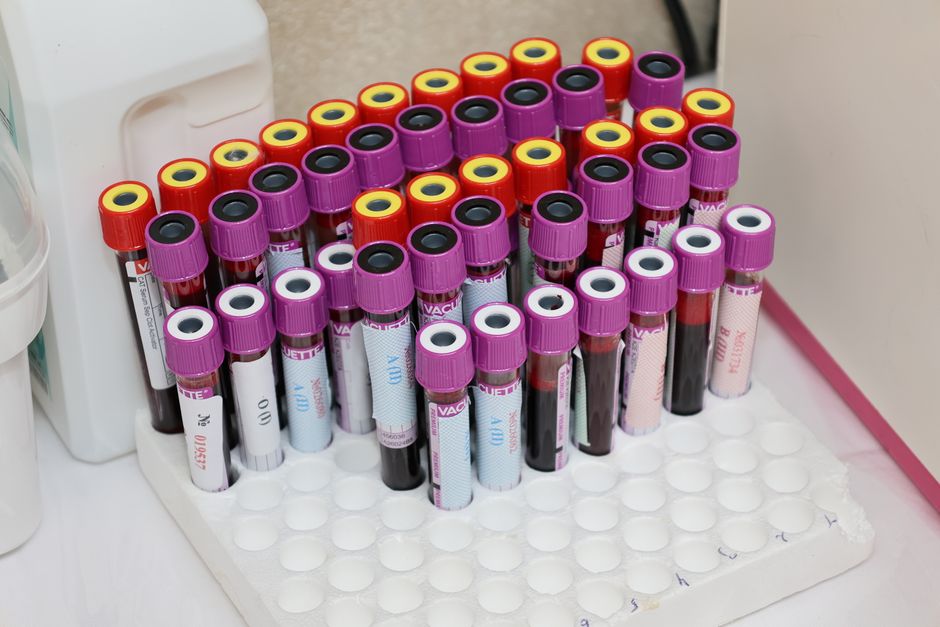
Researchers presenting at the European Society for Human Genetics (ESHG) Conference in Gothenburg, Sweden — running 13–16 June 2026 — are advancing a class of maternal blood-based diagnostics capable of characterising a fetus's complete genetic makeup without invasive procedures.
Non-invasive prenatal testing (NIPT) has been in clinical use for over a decade, drawing on cell-free fetal DNA circulating in maternal plasma to screen for aneuploidies including trisomy 21. The approach being discussed at ESHG 2026 extends that principle considerably: rather than targeted screening, a single maternal blood draw can now support whole-genome sequencing of the fetus, offering a direct alternative to amniocentesis or chorionic villus sampling.
The biological mechanism relies on two overlapping DNA sources. Circulating cell-free fetal DNA — shed predominantly by placental trophoblasts and present at detectable levels from around ten weeks of gestation — has long anchored NIPT. More recently, intact circulating trophoblasts recoverable from maternal blood have attracted attention as a complementary source, providing whole fetal cells rather than fragmented DNA, which researchers have noted allows genetic analysis of both maternal and fetal genomes from the same sample.
The diagnostic reach of blood-based fetal sequencing was flagged as early as 2012, when Reuters reported that whole fetal genome reconstruction from maternal blood was technically feasible — positioning it even then as a less invasive alternative to amniocentesis. What has changed in the intervening years is cost, depth of sequencing, and clinical infrastructure. Short-read whole-genome sequencing has dropped in price by orders of magnitude, and bioinformatic pipelines for deconvolving maternal and fetal signal have matured substantially.
Earlier applications were narrower. A 2010 study covered by Reuters showed maternal blood could reliably establish fetal sex in early pregnancy — clinically relevant where a mother carries an X-linked disorder such as haemophilia A, since knowing whether the fetus is male determines whether further diagnostic workup is warranted. That single-marker application now looks modest against the prospect of genome-wide variant detection from the same vial.
The clinical stakes are real. Amniocentesis carries a procedural miscarriage risk — typically quoted at around 0.1–0.5% depending on centre volume and technique — and is generally offered only after screening has flagged elevated risk. A non-invasive route to equivalent or superior diagnostic information would reshape the risk-benefit calculus for a substantial number of pregnancies, particularly for variants of uncertain significance and rare monogenic conditions that current cell-free DNA panels do not routinely capture.
The ESHG 2026 gathering is a natural venue for this work. The conference draws clinical geneticists, laboratory scientists, and genetic counsellors who must translate sequencing capability into practice, and the society has historically been engaged with the regulatory and ethical frameworks that govern prenatal genetic testing in European health systems. The questions being actively worked through are not only technical: the expansion of fetal genomic information — particularly incidental findings and variants of unknown significance — requires updated consent architectures, counselling capacity, and policy guidance on what clinicians are obligated to report.
For now, the trajectory is toward broader and earlier genomic characterisation of the fetus through the least invasive means available. How quickly that moves from conference presentation to clinical standard depends on regulatory pathways in individual jurisdictions and on whether health systems choose to fund testing at scale. Those decisions will take longer than the sequencing itself.


