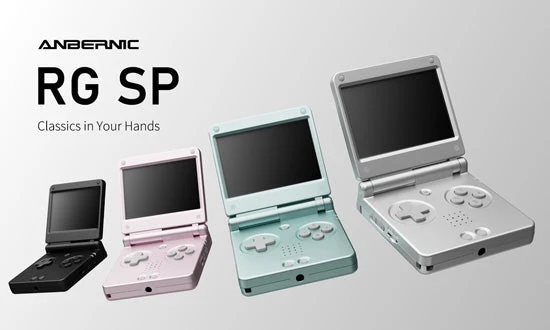
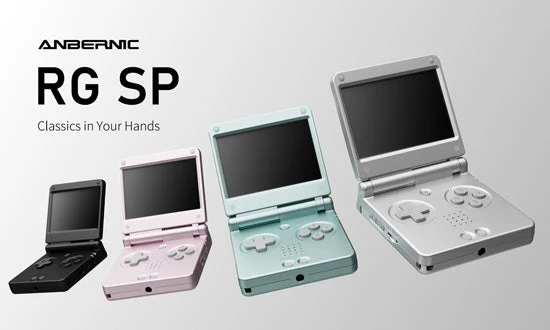
Anbernic Begins Selling Replacement Parts for Its Handheld Consoles
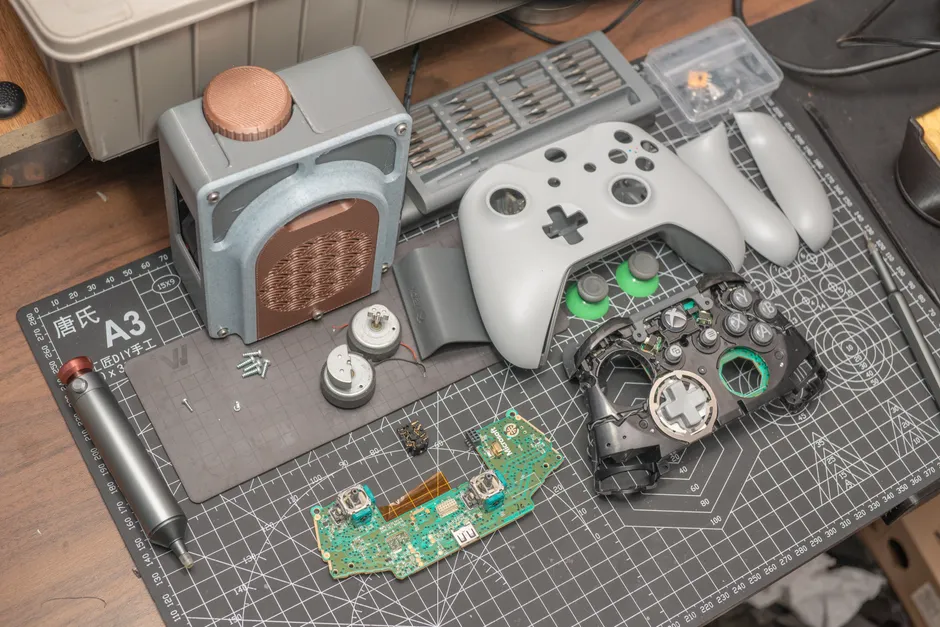
Anbernic has started offering replacement and repair parts for its line of retro handheld gaming devices, with the company providing those parts free of charge to customers within the standard 12-month warranty window, according to Anbernic's official site.
The move is a meaningful shift for a segment of the market where post-sale serviceability has historically been an afterthought. Anbernic, the Shenzhen-based manufacturer whose RG-series devices have cultivated a substantial following among emulation enthusiasts and retro gaming communities, has until now left owners to source spare components through third-party channels — a fragmented, unreliable process for a consumer base that skews technically capable and expects hardware longevity.
Replacement parts availability matters more in this niche than in, say, mainstream console gaming. Anbernic's customers are by disposition hands-on: they flash custom firmware, modify button mappings, swap storage, and generally treat their devices as platforms rather than sealed appliances. A broken analog stick or a worn shoulder button is not a reason to buy new hardware when the rest of the unit runs perfectly. That user profile makes OEM parts supply a genuine quality-of-life issue, not a nice-to-have.
The warranty-period provision — free replacement parts within 12 months of purchase — aligns Anbernic with the kind of after-sales expectation that European and North American consumer protection frameworks increasingly codify, even if Anbernic's primary manufacturing and sales context is China. Whether the free-parts offer extends to international buyers with the same frictionlessness it does domestically is a practical question the community will stress-test quickly.
Worth flagging here: the retro handheld space has expanded sharply over the past three years, with Anbernic competing against Retroid, Ayaneo, and a cluster of smaller Shenzhen-origin brands. In that context, parts availability is a differentiator with real commercial logic behind it. A buyer choosing between comparable hardware at similar price points — and these devices often land in the $50–$200 range — will factor repairability into the decision, particularly given the growing influence of right-to-repair discourse in the communities that drive word-of-mouth for these products.
The right-to-repair movement, which has won legislative traction in the EU and several US states over the past few years, has made OEM parts supply a reputational as well as a legal consideration for hardware makers. Anbernic is a small player relative to Apple or Samsung, but its audience is disproportionately vocal and technically literate — the kind of user base that publishes teardowns, maintains iFixit-style wikis, and actively rewards manufacturers who make their hardware serviceable.
The practical infrastructure behind this announcement still warrants scrutiny. Offering parts is one thing; fulfilling international orders reliably, maintaining SKU-level inventory across a product line that turns over quickly, and providing clear documentation for repair procedures are the harder problems. Anbernic's track record on customer support responsiveness has been mixed, a point its own community forums document at length. Execution will matter as much as policy here.
None of that diminishes what is, at the base level, a straightforwardly user-positive development. The handheld emulation market has grown up fast — from niche curiosity to a legitimate hardware category with millions of units shipped annually — and the infrastructure around it, including after-sales support, is catching up. Anbernic putting OEM parts into the hands of its users, under warranty and beyond, is the kind of structural improvement that compounds quietly over time. Fewer bricked devices. Longer product lifespans. Less e-waste. The benefits are undramatic and entirely real.