Trademarking the Far Right: How a German NGO Is Using IP Law Against Neo-Nazi Commerce
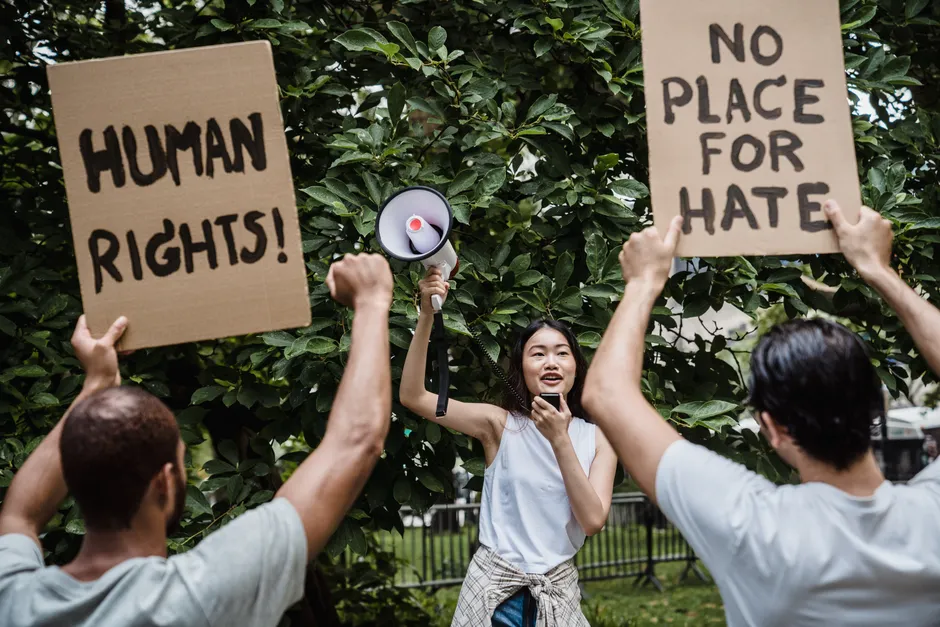
A German NGO is registering neo-Nazi slogans and symbols as trademarks — not to commercialize them, but to deny that avenue to the organizations that profit from them.
Laut gegen Nazis e.V., working with advertising agency Jung von Matt, has secured trademark rights to coded far-right terminology, including 'Druck 18,' the name of a prominent right-wing extremist online shop. The strategy is straightforward in principle: once a mark is held by an anti-fascist organization, it cannot be registered or used commercially by anyone else without authorization. The underlying legal mechanism is conventional intellectual property law, repurposed as a counter-extremism tool.
The commercial dimension of far-right branding in Germany is not trivial. According to The Guardian, merchandise printed with Nazi codes and symbols constitutes a significant revenue stream for right-wing organizations operating in the country. That makes the financial logic of the trademark strategy coherent: disrupt the supply chain of legally protected branding, and you constrain the funding that flows from it.
The focus on codes and abbreviations is particularly deliberate. German law prohibits explicit Nazi symbols under §86a of the Criminal Code, which has pushed far-right actors toward a layer of alphanumeric substitutes — numerical codes standing in for banned letters or phrases — that are harder to prosecute but carry identical ideological freight. 'Druck 18,' for instance, encodes initials associated with Adolf Hitler. These substitutions exist precisely because direct use would trigger enforcement. By securing trademarks on the coded variants, Laut gegen Nazis and Jung von Matt are attempting to close the legal gap that §86a leaves open.
The campaign — operating under the banner Rights Against the Right — targets the intersection of trademark registration windows and commercial dependency. Far-right online retail depends on brand recognition; a shop name that cannot be legally protected, or that is actively held by an adversary, loses a core commercial asset. Enforcement actions become available to the trademark holder: injunctions, cease-and-desist orders, and the ability to challenge infringing registrations at the German Patent and Trade Mark Office.
The broader context here is a long-running tension in German law between robust constitutional protections and the practical limits of criminal prohibition as a counter-extremism instrument. Bans on explicit symbols displaced, rather than eliminated, far-right visual culture — they accelerated the development of coded alternatives. The trademark approach does not rely on proving ideological intent, which is the hard evidentiary bar in §86a prosecutions. It relies instead on the mundane machinery of commercial law, where the standard of proof is registration, not radicalism.
Whether the model scales is a real question. Trademark registration requires resources, legal expertise, and — crucially — advance intelligence on which terms are gaining commercial traction in far-right networks. The NGO and its partners are, in effect, running a surveillance and filing operation in parallel. Each new coded phrase that migrates into merchandise represents a potential gap if it is not caught and registered early. The far-right ecosystem has demonstrated adaptability in generating new codes; the trademark strategy is reactive by design.
Still, the financial pressure point is genuine. Revenue from branded merchandise funds organizational activity, and legal uncertainty over brand ownership raises the cost and risk of running extremist retail operations in Germany. As a standalone instrument the approach has clear limits; as one layer within a broader enforcement and civil-society framework, it introduces friction where there was previously none.


