21-Year-Old Dies After Rope Jump From Abandoned Bridge in Limeira, Brazil

21-Year-Old Dies After Rope Jump From Abandoned Bridge in Limeira, Brazil
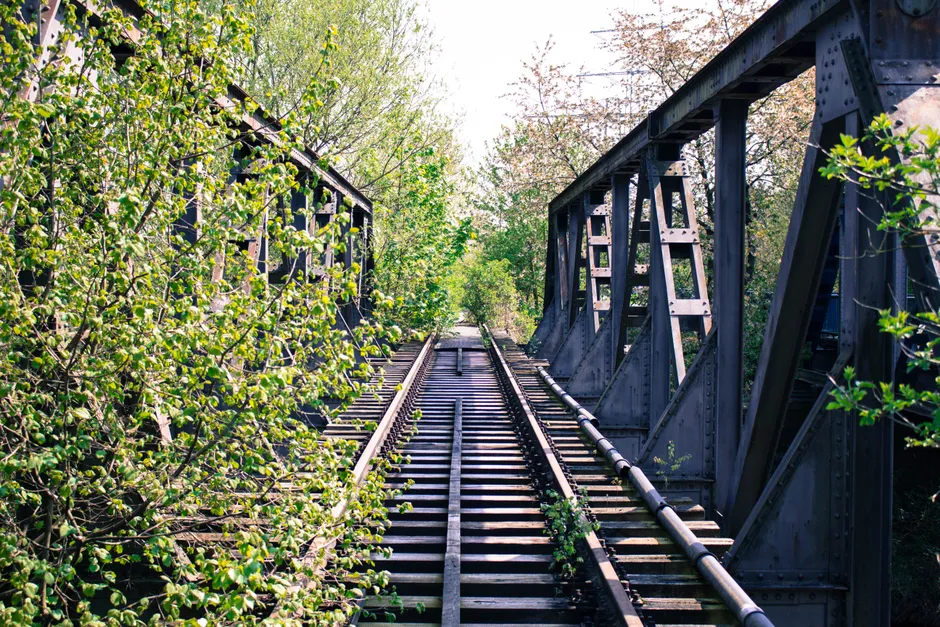
Maria Eduarda Rodrigues de Freitas, 21, died following a rope jump from Ponte do Esqueleto, an abandoned bridge standing approximately 40 meters (131 feet) above the ground in Limeira, Brazil, AP News reported on June 14, 2026. She was subsequently buried after the incident.
Ponte do Esqueleto — "Skeleton Bridge" in Portuguese — has been a known gathering point for informal rope jumping, a practice in which participants attach a rope to a fixed structure and leap, relying on the cord's tension to arrest the fall before impact. It differs from regulated bungee jumping in that it typically lacks certified equipment, professional oversight, and standardized safety checks. At 40 meters, the margin for error in rope length calculation or anchor integrity is minimal; a miscalculation of even a small percentage translates directly into fatal force.
Limeira is a mid-sized city in São Paulo state, one of Brazil's most economically active regions. The bridge's abandoned status is material here. Disused infrastructure in Brazil, as elsewhere in Latin America, frequently becomes the site of unsanctioned recreational activity — absent security personnel, fencing, or liability frameworks that would apply to a functioning public structure. Authorities' ability to monitor or restrict access to decommissioned bridges is persistently limited, a gap that is difficult to close without dedicated enforcement resources.
Brazil has no comprehensive federal regulatory framework specifically governing informal extreme sports on abandoned or private structures. Participants typically operate in a legal grey zone, and the burden of safety falls almost entirely on the individuals involved and whatever informal group organizes the jump. When an incident results in death, investigations generally proceed under existing penal and civil negligence statutes rather than sport-specific legislation.
De Freitas's death follows a pattern of fatalities tied to rope jumping and similar unregulated activities at fixed structures across Brazil and the wider region. Each incident tends to generate short-lived calls for tighter oversight of abandoned sites, but structural change — whether through municipal ordinances mandating site security or national safety standards for informal extreme sports — has been slow to materialize. The friction between personal autonomy norms around adventure recreation and the state's duty-of-care obligations to citizens using public or semi-public spaces is unresolved policy terrain in most jurisdictions, Brazil included.
What distinguishes cases like this from individual accidents in controlled sports is the compounding absence of institutional safeguards: no operator, no trained spotter, no equipment certification, and often no emergency response plan. When something fails at 40 meters, response time is irrelevant.
The verified facts available at this stage cover the identity and age of the victim, the location and structure involved, and her burial. Details on the precise mechanical cause of death, whether others were present, and whether any investigation has been opened by local authorities have not yet been confirmed in available sourcing. Coverage may develop as Brazilian federal and state authorities respond.