Two Convicted Over Arson Plot Targeting Keir Starmer's Properties, Russian-Speaking Orchestrator Named

An Old Bailey jury on June 15, 2026, convicted two men of plotting arson attacks on properties and a vehicle connected to UK Prime Minister Keir Starmer, with the operation traced to a mysterious Russian-speaking figure whose full identity has not been publicly established.
Roman Lavrynovych, a 22-year-old Ukrainian national, was found guilty of two counts of committing arson being reckless as to whether life was endangered, Reuters reported. A second man was also convicted in connection with the plot. The charges relate to actual fire-setting, not merely preparation — a distinction that carries significant sentencing weight under English law.
What makes the case strategically notable is the alleged direction from outside the UK. According to Al Jazeera and the Washington Post, prosecutors presented evidence that the plot was orchestrated by a Russian-speaking individual who has not been publicly identified or, as far as current reporting indicates, apprehended. That detail pushes the case beyond a domestic criminal matter into the territory of state-adjacent or proxy threats — a category that UK security services and allied intelligence agencies have been tracking with heightened urgency since Russia's 2022 full-scale invasion of Ukraine.
The nationality of the convicted arsonist — Ukrainian — adds a layer of complexity that cuts against simple narratives. Ukrainian nationals have featured in Russian hybrid-warfare recruitment schemes precisely because their presence in European countries arouses less immediate suspicion, and because some individuals are vulnerable to coercion or financial inducement. Whether that framing applies here is a matter for sentencing proceedings and any subsequent security review; the court's verdict establishes culpability, not motive's full architecture.
Targeting a sitting head of government's private properties is rare enough in the UK context to be genuinely alarming. Starmer has been among the European leaders most vocal in sustained support for Kyiv, and the UK has been a primary supplier of military and intelligence assistance to Ukraine. The selection of targets — residential properties and a personal vehicle rather than government buildings — suggests an intent to intimidate at a personal level, though again, the precise operational logic behind the target selection remains a matter prosecutors addressed at trial rather than established public record.
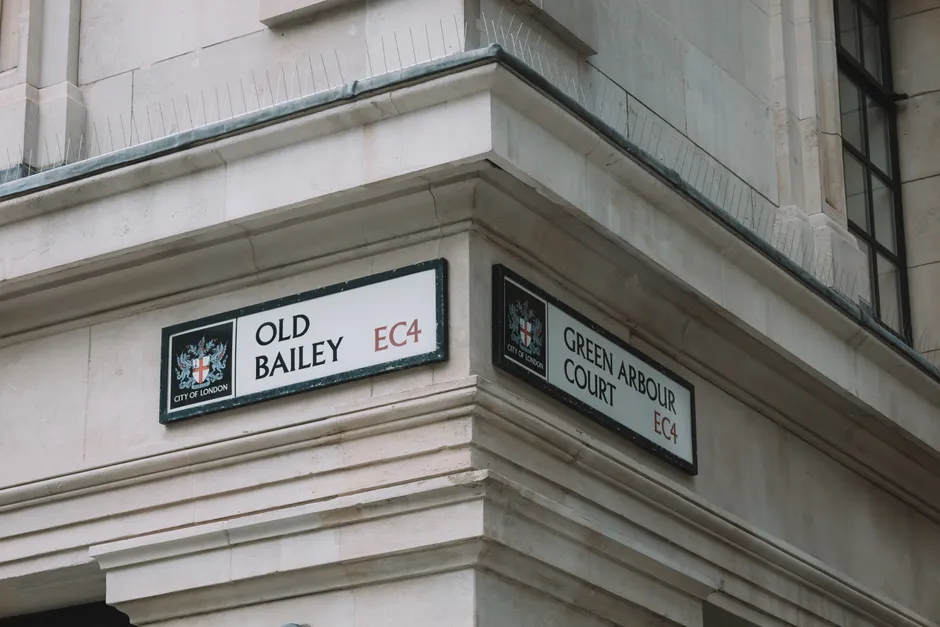
The Old Bailey, London's Central Criminal Court, handles the most serious criminal cases in England and Wales. Convictions under arson with recklessness as to endangerment of life carry a maximum sentence of life imprisonment — sentencing for Lavrynovych and the second defendant has not yet been reported as of the time of writing on June 15, 2026.
The broader security context here is one European governments have been navigating for several years: a documented pattern of Russian intelligence services — primarily the GRU and FSB — recruiting proxies in third countries to carry out deniable disruptive operations. The UK's domestic counter-intelligence agency, MI5, and its European counterparts have repeatedly warned that such operations are escalating in both frequency and ambition. Whether the unnamed Russian-speaking orchestrator in this case had state backing, acted as a freelance agent, or represents something else entirely will likely depend on intelligence assessments that may never enter the public domain.
For Starmer's government, the verdict lands at a politically sensitive juncture. The UK's posture on Russia and Ukraine is a defining foreign policy axis, and any suggestion that this support generates blowback in the form of personal threats to the Prime Minister will inform both security protocol and, potentially, public debate about the costs of that alignment. How Downing Street responds — whether with a formal government statement, a security review, or public silence — will itself be a signal worth watching.
Sentencing dates and any further judicial proceedings have not yet been announced publicly. The identity and whereabouts of the Russian-speaking orchestrator remain, for now, unknown.