John Healey Resigns as UK Defence Secretary in Spending Row, Dan Jarvis Appointed
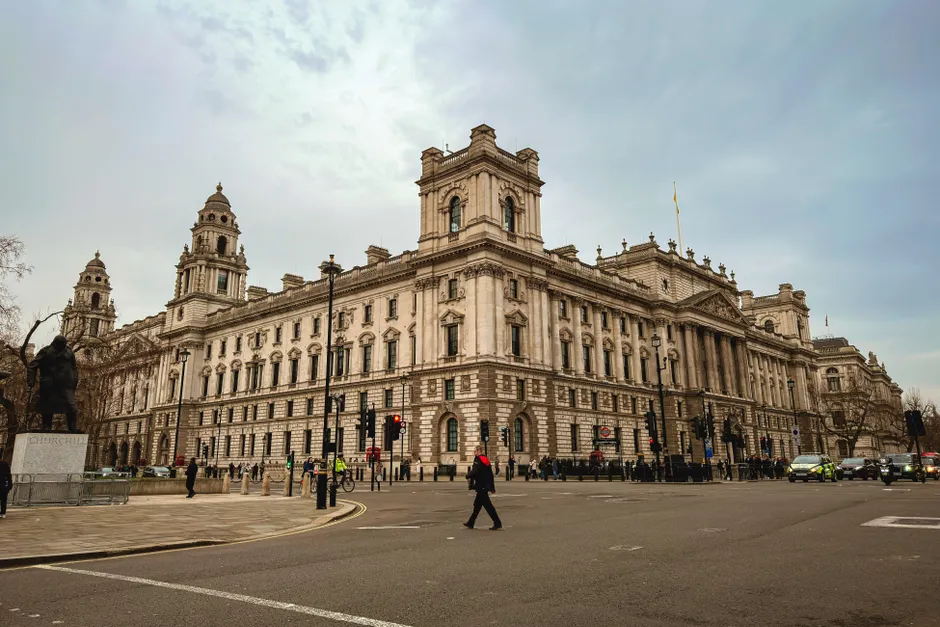
John Healey resigned as Secretary of State for Defence on 11 June 2026, citing what he described as Prime Minister Keir Starmer's failure to invest sufficiently in the armed forces — a rare public break between a Cabinet minister and his own Labour leadership over military funding, per Reuters and AP News. Dan Jarvis MBE MP was appointed to the role the same day, per the official ministerial appointment notice.
Healey had held the Defence brief since Labour's election victory in 2024, giving him two years at the helm of a department navigating a major recapitalisation. His resignation letter to Starmer formalised a dispute that had been gestating inside government for months — namely, whether the headline spending commitments the government had publicised were sufficient to meet actual capability requirements.
The government's stated position is far from modest on paper. Ministers had committed to raising defence spending to 2.6% of GDP from 2027–28 and to deploying over £270 billion in cash terms across the current Spending Review period — framed publicly as the largest sustained increase since the Cold War's end. A Defence Investment Plan was announced on or before 5 June 2026, per the Prime Minister's remarks, just days before Healey walked out.
The timing matters. Healey resigned almost immediately after that plan was made public, which implies his objection was not to the absence of an investment framework but to its content — its scale, phasing, or conditionality. Without access to the full text of the resignation letter's substantive arguments, attributing a specific shortfall figure would be speculative. What is documented is that Healey went on record accusing the Prime Minister of failing to invest enough. That formulation — from a serving Secretary of State — carries weight that distinguishes it from the usual backbench grumbling over defence budgets.
The Incoming Secretary
Dan Jarvis brings an unconventional profile to the defence brief. A former Army officer and MBE, he had been serving as Minister of State at the Home Office from July 2024 until the day of his appointment, with a concurrent role in the Cabinet Office from September 2025. His military background gives him at least personal fluency with the institutional culture of the MoD and the armed forces, though the Home Office and Cabinet Office briefs are substantively distant from defence procurement and alliance management.
Jarvis inherits a department in the middle of structural commitments it has yet to fully execute. Luke Pollard MP remains in post as Minister of State for Defence Readiness and Industry, a role he had been occupying throughout 2026 and which carries day-to-day responsibility for industrial supply chain policy. The MoD had also committed, prior to Healey's resignation, to publishing an SME action plan alongside a direct spending target once the Defence Investment Plan was finalised — a commitment that now falls to Jarvis to deliver or revise.
The Broader Picture
The friction exposed by Healey's exit sits within a recognisable pattern in UK defence politics. Successive governments have announced headline GDP-percentage targets only to find the gap between stated ambition and funded capability a persistent point of contention — with both the military and its civilian overseers often on different sides of that ledger internally. Grant Shapps, Healey's Conservative predecessor from 2023 to 2024, also presided over a period of announced increases that critics argued were not translating fast enough into operational readiness.
The context is a NATO alliance that has been pressing member governments — particularly in Europe — to move beyond 2% of GDP and to front-load investment rather than defer it to the back end of spending windows. UK commitments to bilateral agreements, such as the mission data partnership with Belgium signed in March 2026, and regional deals like the £50 million Northern Ireland defence growth deal (part of a sector already generating over £270 million per year in MoD spending to industry and supporting 900 jobs), reflect the breadth of obligations that spending decisions must now underwrite.
Whether Jarvis will renegotiate the internal settlement that Healey found unacceptable, or operate within it, will become visible in whether the Defence Investment Plan is amended, delayed, or proceeds as announced. That question has implications not only for UK force structure but for the credibility of British commitments within NATO at a moment when alliance solidarity is under sustained political stress.


