Japan's Fair Trade Commission Raids Six Ice Cream Makers Over Suspected Price-Fixing Cartel
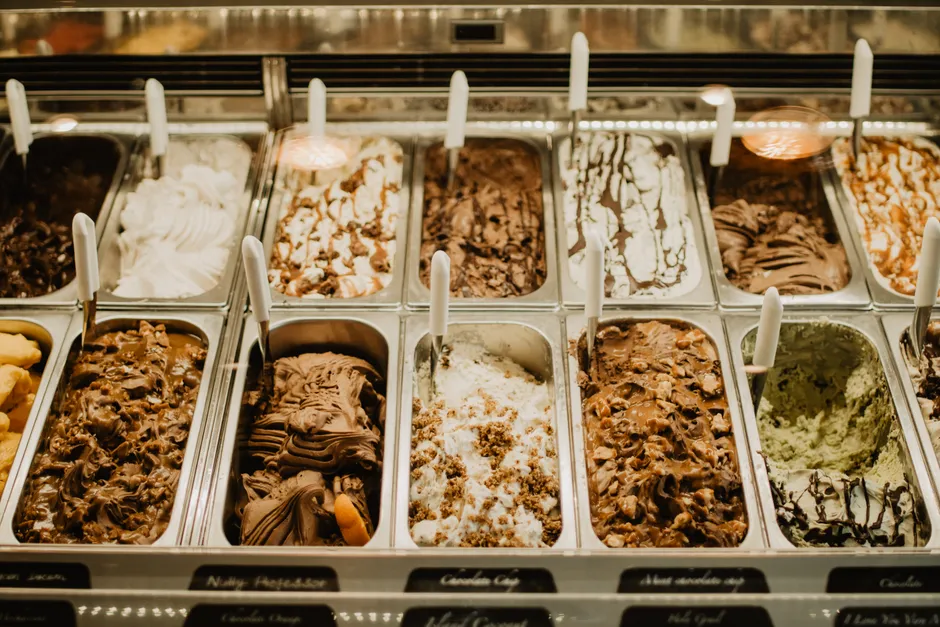
Japan's Fair Trade Commission conducted on-site inspections of six ice cream manufacturers on June 16, 2026, acting on suspicion that the companies had coordinated prices in violation of the country's Antimonopoly Act, according to The Japan Times and The Japan News. Among the six is Meiji, one of Japan's most prominent dairy and confectionery conglomerates.
On-site inspections — known in Japanese enforcement practice as genchi chousa — are a formal investigative step under the Antimonopoly Act that grants the JFTC authority to enter premises, seize documents, and compel testimony. They are not equivalent to a raid in the criminal sense but signal that the Commission has moved beyond preliminary review and has probable cause to believe a violation occurred. Cartel conduct in Japan can result in surcharge orders calculated as a percentage of affected sales, cease-and-desist orders, and, in serious cases, referral to the Prosecutor General for criminal prosecution.
The ice cream sector in Japan is concentrated. A handful of large manufacturers — Meiji, Glico, Lotte, Morinaga, and others — together hold a dominant share of a retail market worth several hundred billion yen annually. That structural concentration creates both the opportunity and the incentive for cartel behavior: when a small number of players control most supply, coordinating on price requires fewer bilateral agreements and is harder for downstream buyers to detect or resist. Consumer-facing packaged goods, where prices are sticky and brand loyalty dampens switching behavior, are a historically fertile environment for this kind of conduct.
The JFTC has been notably more aggressive in recent years. The Commission secured a record surcharge against a shipping cartel in 2022 and has signaled a sustained focus on consumer goods sectors where price coordination is difficult for end buyers to identify. Internationally, the pattern fits: food and beverage cartel enforcement has accelerated across the OECD since the inflationary pressures of 2022–2024 heightened political sensitivity around everyday prices.
That timing matters here. Japan's consumer prices have risen at a pace not seen in decades, and household staples — dairy products, processed foods, ice cream — have been conspicuous on that ledger. The political environment makes aggressive enforcement not just legally justified but strategically visible. A successful JFTC action against major brands would send a deterrent signal across the packaged food industry at precisely the moment regulators and lawmakers want to be seen acting on cost-of-living concerns.
For Meiji specifically, the reputational stakes are considerable. The company is publicly listed and carries brand equity built partly on a quality-and-trust positioning. Cartel investigations, even those that do not ultimately result in formal findings, impose real costs: legal fees, management distraction, scrutiny from institutional investors, and potential civil follow-on claims from buyers. Japanese courts have become incrementally more hospitable to private damages actions following JFTC enforcement, a development that amplifies the financial exposure beyond the surcharge itself.
The investigation is at an early stage. On-site inspections open a process that typically runs 18 to 24 months before the JFTC issues a formal recommendation or decision. Companies under inspection have the right to respond, and some investigations close without formal sanction. The JFTC has not publicly named all six manufacturers, and the full scope of the alleged coordination — which products, which period, which channels — has not been disclosed.
What is established: the Commission judged the evidence sufficient to act, and it did so across six firms simultaneously, a coordination of investigative resources that itself signals the suspected conduct was industry-wide rather than bilateral. The next formal milestone to watch is whether the JFTC issues a cease-and-desist recommendation, which would make the alleged facts part of the public record and open the surcharge calculation process.