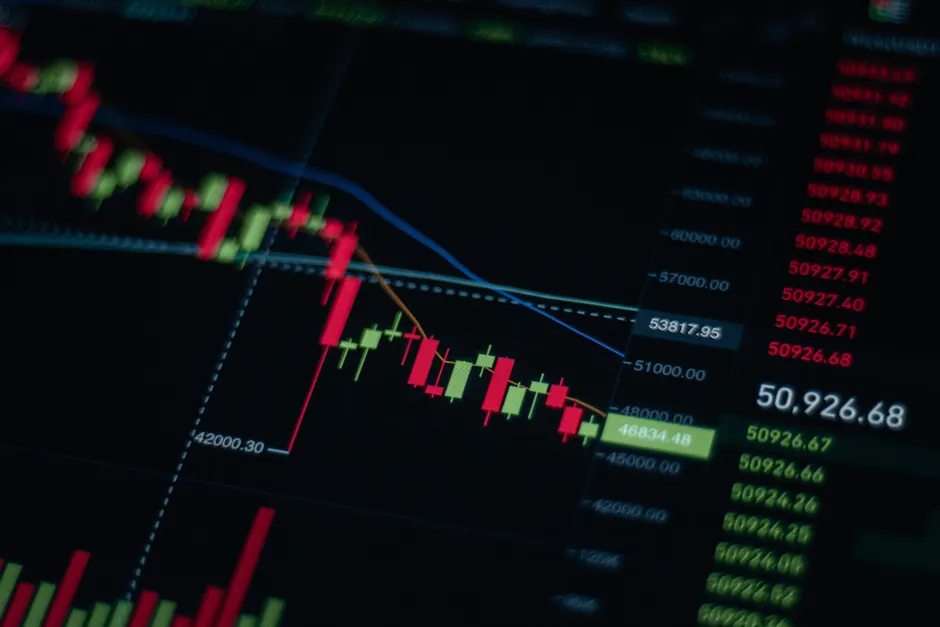
AI Safety Warnings Trigger Global Selloff in Crowded AI Trade

Wall Street's main indexes fell on September 14, 2026, weighed by a selloff in key AI stocks after top U.S. executives cited safety risks. Reuters
AI-linked stocks slumped worldwide on September 14 after leaders of the industry's biggest companies warned about risks. Reuters In that session, Nvidia shares fell 3.6% and the Philadelphia Semiconductor Index (.SOX) dropped 5.1%. Reuters
The weakness was broad. Global stocks fell in mid-September, driven lower by a slide in AI shares amid a surge in oil prices. Reuters
Policy event risk was immediate. The Federal Open Market Committee (FOMC) is set to meet on Sept. 15-16. Federal News Network Positioning was crowded. Liquidity thins into those meetings.
Three selloffs, one crowded trade
The September move was not isolated. In June 2026, a U.S. AI stock sell-off spread from Wall Street to Asia as investors questioned soaring valuations and spending on AI infrastructure. The Guardian That transmission across regions and time zones mattered. It pointed to common ownership, correlated factor exposure, and limited diversification benefit when the megacap growth cohort reprices together.
Wall Street analysts described the AI trade during that tech sell-off week as taking a breather or pause. Yahoo Finance The language was deliberate. A pause implies consolidation within an intact trend, not a change in terminal assumptions about cash flows. It also preserves optionality for forecasters. For trading desks, the distinction is less semantic than practical, since a pause still requires cuts to gross exposure, wider stops, and tighter control of single name concentration.
An earlier episode centered on software. MarketWatch reported that a 7,200-word essay from an independent research firm helped spark a software-stock selloff that wiped out $200 billion in market value. MarketWatch MarketWatch also reported that a blog post from Citrini Research ignited a selloff amid high AI valuations and fears of software displacement. MarketWatch
Those February discussions introduced vocabulary that has persisted. MarketWatch hosts an article about FOBO, fear of becoming obsolete because of AI, becoming real for workers and markets. MarketWatch It also hosts an article about why AI science fiction spurred market panic. MarketWatch The through line across February, June and September is sensitivity to narrative when multiples already reflect aggressive adoption curves and capital expenditure is running at scale.
What changes when founders warn about their own product
The broader context here is that the source of the warning matters for how risk is priced. When sellers are outsiders, holders can dismiss the critique as uninformed. When leaders of the industry's biggest companies warn about risks, that defense weakens. The September 14 move reflected that shift, with AI-linked names slumping worldwide rather than in a single market or subsector.
Looking at what this means for portfolio construction, the September pattern combined three pressures that professional investors normally try to separate. Equity factor crowding concentrated losses in the same names that had carried index returns. A surge in oil prices tightened financial conditions from the commodity channel at the same time growth multiples were compressing. And the Sept. 15-16 FOMC meeting compressed the horizon for adding risk, since duration sensitive equities reprice quickly around changes in the discount rate path.
In my view, the repeated February to September sequence argues against treating any single essay, post or executive comment as the fundamental cause. The market structure was primed. High starting valuations reduce the buffer for disappointing incremental news. Heavy AI infrastructure spending raises the bar for demonstrable return on invested capital and free cash flow conversion. Displacement fears put a direct discount on incumbent software cash flows even before revenue impact is observable. In that setup, a long form note or a safety warning functions as a coordination device for de-risking, not as new information about long run technology potential.
For credit and equity desks heading into the FOMC dates, the practical question is sequencing. September 14 showed that tech led and the broader global equity market followed, with oil adding a stagflationary edge to the move. That leaves little room for passive patience if volatility persists into Sept. 15-16. Expect attention on semiconductor beta, software versus infrastructure relative performance, and the degree to which index level declines are explained by a narrow cohort rather than broad earnings deterioration.