Light Adds Uber, Lyft Rideshare Tool via Tremp
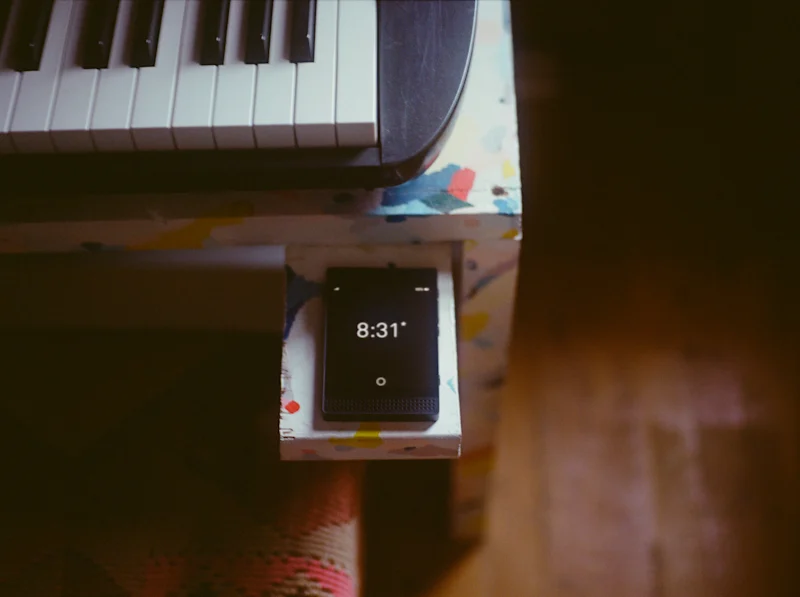
Light has added a Rideshare tool that connects Light Phone III and the upcoming Light Flip directly to Uber and Lyft. The Verge reported the addition on Sept. 15, 2026.
The tool handles the ride-hailing workflow on the handset. Users can find pickup and drop-off locations, see fares and ETA, and select trip options or saved locations. Once a ride is booked, the tool displays driver information and ETA and allows the user to call the driver.
Setup stays off the phone. Users set up Rideshare through Light's dashboard website, the same method used for other LightOS tools. The integration works via a partnership with Tremp, an SMS-based platform for hailing cars. Tremp charges a 10 percent service fee with a $2 minimum for the service, waived for the first five rides within 30 days of creating an account.
Light described Rideshare as an early preview of the LightOS tool library SDK for expanding phone features. The company had previously stated it planned to offer native ridesharing tools in the future, identifying the 1-800-USE-UBER service as a short-term option for Light Phone users, according to Light's LightOS tips post. The Light Phone III includes a GPS navigation tool, as noted by Consumer Reports.
Looking at what this means for LightOS, the delivery mechanism matters more than any single ride feature. Routing Uber and Lyft access through Tremp lets Light offer booking, tracking and driver contact without building and maintaining separate native integrations. Dashboard-based setup keeps the handset interface narrow, with location entry, fare comparison and trip management constrained to what the tool exposes. If the tool library SDK follows the same pattern, additional network services could be added as bounded tools rather than open-ended apps, with Light controlling distribution through its own dashboard.
In this author's view, the service fee makes that tradeoff explicit. Ten percent with a $2 floor, even with early rides waived, is the price of mediation. Users who chose a phone with fewer on-device controls accept an intermediary for access to mainstream transport networks. Worth flagging for technology professionals is the operational question that follows: reliability, support boundaries and update cadence when core utility depends on a third party sitting between handset and provider. If Light can keep that chain predictable, the model offers a plausible path for minimalist hardware to stay usable in an app-centric environment. The test will be whether constraint continues to feel like clarity rather than absence, and this release gives that idea a concrete trial.