Light's New Flip Phone Cuts the Smartphone Down to a Numpad and a Screen
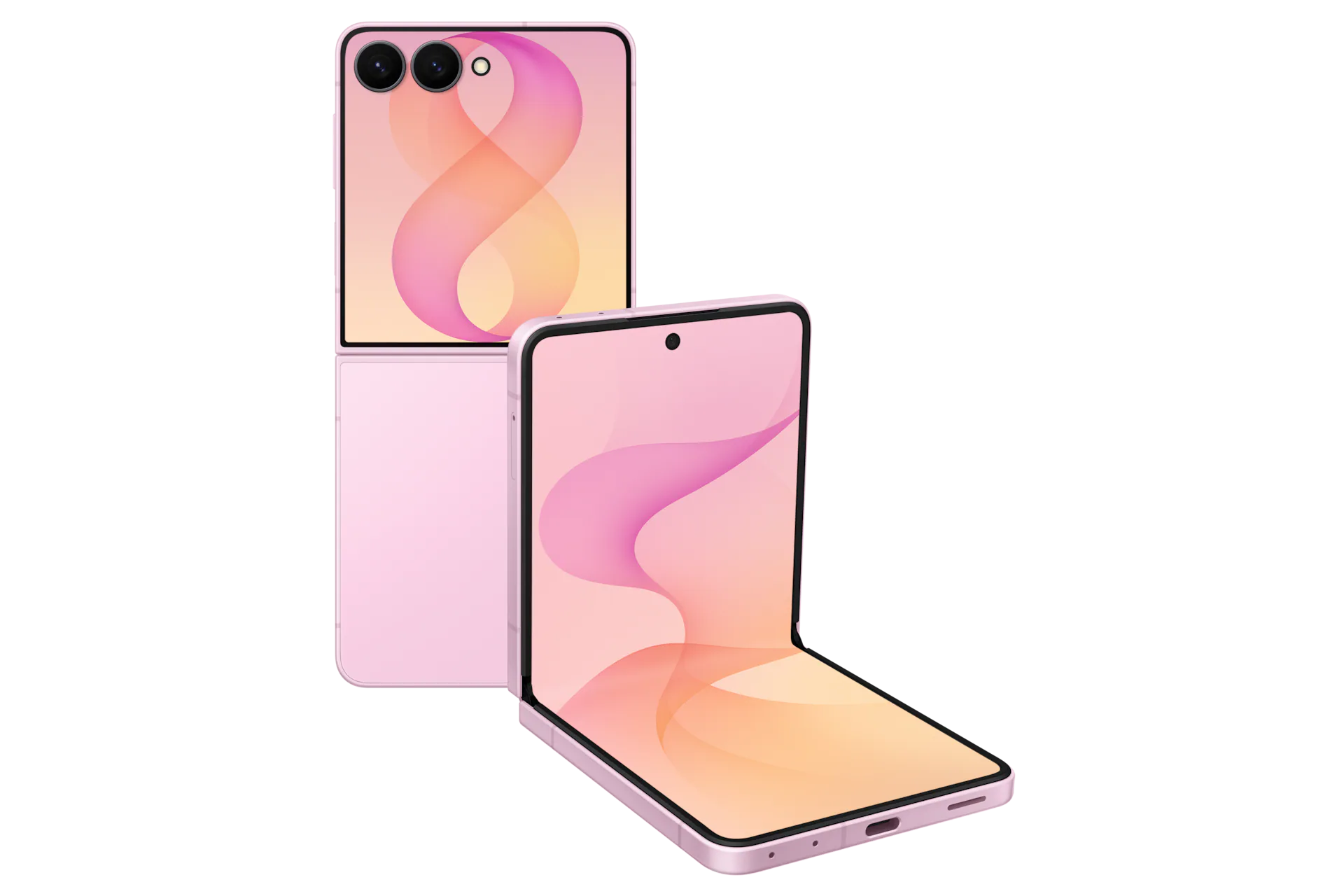
Light has announced the Light Flip, a minimalist flip phone priced at $299 — less than half the $699 pre-order price of the company's Light Phone III, which launched in March 2025 The Verge. The device is designed primarily as a second phone for users who want to leave their smartphone at home, rather than as a primary device.
The hardware is deliberately bare. The top half holds a 2.8-inch non-touchscreen display; the bottom half provides a standard numberpad, D-pad, and function buttons. A notification light sits on the front cover, but there is no external screen. The spec sheet is otherwise modest: a MediaTek MT8873 processor, 128GB of storage, 6GB of RAM, a single rear camera, a USB-C charging port, and a headphone jack. There is no NFC chip, which rules out tap-to-pay. The phone is available in multiple colors, a departure from the all-black Light Phone III The Verge.
The Light Flip runs LightOS, the same operating system as the Light Phone III. LightOS is built with React Native, according to a January 2020 blog post from the company. Light has also released an SDK for its app toolbox, opening the door for third-party developers to write apps for the platform The Verge.
The pricing structure is notable. At $299 outright, the Light Flip sits well below the Light Phone III's $699 pre-order price (and $799 retail). Light also offers a financing option: $39 per month for 24 months bundled with Light's own cell service. For comparison, the company's optional cell service plans for the Light Phone III start at $25 per month The Verge; Light.
The Light Phone III, for context, is a more conventional minimalist handset: a 3.92-inch AMOLED display at 1080x1240 resolution, matte glass screen, 5G and 4G LTE support, dimensions of 106mm x 71.5mm x 12mm, and a weight of 124g Light. The III launched in March 2025, roughly ten months after its June 2024 introduction Light. The company, which celebrated its 10-year anniversary in September 2024, has now shipped multiple generations of minimalist phones, starting with the Light Phone II in 2019 Light.
What makes the Light Flip a distinct product in Light's lineup is not the philosophy — the company has been building intentionally limited phones for a decade — but the form factor and the price. A clamshell with a non-touchscreen and a numberpad is a different interaction model from the Light Phone III's AMOLED touch display. The Flip strips out the touchscreen entirely, which constrains how LightOS apps can function: gesture-based navigation, swipe-heavy UI patterns, and any interaction that assumes touch input would need to be rethought for a D-pad and function-button paradigm. Whether third-party developers using the newly released SDK will build apps that account for this constraint is an open question.
The absence of NFC is a practical limitation worth noting for anyone considering the device. Tap-to-pay has become a baseline expectation even in the minimalist phone category, and its omission here means the Light Flip cannot serve as a payment device — a gap that narrows the scenarios where it could replace a smartphone even temporarily.
Light's decision to price the Flip at $299, paired with a $39/month financed option that includes cell service, suggests the company is reaching for buyers who found the $699 Light Phone III too expensive an experiment. Whether a sub-$300 flip phone with a non-touchscreen and no app ecosystem yet built for the form factor can find that audience is the question the market will answer. The SDK release is the enabling piece: a developer community producing apps tailored to the Flip's D-pad interface could make the device genuinely useful as a standalone companion. Without it, the Flip is a well-built but narrow tool.
The broader context here is that the minimalist phone category has expanded over the past several years from a niche curiosity into a small but real product segment. Light is one of several companies betting that a meaningful subset of users want a phone that does less. The Flip's lower price point and familiar clamshell design could widen that audience. The tradeoff — a non-touchscreen interface with a nascent app platform and no contactless payments — is the cost of the lower price.
Light cofounder Kaiwei Tang is behind the product, per The Verge The Verge. As of this report, no dedicated product page or spec sheet for the Light Flip was visible on thelightphone.com, though the announcement has been covered by major outlets Light.