Carvana Expands Into New Vehicle Sales, Pushing Further Beyond Used-Car Roots
Carvana Expands Into New Vehicle Sales, Pushing Further Beyond Used-Car Roots
Carvana has moved into new vehicle sales, extending a retail model that began in 2013 with the launch of the nation's first car vending machine — a single-location, around-the-clock pickup kiosk in Nashville — into territory long dominated by franchised dealerships.
The company built its brand on the proposition that buying a car online should feel less like a negotiation and more like an e-commerce transaction. That meant transparent pricing, home delivery, and — critically — a seven-day return window that Carvana has explicitly positioned as a replacement for the traditional test drive. The logic is straightforward: a week of actual driving in a customer's own environment surfaces more about a vehicle than 20 minutes on a dealership lot ever could. The policy applies to used inventory; whether it extends to new vehicles under the same terms is a detail worth watching as the offering matures.
The operational scaffolding Carvana has assembled over the past decade is genuinely substantial. By August 2019 it had opened its 20th vending machine location, including its first in California, signalling that the format had legs beyond novelty. The vending machine concept — multi-story glass towers dispensing cars via automated carousel — served dual purposes: functional pickup infrastructure and a piece of physical marketing that drew foot traffic and press without traditional advertising spend. By August 2023, the company had pushed further into fulfilment logistics, launching same-day delivery in Indiana, compressing the gap between online purchase and vehicle possession to within hours.
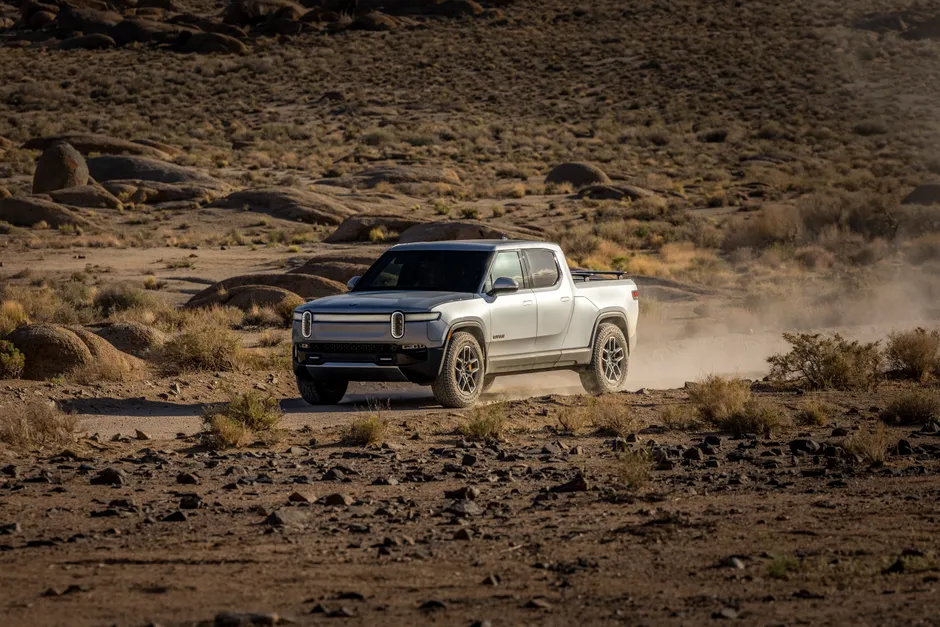
The move into new vehicles is a structurally different undertaking. Used-car retail, however digitised, operates in a fragmented market where no single seller controls supply. Carvana could acquire, recondition, and list inventory on its own terms. New vehicles mean manufacturer relationships, allocation agreements, and compliance with a patchwork of state franchise laws that were explicitly written to protect the dealer network from direct-sales competition. Tesla navigated this for years through litigation and lobbying, market by market. Rivian and Lucid followed similar paths. Carvana's approach — and the specific manufacturer or manufacturers involved — will determine how much of that friction it inherits.
The consumer demand side is less complicated. Carvana's one-week at-home trial for used purchases already conditions buyers to expect a low-commitment, low-pressure purchase experience. New-car buyers, who have historically endured the most adversarial version of dealership retail — finance-and-insurance upsells, holdback negotiations, dealer markups on high-demand models — are plausibly among the most motivated to defect to an alternative channel if one becomes credible.
Whether Carvana can make that channel credible at scale depends on a few variables that are not yet fully in view. Manufacturer warranty servicing, recall administration, and the financing ecosystem around new vehicles all flow through infrastructure that has been dealer-centric for generations. Carvana has its own financing arm and reconditioning network, but new-vehicle aftersales is a different operational surface.
The broader context here is that automotive retail has been under structural pressure for several years: inventory shocks during the semiconductor shortage of 2021–2022 temporarily handed dealers unusual pricing power, but that window has largely closed, and consumers who discovered online car-buying during that period have not uniformly reverted. Carvana's financial recovery — the company posted significant losses in 2022 and executed a debt restructuring in 2023 — makes this expansion a notable strategic bet rather than a move made from a position of unchallenged strength. Entering a new product category while continuing to rebuild margin discipline is a genuine execution challenge.
Still, the direction of travel is coherent. A retailer that has already built same-day delivery logistics, nationwide vending-machine pickup, and a return policy that reframes the test drive has at least the consumer-facing architecture for a new-vehicle offer. Whether the back-end — manufacturer agreements, franchise law compliance, aftersales infrastructure — can be assembled to match is the open question on which this expansion will ultimately be judged.