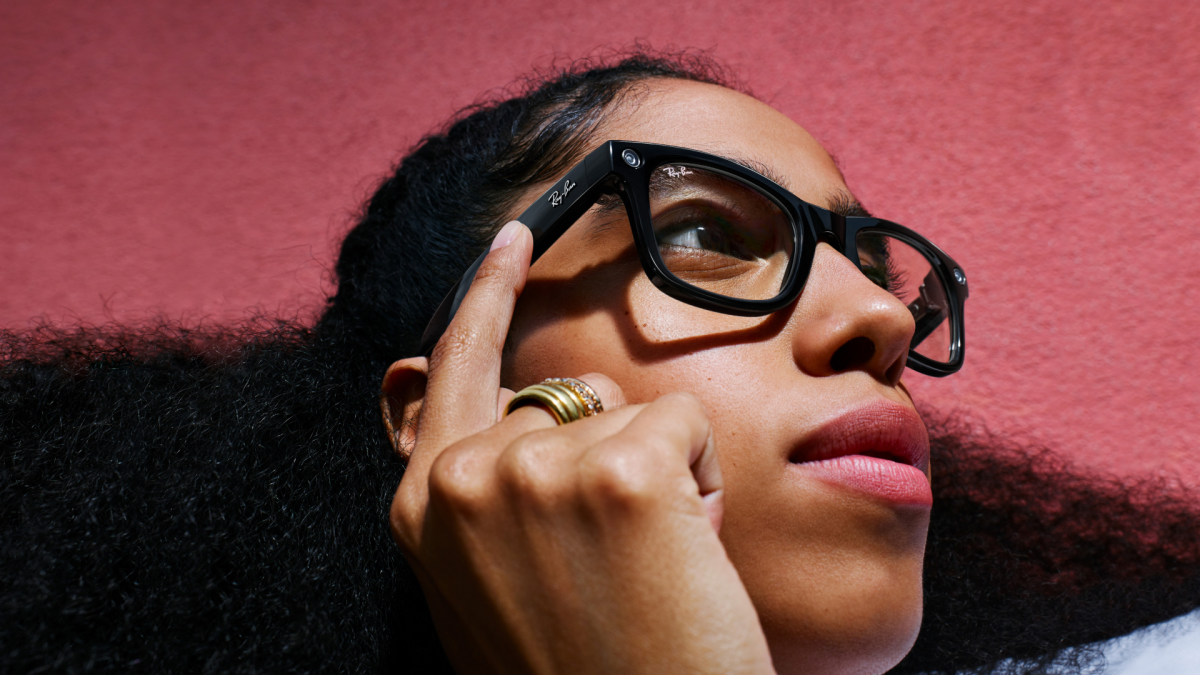
Meta Bets on Audio-First Wearables With Camera-Free Luna

Meta may reveal camera-free smart glasses codenamed Luna at its Connect event next week, according to reporting from The Verge citing The Information.
The Luna hardware drops the camera entirely. It keeps speakers for audio playback and packs six microphones tuned for voice interaction with Meta AI and the Muse AI agent. No viewfinder. No capture button debate.
Removing the imaging stack let Meta shrink the arms and bring the overall package closer to ordinary frames. That is a non-trivial tradeoff. Lenses and sensors force thickness, heat paths, and battery compromises. An audio-only design relaxes all three.
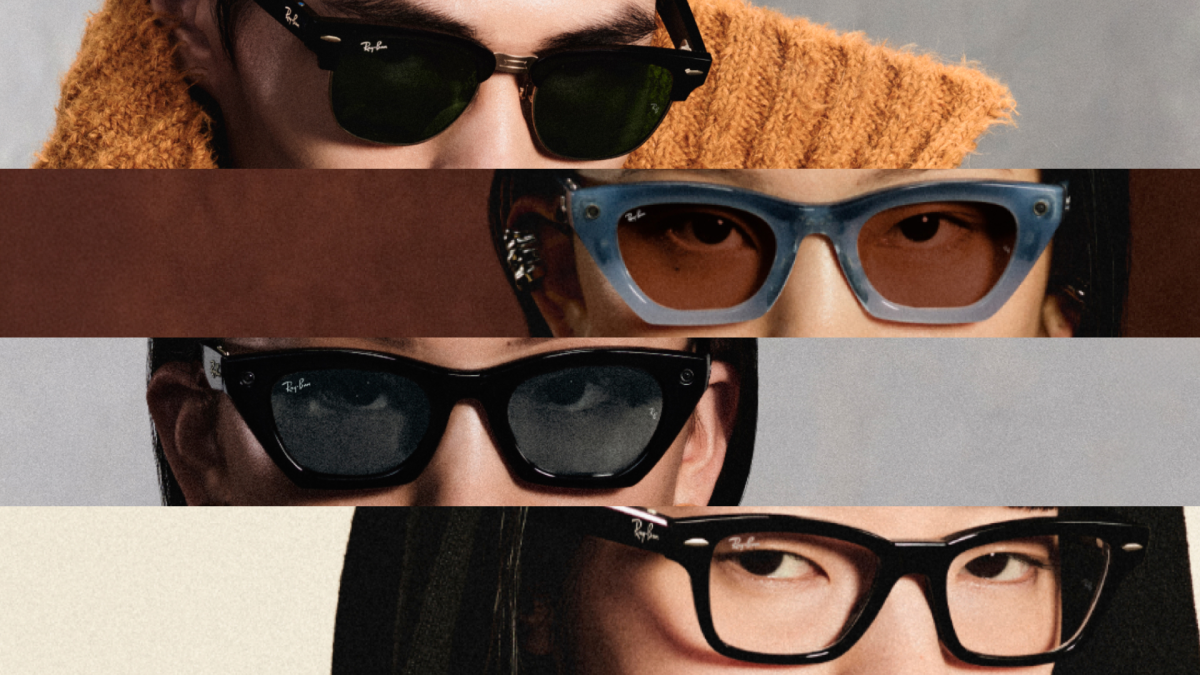
Meta is reportedly targeting October to ship Luna in two styles named Clubmaster and Burbank. The plan, as described in the September 16 report, is reveal at Connect followed quickly by retail availability.
Connect will reportedly include a second wearable. AR glasses codenamed Phoenix are expected to be shown at the event, with the ability to display a virtual workspace or movie screen in AR. Release is planned for 2027.
The original scoop came from The Information, published September 15, 2026 at 3:22pm PDT under the headline 'Meta to Launch Camera-Free Smart Glasses Amid Mounting Privacy Concerns'. Reuters followed the same day, reporting that Meta plans to release the Luna device this fall and noting that the plan follows growing scrutiny of smart glasses.
That scrutiny is now part of the product calculus. Camera-equipped glasses collapse a social norm that phones preserved, the visible act of raising a device to record. Luna sidesteps it by removing capture from the bill of materials.
The broader context here is a two-track wearable strategy taking shape across the industry. One track is lightweight, socially normal eyewear for ambient AI access. The other is heavier, display-based AR for spatial computing tasks.
For engineers, the first track is largely an audio and uplink problem. Far-field automatic speech recognition, beamforming across a mic array, echo cancellation against open-ear speakers, and low-power wake-word detection matter more than display nits or waveguide efficiency. Six microphones suggests Meta wants robust performance in street noise and crowded rooms, where single- or dual-mic systems degrade quickly. The constraint shifts to inference latency and network round-trip time, not rendering.
In my view, that makes Luna the more interesting near-term test. Phoenix points to the familiar AR promise of persistent virtual monitors and media surfaces. Useful, but dependent on display brightness, field of view, eyebox tolerance, and all-day power, problems the industry has iterated on for a decade. Luna tests a simpler hypothesis, that people will wear glasses all day if they look normal and answer reliably.
Competition frames the timing. Bloomberg News has reported that Apple plans to release smart glasses at the end of next year, via a May 2025 Reuters report. Meta and EssilorLuxottica were also considering doubling production capacity for their Ray-Ban AI-powered smart glasses, according to a January 2026 Reuters report. Neither detail predicts Luna volumes, but together they point to an expectation inside the supply chain that the category extends beyond early adopters.
Worth flagging for enterprise readers, audio-first glasses change the deployment questions. No camera means no first-person video for remote assistance, inspection, or documentation workflows. It also means fewer data-retention and consent reviews before a pilot. IT teams evaluating Luna will care less about mobile device management for captured media and more about Bluetooth pairing behavior, microphone mute guarantees, and how voice transcripts are stored and routed between on-device processing and cloud inference.
My kids grew up through the Bluetooth headset era, the phone-camera backlash, and the AirPods-everywhere phase. Each time, the device that won was not the most capable. It was the one people forgot they were wearing. Meta appears to be betting Luna can hit that threshold by subtracting the most controversial sensor, and letting the assistant carry the value proposition.