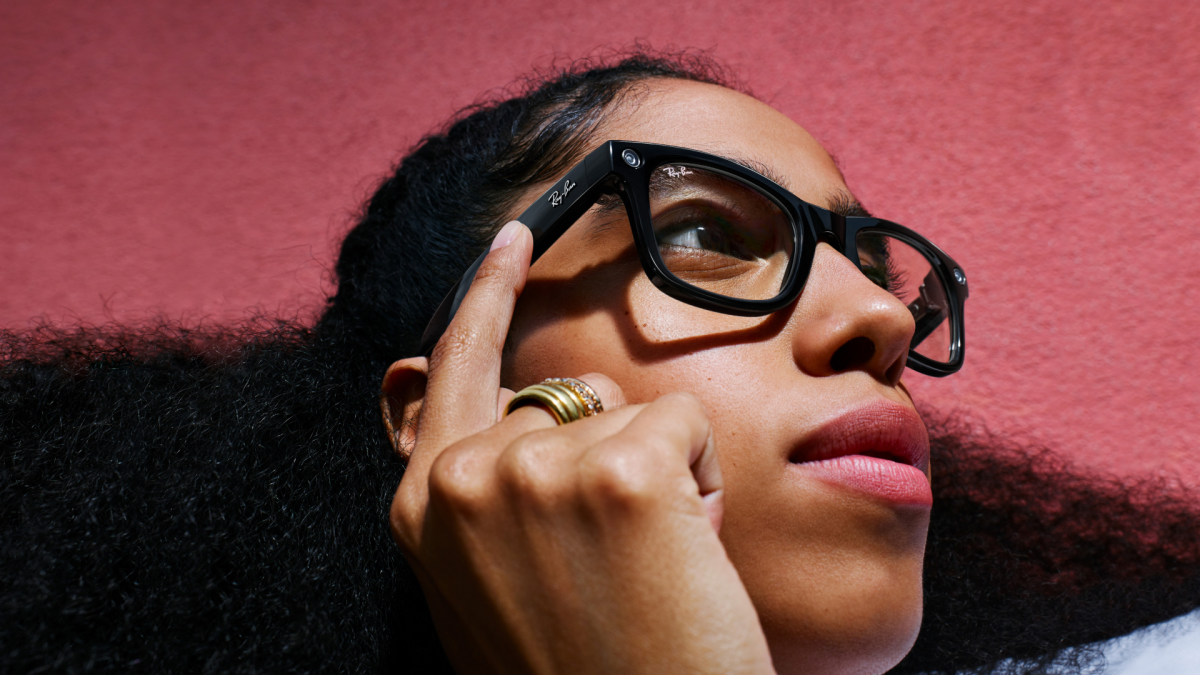
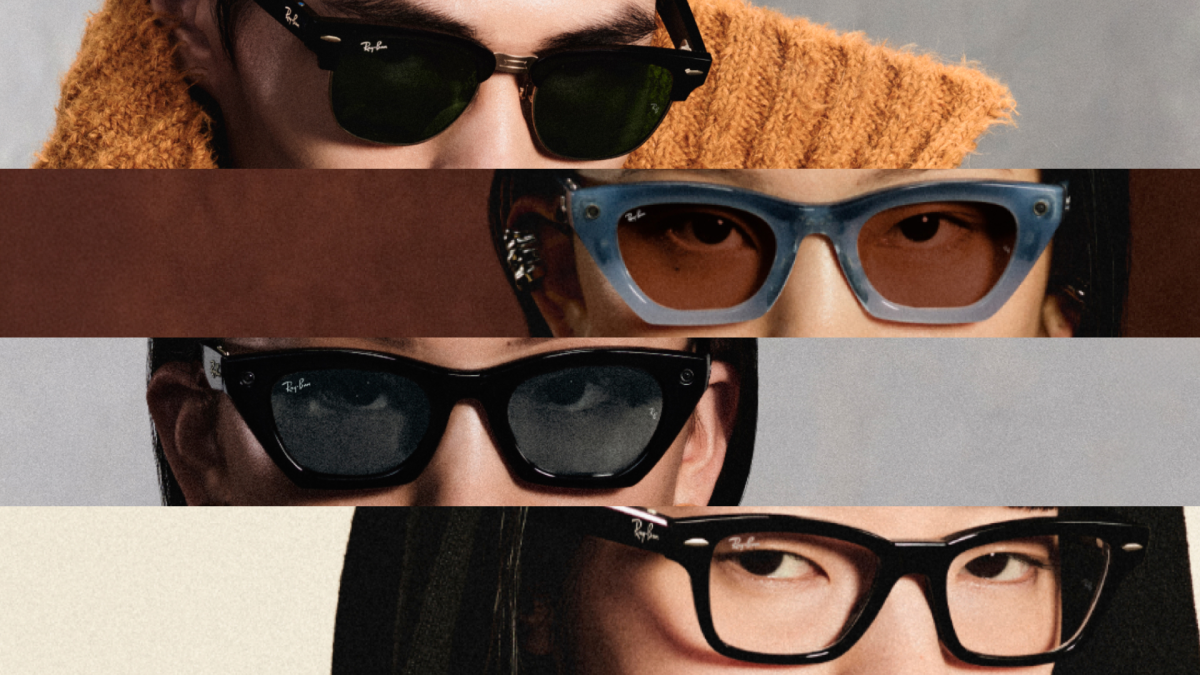
Meta Prepares Camera-Free Luna Glasses as Audio-First AI Wearable

Meta is developing a camera-free version of its smart glasses, internally codenamed Luna. TechCrunch reported the plan on September 16, 2026, citing reporting by The Information.
Reuters reported the same project a day earlier, on September 15, 2026, also attributing it to The Information. That report described a fall release window for the camera-free model. The later account adds hardware and schedule detail.
Luna drops the capture pipeline entirely. No sensor, no viewfinder LED, no on-device photo or video path. The interface is audio plus AI. The reported configuration includes six built-in microphones for communicating with Meta's AI chatbot and Muse, and a side button that activates the AI system when pressed.
The camera is gone. The microphones are not. That distinction will matter for how the device is evaluated.
Timing points to Meta Connect. TechCrunch reported that Luna may be unveiled at Meta Connect, Meta's annual hardware/developer event in Menlo Park scheduled for the week after September 16, 2026. Engadget reported that Meta is planning to start shipping the camera-free model as soon as October.
Luna would sit alongside a display-bearing line, not replace it. The $799 Meta Ray-Ban Display features a screen in the right lens, according to Bloomberg. That model can show text messages and video calls. Meta's devices group is Reality Labs, and the company had planned to release new high-end glasses with a built-in display in 2025.
The report arrives as camera-enabled glasses face friction in public venues. Cinema operators in Britain are introducing policies to prohibit or restrict camera-enabled smart glasses, including Meta's AI-powered glasses, over piracy concerns, Reuters reported on August 20, 2026. TechCrunch framed the Luna development amid complaints it is selling "pervert glasses," a shorthand for covert-recording concerns that have followed first-person cameras since the earliest head-mounted attempts.
Competition is segmenting along the same sensor line. HTC's $499 Vive Eagle smart glasses support voice interactions with AI assistants from Google and OpenAI, according to Bloomberg. Apple is working on several frame styles and a unique camera design for its first smart glasses.
The broader context here is product stratification around input modality. For the past two years, smart glasses have bundled three functions: see, hear, and answer. Luna appears to unbundle them. Display remains the premium visual tier. Camera remains the contested capture tier. Audio plus assistant becomes an entry or parallel tier, with far-field beamforming, push-to-talk, and hands-free query handling doing the work that a lens used to promise.
Looking at what this means for adoption, removing the camera lowers one specific barrier without removing trust questions altogether. Venue operators care about recording. Bystanders care about recording. A six-microphone array does not record video, but it does imply continuous listening capability and cloud query paths for inference. Enterprise buyers and privacy-sensitive users will want to know wake-word processing boundaries, on-device versus server-side speech handling, mute behavior, and retention. Those specifications will shape reception more than industrial design.
In my view, there is also a quiet usability bet worth flagging. My children never adopted head-mounted cameras, but they adopted earbuds and voice queries without instruction. For a tech-literate workforce already comfortable dictating messages, triggering agents, and taking calls from the ear, moving that interaction to the temple may feel incremental rather than alien. If Luna delivers low-latency assistant access and reliable transcription in noise, it could find daily use as an audio terminal, even without augmented visuals.
That still leaves the platform question open. A display gives developers pixels to target. A camera gives models first-person context to reason over. An audio-only frame leans entirely on conversational AI quality, microphone performance, and speaker clarity. Success depends less on optics and more on assistant reliability, third-party integrations, and battery life under sustained voice sessions.
The optimistic read is straightforward. Choice helps. Users who want notifications and AI assistance without carrying a camera into cinemas, workplaces, or family gatherings get an option. Users who want a viewfinder display keep one. Over the long arc, wearables tend to win when they stop demanding social negotiation and start fitting into existing norms. A familiar glasses form factor with no lens staring back may negotiate less.