Lucid, Bolt Plan 25,000 Robotaxis for Europe
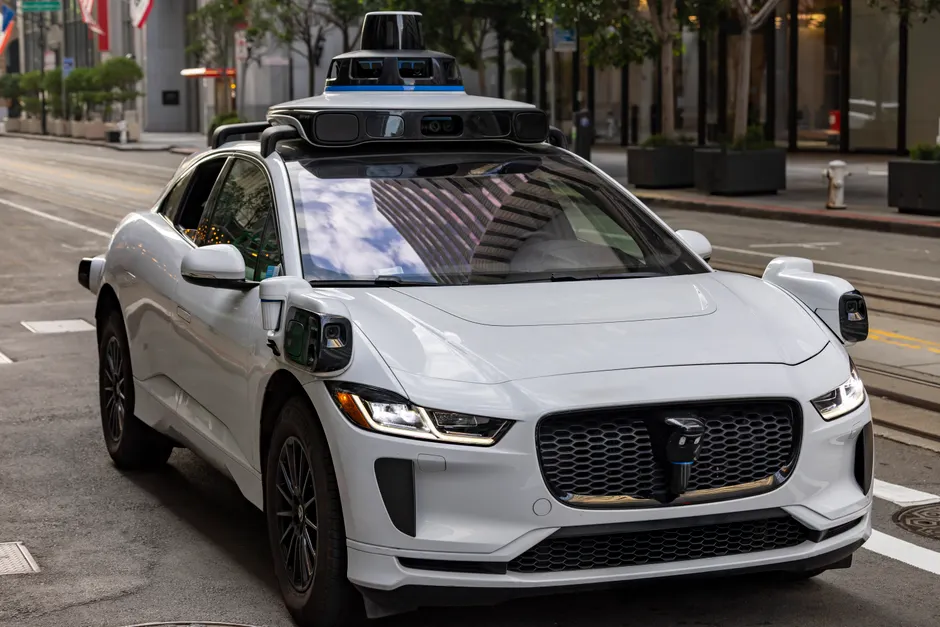
Lucid Motors has entered into a partnership with European mobility platform Bolt that could bring Lucid-made robotaxis to Europe. The agreement was reported on September 17, 2026.
Bolt aims to deploy at least 25,000 fully autonomous vehicles built on Lucid's upcoming mid-size EV architecture. That architecture is smaller and cheaper than its current offerings. Bolt intends to own and operate the fleet. TechCrunch
Lucid and Bolt will work together from the product-development stage on an ADS-ready vehicle platform. The vehicles will use Nvidia's Hyperion autonomous vehicle compute and sensing architecture.
Lucid and Bolt did not disclose which company will provide the autonomous driving software. That omission matters. Compute and vehicle integration are necessary. A validated driver stack is separate.
The commercial structure is light. No money has changed hands in the partnership. Bolt has not placed an order for Lucid vehicles. There is no public timeline for deployment.
Bolt described the partnership as a major step toward its ambition of 100,000 autonomous vehicles on its platform by 2035. Investors reacted quickly. Lucid shares rose 5.5% in premarket trading on September 17, 2026. The Star Lucid Group, Inc. trades on NASDAQ under the ticker LCID.
The Bolt effort sits alongside Lucid's U.S. robotaxi work with Uber and Nuro. Lucid partnered with Uber and Nuro to introduce a production-ready robotaxi, and the three debuted their planned robotaxi at CES in Las Vegas. That program planned to deploy at least 20,000 robotaxis, with an initial launch targeted for later in 2026 in an unidentified major U.S. city. Bloomberg Separate company material points to robotaxi service in Houston in 2027 with Uber and Nuro.
The broader context here is the division of labor taking shape around robotaxis. Lucid would supply an ADS-ready platform designed for autonomy from the start. Bolt would supply demand aggregation and fleet operations. Nvidia would supply reference compute and sensing. A software provider would still need to close the loop.
In my view, the missing pieces tell readers how to calibrate this announcement. A 25,000-vehicle ambition with no order, no capital exchanged, no software vendor named and no date is a framework for joint development, not a procurement commitment. That is normal at this stage of a vehicle program, especially around an unreleased mid-size platform. It also leaves the hardest integration and validation work ahead.
Looking at what this means for practitioners, the items to watch are concrete. Who provides the autonomous driving software, and on what operational design domain. How Hyperion is integrated into the mid-size electrical and thermal architecture. Whether Bolt's own-and-operate model changes maintenance, cleaning, charging and incident response compared with marketplace models. Worth flagging: if those elements align, a lower-cost Lucid platform built ADS-ready from day one could give Europe a purpose-built supply of robotaxi vehicles rather than retrofitted passenger cars, and give Lucid a second fleet channel alongside its U.S. program.


