Three-Year-Old Critically Injured After Being Placed in Crocodile Enclosure at Cambridgeshire Zoo

A three-year-old boy was critically injured on 18 June 2026 after being placed inside a crocodile enclosure at Huntingdon Zoo in Cambridgeshire, according to ITV Anglia and the New York Times. A zoo worker intervened, jumping into the enclosure to pull the child to safety before emergency services arrived, BBC News reported on 19 June.
A 30-year-old man from Norfolk was arrested on suspicion of attempted murder in connection with the incident. He has since been released on bail, BBC News reported. Police indicated that the arrested man and the child were not believed to have been known to each other prior to the incident — a detail that places this outside the category of domestic or family violence and into far more unsettling territory.
As of the most recent reporting, the boy remained in critical but stable condition in hospital.
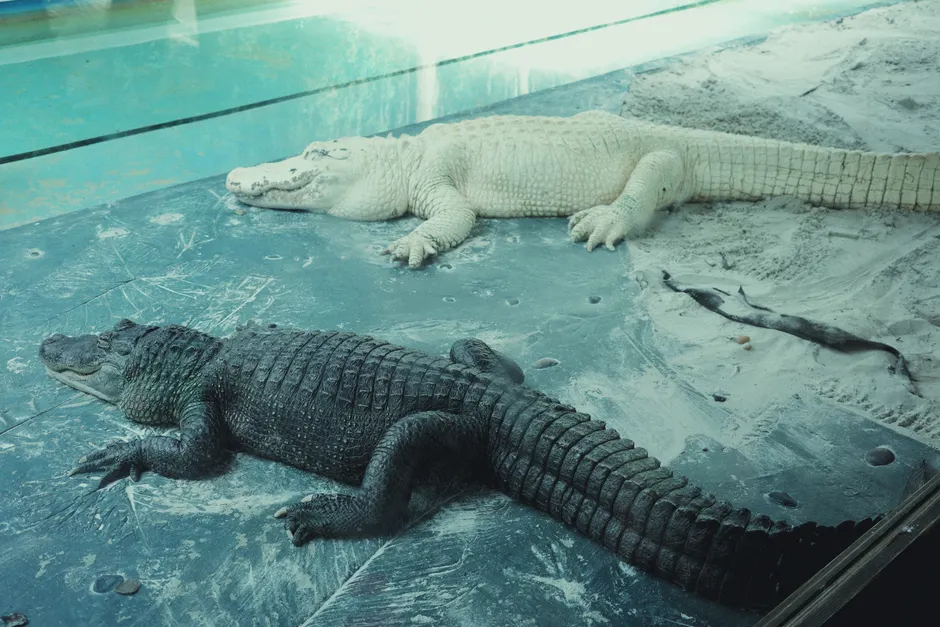
The facts as established are spare but grave. A child was deliberately placed into an enclosure housing crocodilians — animals capable of delivering fatal bite forces and whose predatory response to movement in water or confined space is well-documented. That a zoo employee entered the enclosure to intervene speaks to the immediacy of the danger; such actions carry significant personal risk. The child survived. Whether that outcome reflects the speed of the intervention, the specific species housed in the enclosure, or some other factor has not been confirmed by any source at this stage.
The stranger-to-stranger dynamic disclosed by police is among the most disquieting elements of the case. Attempted murder charges in England and Wales require prosecutors to establish intent to kill, not merely recklessness — a higher threshold than grievous bodily harm. The decision to arrest on that specific suspicion signals that investigators had early grounds to treat the act as deliberate rather than accidental.
Huntingdon Zoo's role will draw scrutiny from multiple directions. The Health and Safety Executive and the local authority that holds the zoo's Dangerous Wild Animals Act licence — required for facilities keeping crocodilians in England — will have jurisdiction to examine how a member of the public gained access to a restricted enclosure. Zoo enclosures housing Class A dangerous animals are subject to physical separation requirements precisely to prevent this class of incident. Whether the failure was one of infrastructure, supervision, or something else is a question for regulators as much as for police.
The worker who entered the enclosure acted in a way that saved the child's life. That fact, whatever else emerges, is not in dispute.