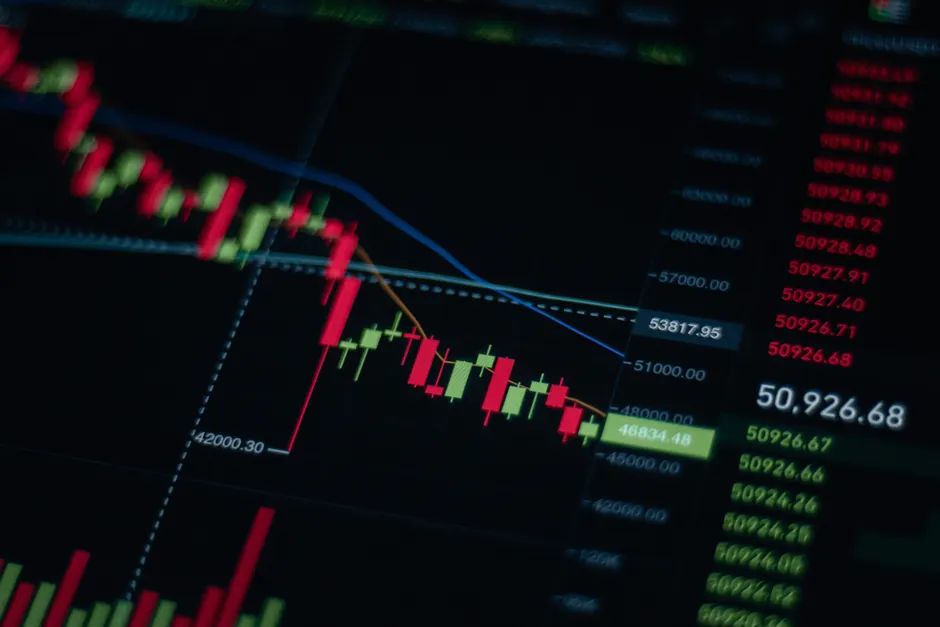
AI Stocks Snap Back as U.S.-China Dialogue Resets Tech Risk

AI-linked equities rebounded in Asia and in U.S. futures on September 21, 2026, on optimism for U.S.-China talks. Asian stock markets mostly rose, with technology shares leading gains, while U.S. stock futures ticked up and AI stocks rallied. Oil prices declined on the same day.
Chinese and U.S. officials held trade talks over the weekend before September 21, according to Yahoo Finance. U.S. Treasury Secretary Scott Bessent described talks with Chinese counterparts on artificial intelligence, trade and investment as "very successful" on September 21, according to Bloomberg. The United States and China agreed to launch an AI dialogue and advance trade talks on September 21. The reversal was sharp.
Technology shares led gains in Asian markets on September 21, according to The Guardian. U.S. stock futures ticked up and AI stocks rallied on optimism for the talks, according to the Wall Street Journal. Crude oil fell to 98.43 USD per barrel on September 21, down 1.87% from the previous day.
The move followed a global drawdown one week earlier. AI-linked stocks slumped worldwide on September 14, 2026. The leaders of Anthropic, OpenAI and xAI warned of risks from rapid AI development, according to Reuters. AI-linked stocks plunged worldwide after leaders of major AI companies warned of potentially existential risks, according to Reuters. Nasdaq futures took pressure as tech sold off.
That September 14 price action contrasted with the fundamental signal from the prior month. Nvidia's results reported on August 26, 2026 signaled demand for its AI chips continued unabated. No new company-level operating data was in the verified September 21 reports to confirm or refute that demand read.
Early September had already been fragile for risk. Wall Street ended lower as higher yields and rising oil prices marked a shaky start to September, with the Dow down 0.79%, the S&P 500 down 0.71% and the Nasdaq down 1.03%, according to Reuters. Brent crude oil futures settled up nearly 1% at $97.92 per barrel in an earlier September session, according to CNBC. Policy risk repriced quickly.
The broader context here is a market toggling between two distinct AI risk premia. The first is earnings and capex visibility, anchored in late August by Nvidia's demand signal. The second is regulatory and safety headline risk, triggered on September 14 by coordinated warnings from Anthropic, OpenAI and xAI leadership. September 21 replaced the second premium with a bilateral negotiation premium.
Looking at what this means for positioning, the cross-asset pattern matters. Equities higher and oil lower on September 21 is a cleaner risk-on covariance than the early-September pattern of equities lower alongside higher yields and higher oil. For desks running tech beta against energy or duration hedges, that shift changes hedge efficacy intraday. It does not resolve the underlying tension between unabated chip demand and calls to slow development.
In my view, the new variable to monitor is the agreed AI dialogue itself. A standing U.S.-China channel on AI, trade and investment creates a calendar of headline risk separate from model releases, chip shipments and earnings. Futures led both the September 14 fall and the September 21 bounce, which suggests marginal price discovery is happening in leveraged, after-hours instruments rather than cash. That structure favors gap risk over trend risk until the dialogue produces verifiable terms.