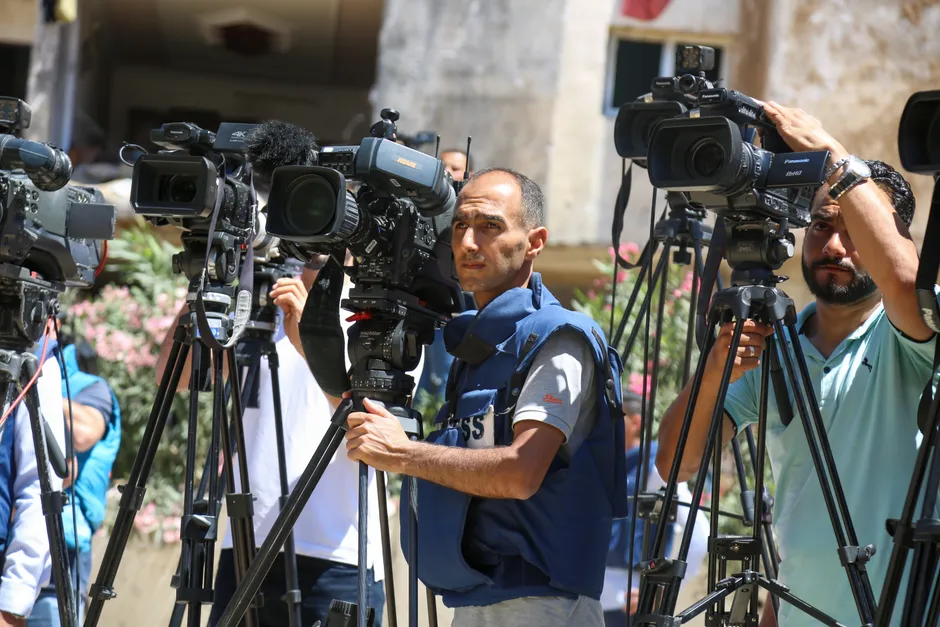
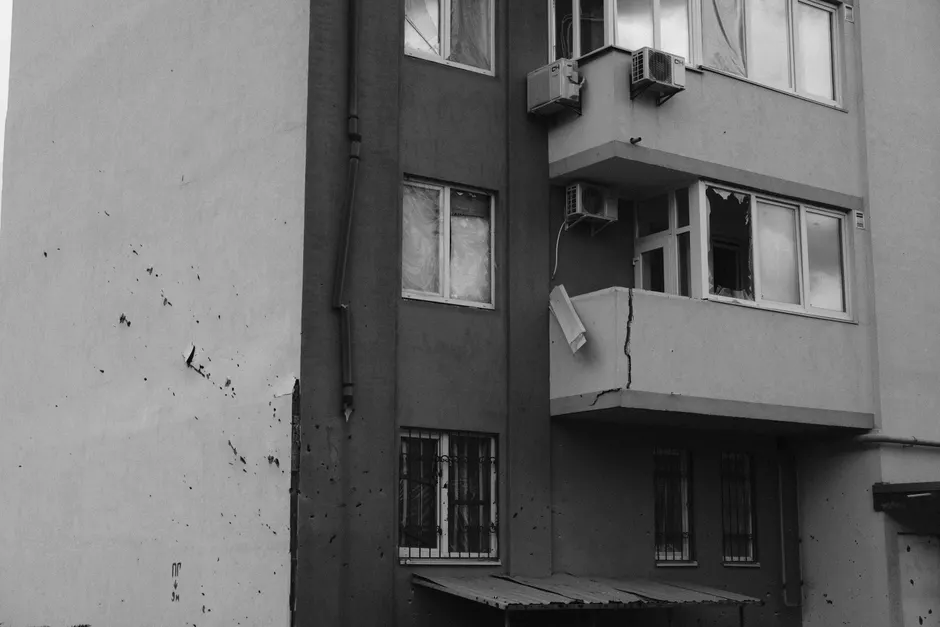
Al Jazeera Cameraman Ahmed Wishah Killed in Israeli Strike on Bureij Refugee Camp
Ahmed Wishah, a cameraman for Al Jazeera, was killed on June 20, 2026, in an Israeli airstrike that targeted a house in the Bureij refugee camp in central Gaza, making him the twelfth Al Jazeera journalist or media worker killed by Israeli forces since the start of the war. AP News reported at least three people died in the strike. His funeral was held the following day at Al-Aqsa Martyrs Hospital in Deir al-Balah.
Wishah's death carries a particular weight within the network and among Gaza's press community. His brother Mohammed Wishah, also an Al Jazeera journalist, had been killed in a separate targeted attack approximately two months earlier. Al Jazeera quoted colleagues describing Ahmed as "kind" and "principled." Two brothers from the same family, both journalists for the same outlet, killed within weeks of each other — the pattern is without precedent in the recorded toll of this conflict.
Al Jazeera issued a direct rejection of Israeli accusations levelled against Wishah following his death. Le Monde reported the network's rebuttal, though the specific nature of Israel's characterisation was not detailed in the available sourcing. The dynamic is familiar: Israeli authorities have in previous cases described killed journalists as combatants or as embedded with Hamas — claims Al Jazeera and international press-freedom bodies have consistently denied. The Guardian confirmed the strike and its location independently.
The cumulative toll of twelve Al Jazeera personnel killed since October 2023 situates Wishah's death within a documented pattern that has drawn repeated condemnation from the Committee to Protect Journalists and Reporters Without Borders, neither of which has been able to compel accountability through existing international mechanisms. The broader press fatality count across all outlets in Gaza has long since exceeded any other single conflict zone in the post-Cold War era. That context does not resolve questions of intent versus incidental harm, but it shapes how any given strike on a journalist's location is read by press-freedom institutions and international legal observers tracking potential violations of IHL targeting principles.
For those working the Gaza beat or monitoring press-freedom dossiers: the Bureij strike on Wishah now enters an evidentiary record that advocacy organisations and potential future prosecutors will scrutinise. The Israeli military's post-hoc characterisation of him — whatever form it takes — will be weighed against his employment record, press credentials, and the testimony of colleagues. Al Jazeera's public rebuttal is the first formal counter to that framing.